Counting the waves…
Counting the waves…
A refined fusion of water purity, environmental stability, and communal vibrancy for Five Rocks Beach.
View MethodologyAnalyzed via live sensors and environmental data.
Wave height, wind, and atmospheric stability.
Live footfall and crowd balance metrics.
Community reviews and curated sentiment.
“Your vehicle churns through sand tracks beneath paperbark canopy until the forest opens to a wild ribbon of beach punctuated by five dark monoliths rising from the surf. Salt wind whips your face as you stand…”
Limited recent visitor reports — live OBI telemetry is your best guide for current conditions.
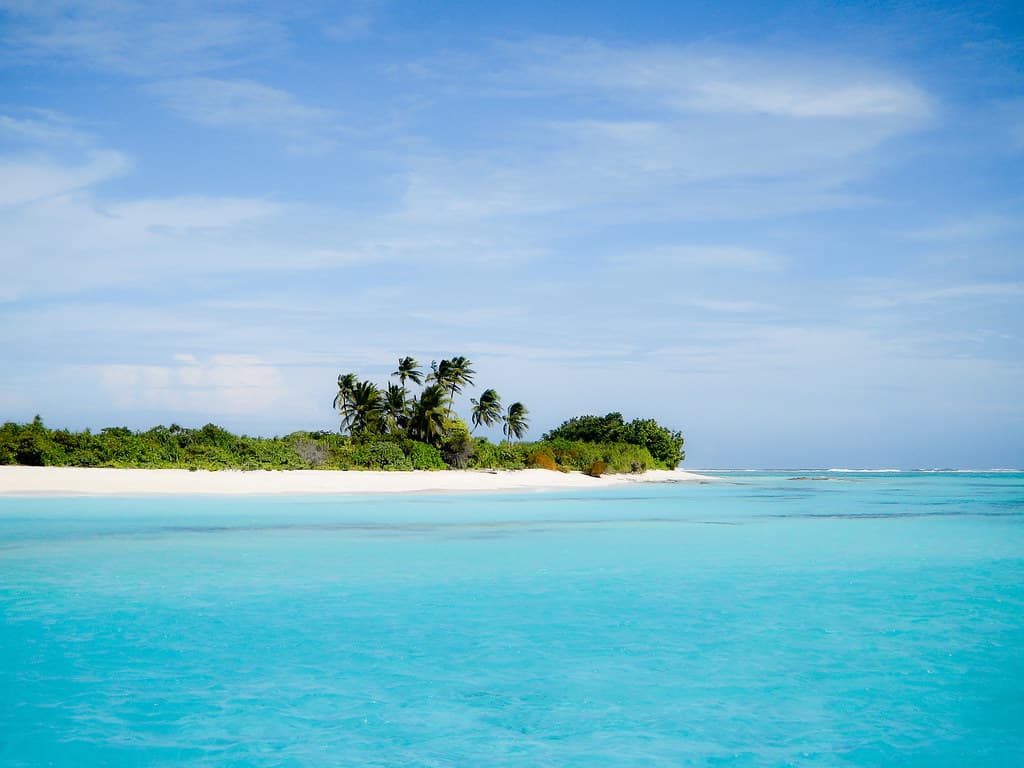
The four-wheel-drive track through Byfield National Park feels like a threshold crossing, each kilometer of corrugated sand pulling you further from sealed roads and cellular towers. When the vehicle-width trail finally delivers you to Five Rocks Beach, the Pacific sprawls before you in moods that shift hourly—turquoise and placid at dawn, slate-gray and muscular by afternoon. The five volcanic sea stacks that give this beach its name rise like sentinels offshore, their basalt shoulders draped in seabird guano and salt spray.
Dunes ripple inland in tawny waves, stabilized by spinifex and coastal she-oak. You'll share this five-kilometer crescent with your dog, the occasional fishing enthusiast, and perhaps one other traveler who bothered to air down their tires. The surf here carries real weight—chest-high sets rolling in from deep water, breaking over submerged reef shelves with a bass-note thump you feel in your sternum.
 Credit: Unsplash
people on beach during daytime
 Credit: Unsplash
green trees on mountain near body of water during daytime
Powerful peaks near offshore stacks
Climb spinifex-crowned sand ridges
Silhouettes against pink-streaked skies
Where it is
Five Rocks Beach
Byfield National Park, Queensland, Australia
-22.773420°, 150.808840°
Weather
Loading…
Swell
—
Temp
Warm · Restorative
UV Index
Moderate
Wind
—
Tidal State
Last known
Max Sunlight
—
Ideal Shade
—
May - Sep (Peak)
Jan - Dec (Off-season)
Historical data suggests peak visibility and stable sea temperatures occur during the prime visitation window.
Select a category to load nearby places.
Unlock restaurants, luxury stays and curated maritime experiences within 2km
Five Rocks Beach is remote and unpatrolled, so swimming requires caution. The beach can experience strong currents, rips, and powerful surf, particularly during high tide or after storms. There are no lifeguards or safety flags. Swim only if you're a confident ocean swimmer, always stay within your depth, and never swim alone. The beach is better suited for wading, beachcombing, and surfing for experienced riders. Always check conditions before entering the water and tell someone your plans when visiting this isolated location.
Five Rocks Beach can be visited year-round, though each season offers different experiences. Winter (June-August) brings cooler, drier weather ideal for walking and photography, with temperatures around 20-25°C. Summer (December-February) is warmer but more humid with occasional rain. The shoulder seasons (April-May, September-November) offer pleasant conditions with fewer visitors. Low tide is best for exploring rock pools and the full beach expanse. Early mornings provide the calmest conditions and best light for capturing the dramatic sea stacks and coastal scenery.
Five Rocks Beach is accessed via unsealed roads through Byfield National Park, requiring a 4WD vehicle. From Yeppoon, drive north through Byfield township, then follow Nine Mile Road and connect to coastal tracks leading to the beach. The final approach involves driving on beach sand, which is only advisable at low tide and with appropriate 4WD experience. Parking is informal on stable ground above the high-tide line. Check tide times before departure, carry recovery equipment, and lower tyre pressure for beach driving. Conventional vehicles cannot safely access this beach.
Five Rocks Beach has no facilities whatsoever—no toilets, showers, bins, or picnic areas. You must bring all food, water, and supplies, and take all rubbish with you. The nearest services are in Byfield village (basic supplies) or Yeppoon (full services), both requiring significant travel time. Accommodation options include camping at designated campgrounds within Byfield National Park, though these require advance booking and are not beachfront. Some visitors stay in Yeppoon and make Five Rocks Beach a day trip, ensuring they return before tide changes block beach access.
Dogs are generally not permitted in Queensland National Parks, including Byfield National Park where Five Rocks Beach is located. However, access routes may cross some areas with different regulations. Always check current Queensland Parks and Wildlife Service regulations before visiting, as rules can vary and penalties apply for violations. If you're planning to bring a dog, contact park authorities directly for clarification on specific zones. Alternative dog-friendly beaches exist along the Capricorn Coast, though they won't offer the same remote wilderness experience as Five Rocks Beach.
Photos