
The track down to Currumbin Beach cuts through lawyer vine and fan palms, depositing you onto a crescent of sand where the world's oldest tropical rainforest—135 million years and counting—meets reef-fringed shallows. You're standing at the only place on the planet where two UNESCO World Heritage sites converge: the Daintree and the Great Barrier Reef. Most mornings, you'll share the shore with nothing but a few wading herons and the occasional southern cassowary foraging along the forest edge.
“The only accessible beach globally where ancient rainforest canopy extends to the high-tide line above living coral reef systems.”
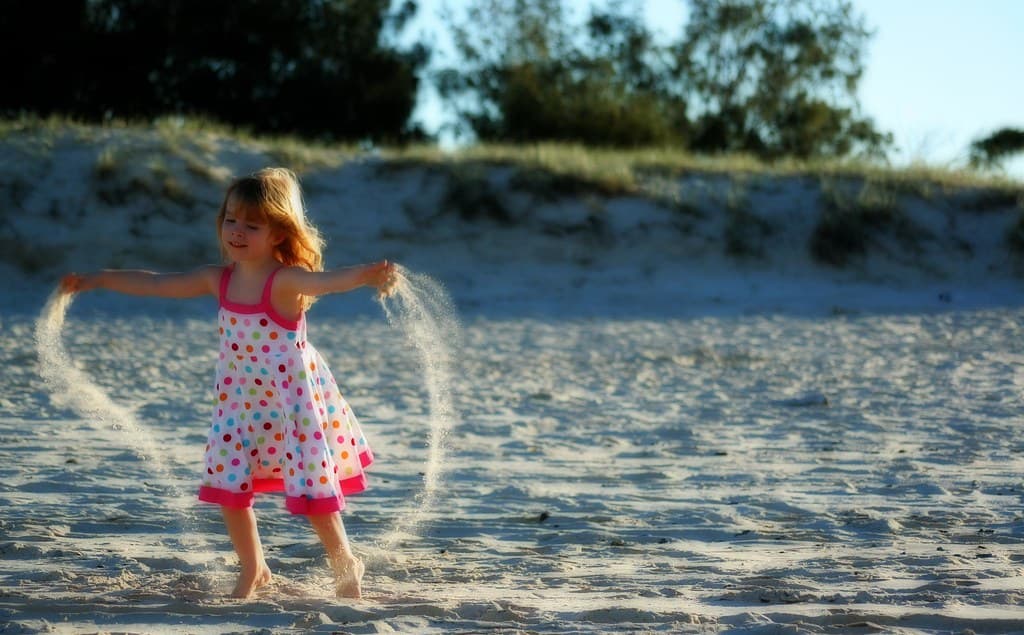 Credit: Flickr
You see sand, I see fairy dust
The beach curves north toward Cape Tribulation's headland, framed by Melaleuca trees whose papery bark peels in the salt air. At low tide, volcanic rock platforms emerge, dotted with anemones and small octopuses hunting in the shallows. The water here runs warmer than you'd expect—26 degrees Celsius even in winter—though box jellyfish season (November through May) requires a stinger suit.
There are no cafés, no umbrella rentals, no lifeguard towers. Just a small wooden sign marking the trailhead and a single picnic table under the she-oaks. You'll need to pack everything in and pack it out, but that's precisely why the sand remains unmarked by footprints most afternoons. When you do encounter another soul, it's usually a researcher from the nearby field station or a local who drove the twenty-minute washboard road from the Cape Trib township.


