
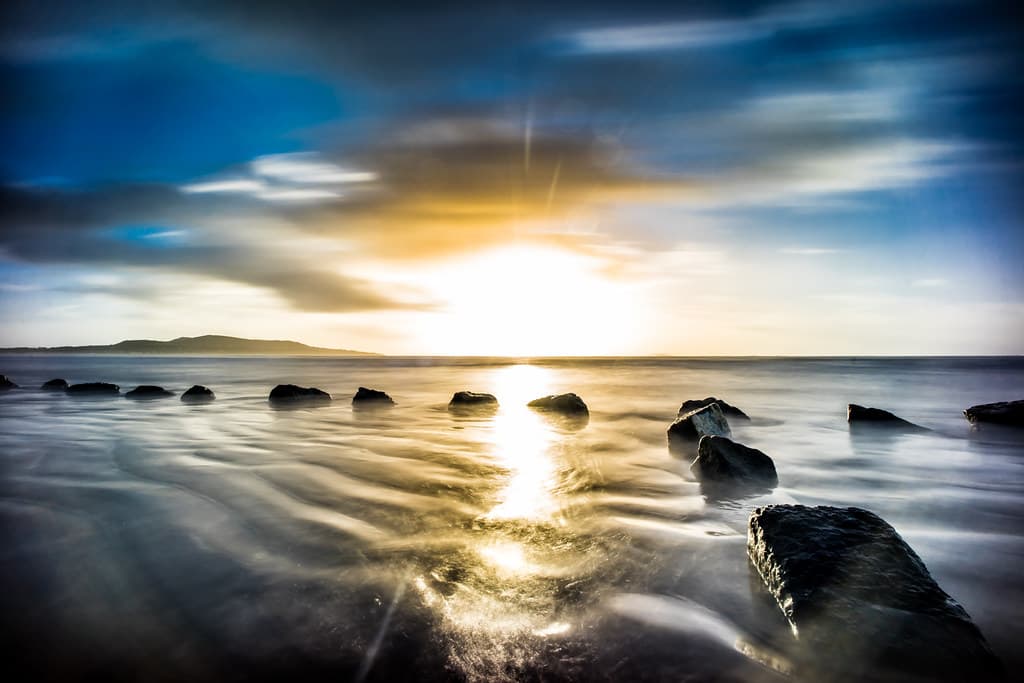
Clontarf unfolds along a gentle crescent where Hornibrook Esplanade meets Moreton Bay, fifteen minutes north of Brisbane's CBD. The beach itself is more mudflat than surf break—tidal rhythms dictate when you'll actually swim versus when you'll watch wading birds pick through exposed sand. Families arrive with eskies and shade tents, claiming spots beneath the towering Norfolk Island pines that line the foreshore parkland. The scent of barbecued onions drifts from the free electric grills most afternoons.
“A tidal beach where Brisbane's northside comes to sync their weekends with the Moreton Bay tide tables rather than the surf report.”
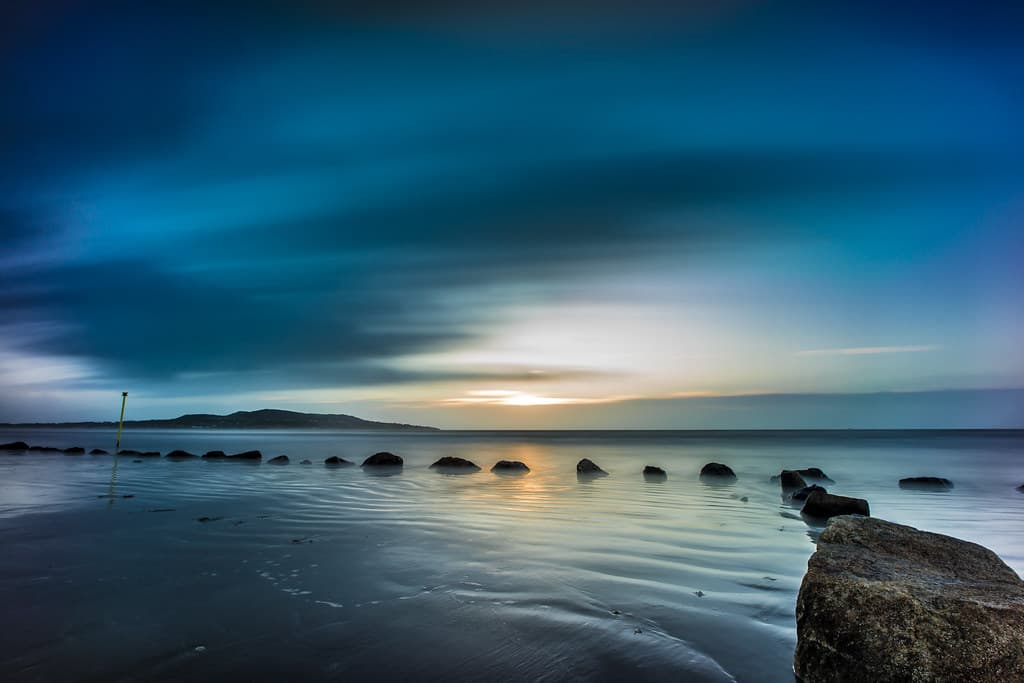 Credit: Flickr
Sunrise in Bull Island, Dublin, Ireland
This is a beach built for routine rather than spectacle. Locals time their visits around the tide charts pinned to cafe noticeboards, knowing the narrow window when the bay fills enough for a proper swim. The Wynnum-Manly Esplanade Bikeway runs the entire length, bringing cyclists and joggers in steady rhythm from dawn onward. You'll share the sand with dog walkers and retirees doing their constitutional laps, punctuated by the occasional kite-surfer when the easterlies pick up.
Sunset delivers Clontarf's standout moment. The western sky ignites in apricot and violet, silhouetting the palms and pines while the glassy bay reflects every gradient. Couples spread picnic rugs on the grassed reserve just above the sand. It's unpretentious, deeply functional, and woven into the weekly cadence of a city that values its easy relationship with tidal saltwater.


