Counting the waves…
Counting the waves…
A refined fusion of water purity, environmental stability, and communal vibrancy for Normanby Island Beach.
View MethodologyAnalyzed via live sensors and environmental data.
Wave height, wind, and atmospheric stability.
Live footfall and crowd balance metrics.
Community reviews and curated sentiment.
“Step off the catamaran onto powdered coral sand so fine it squeaks beneath your feet. The reef platform begins thirty meters from shore, close enough to snorkel from the beach without a guide. Between November and May,…”
Limited recent visitor reports — live OBI telemetry is your best guide for current conditions.
Normanby Island sits within a national park eighteen kilometers south of Cairns, surrounded by lagoons that shift from turquoise to cobalt depending on the tide. You arrive by catamaran—most day-trip operators depart from Deeral, a cane-farming hamlet few tourists know by name—and anchor in water shallow enough to see parrotfish nipping at staghorn coral below the hull. The beach itself runs barely two hundred meters, bordered by she-oak trees that hiss in the trade winds.
The reef here is unusually accessible. No long swim through murky water, no zodiac shuttle. You wade in from the sand, mask on, and within a minute you're hovering over bommies thick with clownfish and blue tangs. The visibility averages twenty meters year-round, and the sheltered western exposure keeps the water calm even when the Coral Sea churns. Between snorkeling sessions, the island offers little more than sand, shade, and the rhythmic thud of coconuts dropping from palms—a deliberate absence of distraction.
 Credit: Unsplash
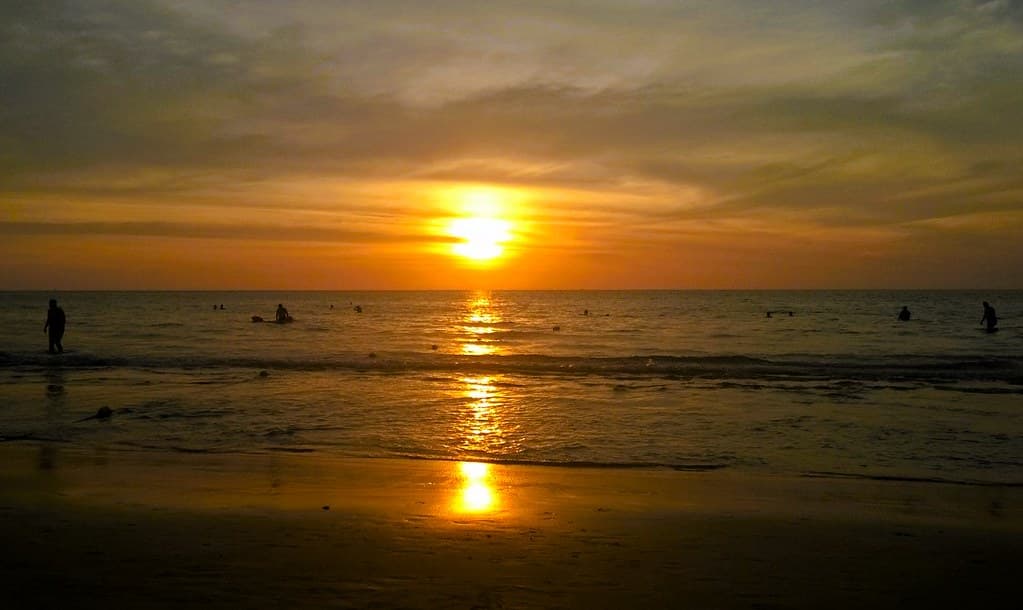
people on beach during daytime
 Credit: Unsplash
green trees on mountain near body of water during daytime
Bommies thirty meters from sand
Knee-deep flats at low tide
November through May, dawn only
Where it is
Normanby Island Beach
Frankland Islands, Queensland, Australia
-17.014800°, 146.062600°
Weather
Loading…
Swell
—
Temp
Warm · Restorative
UV Index
Moderate
Wind
—
Tidal State
Last known
Max Sunlight
—
Ideal Shade
—
May - Sep (Peak)
Jan - Dec (Off-season)
Historical data suggests peak visibility and stable sea temperatures occur during the prime visitation window.
Select a category to load nearby places.
Unlock restaurants, luxury stays and curated maritime experiences within 2km
Swimming conditions at Normanby Island Beach are generally excellent, with calm, protected waters ideal for families. However, marine stingers (jellyfish) are present in tropical North Queensland waters, particularly from November to May. Visitors should wear stinger suits during these months, which tour operators typically provide. The beach features pristine white sand and clear, shallow waters perfect for wading and snorkeling. Always swim near your tour group, follow operator guidelines, and be mindful of tides. The Frankland Islands are part of the Great Barrier Reef Marine Park, offering safe, supervised swimming experiences.
Normanby Island Beach can be visited year-round, with each season offering distinct advantages. The dry season (May to October) features sunny skies, lower humidity, and calm seas, making it ideal for snorkeling with excellent underwater visibility. Water temperatures remain comfortable at 23-29°C throughout the year. The wet season (November to April) brings warmer water and occasional tropical showers, but also marine stingers requiring protective clothing. For optimal conditions, visit between June and September when weather is most predictable and ocean clarity peaks, though tour operators run trips daily regardless of season.
Normanby Island Beach is accessible only by boat, as the Frankland Islands are uninhabited and protected. Day-trip tours depart from Deeral, south of Cairns (approximately 45 minutes' drive), or directly from Cairns Marina. The boat journey takes 60-90 minutes depending on departure point. Most visitors book organized tours through operators like Frankland Islands Cruise and Dive, which include transfers from Cairns accommodation, equipment, and guided experiences. There is no public ferry service or private boat landing permitted without permits. Parking is available at mainland departure points for self-drive visitors.
Normanby Island is completely uninhabited with no permanent facilities, restaurants, or accommodation. Day-trip operators provide all necessary amenities including picnic lunches, drinking water, snorkeling equipment, and temporary shade structures. Tours typically include buffet-style meals served on the beach or aboard vessels. Basic toilet facilities are provided by tour boats. Visitors must bring everything needed for the day, including sun protection, reef-safe sunscreen, and any personal items. There are no shops, cafes, or overnight lodging options. The island remains pristine and undeveloped as part of the Great Barrier Reef Marine Park.
Normanby Island offers exceptional snorkeling directly from the beach, with fringing coral reefs just meters from shore—a rarity in the Great Barrier Reef region. Unlike outer reef pontoons, you can walk straight into pristine coral gardens teeming with tropical fish, sea turtles, and vibrant marine life without needing boats or deep-water access. The shallow, protected lagoons make it ideal for beginner snorkelers and families. The island's location within the Frankland Islands National Park ensures uncrowded experiences with fewer daily visitors compared to more popular reef destinations, offering an intimate, wilderness encounter with the Great Barrier Reef.
Photos