

The track from Fisherman's Beach winds through spotted gum and wattle, the air thick with salt and eucalyptus, before the forest peels back to reveal Leekes Beach stretching in both directions. At four kilometers, it dwarfs every other strand on Great Keppel—a sweep of bone-white sand fringed by she-oak trees that lean inland from decades of prevailing winds. The water here glows turquoise in the shallows, deepening to cobalt where the continental shelf drops away beyond the reef.
“Great Keppel's longest uninterrupted shoreline offers the rare commodity of true solitude on a developed island.”
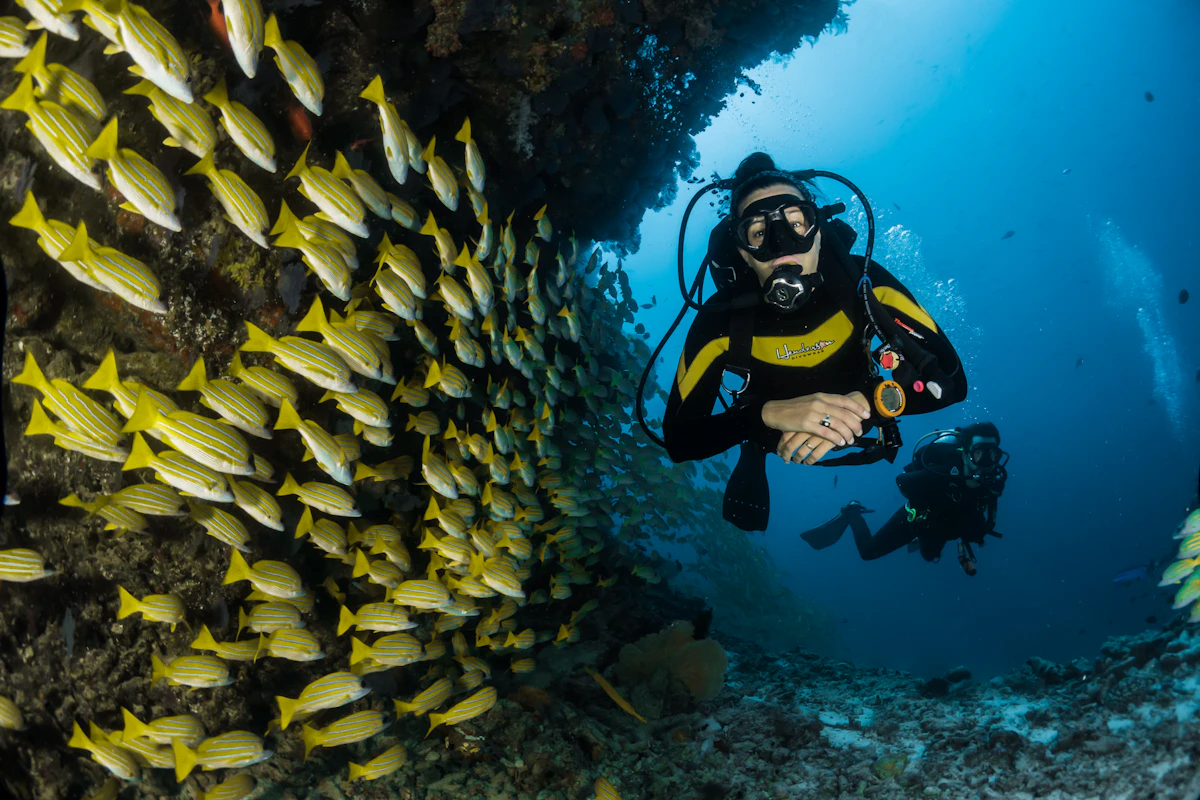 Credit: Unsplash
Palm trees framing a sunset shore
You'll have whole sections to yourself even in peak season. Scan the tideline and you'll spot nautilus shells, purple sea urchin tests, and the occasional blue sailor jellyfish stranded by overnight tides. The northern end curves toward rocky headlands where Pacific reef egrets stalk the shallows at low tide. Midday heat radiates off the sand with enough intensity to send you beneath the paperbarks, where the temperature drops ten degrees and ground parrots rustle in the leaf litter.
The isolation here feels earned rather than manufactured. No beach clubs, no jet skis, no day-trip catamarans anchored offshore—just the crunch of coral fragments underfoot and the occasional yacht ghosting past on its way to Halfway Island. Pack everything in and everything out; the nearest tap is back at the main settlement, and the only shade comes from trees that have been bending to the same sea breeze since before the resort era began.


