
Hook Island rises from the Whitsunday Passage like a green fist, its flanks steep and forested, its bays fewer and wilder than neighbouring resorts. Crayfish Beach occupies a narrow crescent on the island's eastern flank, sheltered by granite bluffs that hold the morning light and keep the Coral Sea swell at bay. The sand is coarse, shell-flecked, the kind that squeaks underfoot. Behind you, scribbly gums lean over a slim margin of shade; ahead, the reef begins barely ten strokes from shore.
“One of the Whitsundays' few mainland-free beaches where the reef begins at the high-tide line and forest canopy meets coral in a single unbroken gradient.”
 Credit: Flickr
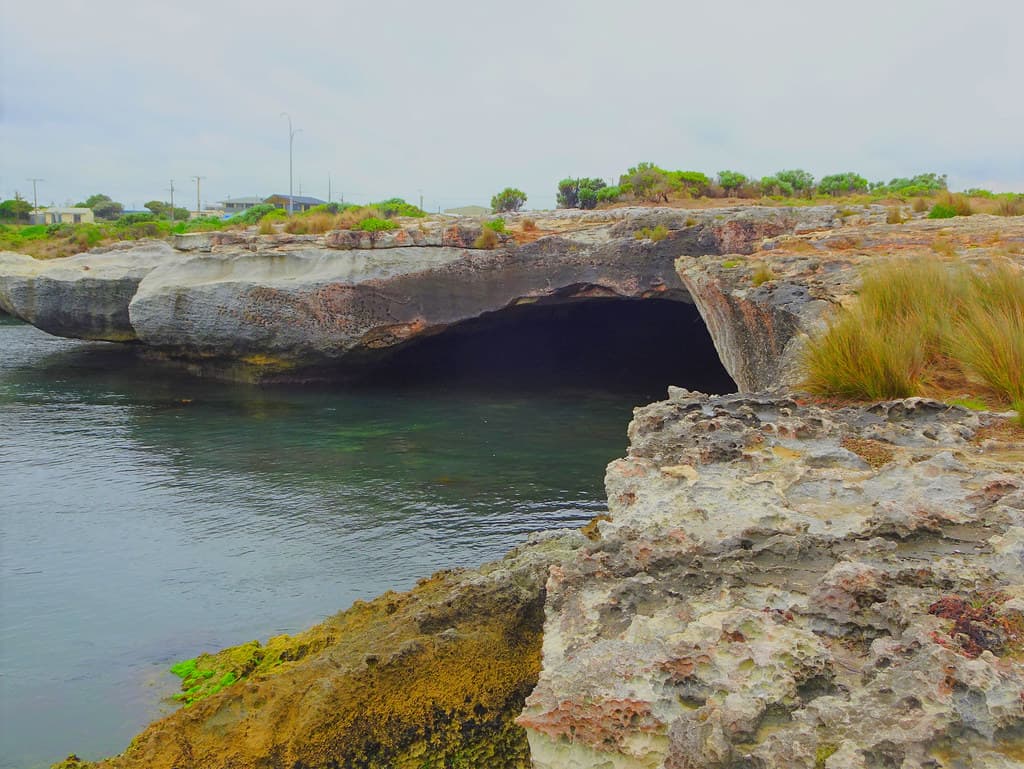
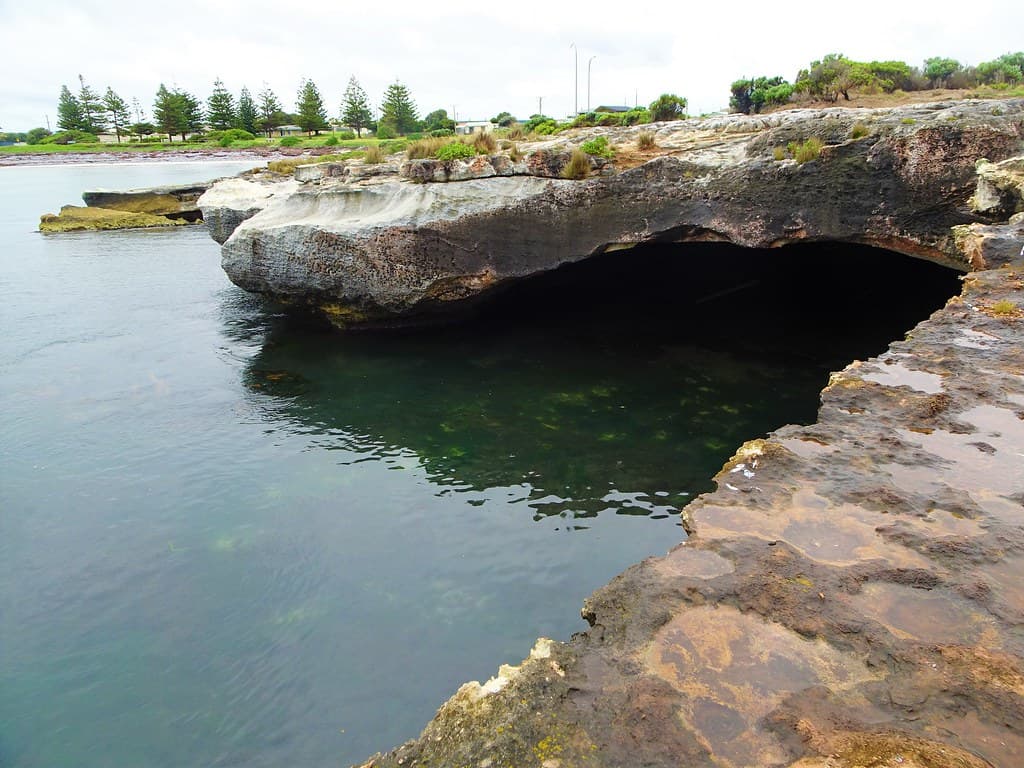
Blackfellow Caves. A small coastal town near Carpenter Rocks SA. Ocean eroded limestone caves under cutting the land.
You'll snorkel here without needing a guide—visibility runs eight to fifteen metres on calm days, and the coral gardens spread across shallow platforms punctuated by deeper channels. Staghorn and brain coral anchor the seabed; blue tangs, angelfish, and butterflyfish weave through. Turtles are common, grazing on seagrass beds just beyond the drop-off, indifferent to your presence. The water temperature hovers around twenty-four degrees Celsius year-round, warm enough to skip the wetsuit in summer.
No jetty, no kiosk, no lifeguard tower. Crayfish Beach exists in the margins—visited by day-charter boats from Airlie Beach or private yachts anchoring in the bay. You'll share the sand with a handful of others at most, and by late afternoon, when the tenders depart, the beach returns to the goannas and the tide.


