
Counting the waves…
Counting the waves…
A refined fusion of water purity, environmental stability, and communal vibrancy for Cumberland Beach.
View MethodologyAnalyzed via live sensors and environmental data.
Wave height, wind, and atmospheric stability.
Live footfall and crowd balance metrics.
Community reviews and curated sentiment.
“You reach Cumberland Beach by crossing Lizard Island on foot—no roads, just worn trails through she-oak thickets. The sand here squeaks underfoot, compressed coral fragments that yield to heel prints and outgoing tide.…”
Limited recent visitor reports — live OBI telemetry is your best guide for current conditions.
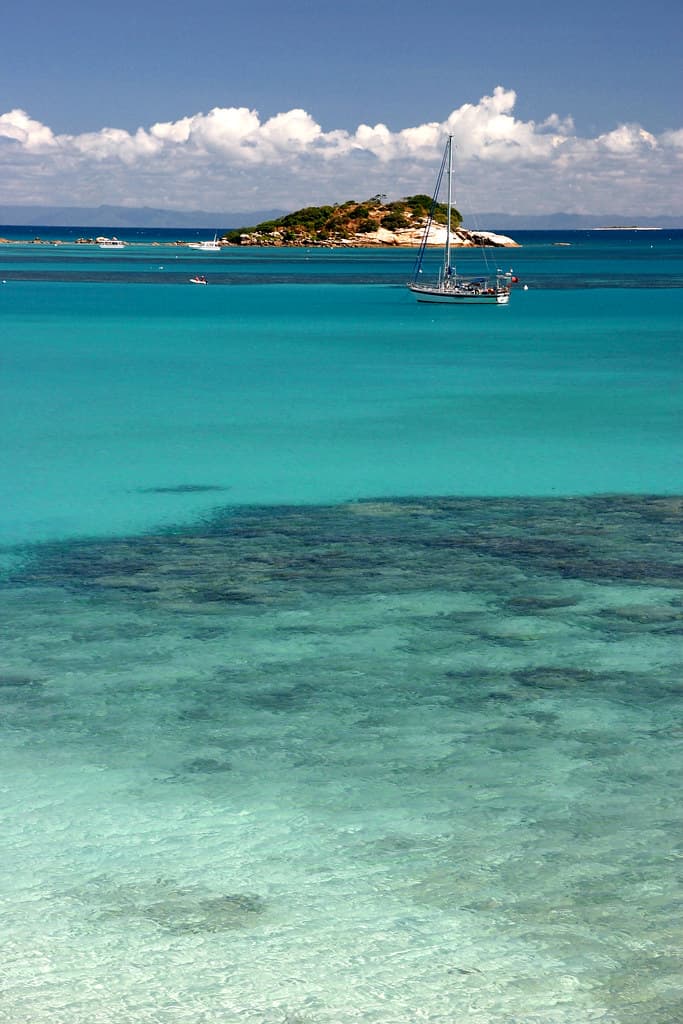
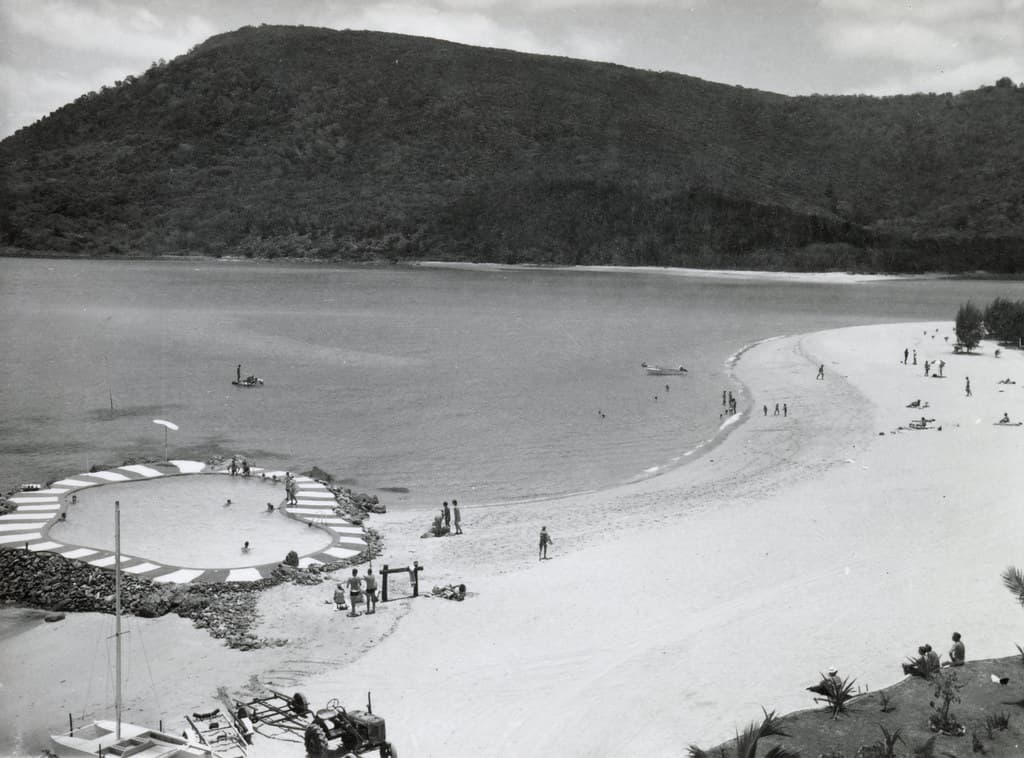
Cumberland Beach occupies the western shoulder of Lizard Island, a 2.5-square-mile granite outcrop twenty-seven kilometers off the Queensland coast. The approach reveals a crescent of near-white sand bookended by ochre boulders, the kind rounded smooth by millennia of cyclone swells. During the dry season—May through October—the prevailing southeasterlies barely touch this lee shore, leaving the shallows as still as bathwater by mid-morning.
Snorkeling here means finning over bommies that rise abruptly from sandy channels, their surfaces bristling with staghorn and table coral. Wrasse patrol the edges in electric blues and greens. Blacktip reef sharks cruise the drop-offs at dawn, disinterested in human limbs. You'll see more turtle shells than beach umbrellas; hawksbills glide past with the resigned patience of commuters.
Credit: FlickrDrift the Bommies
Credit: FlickrSummit Cook's Look
Morning brings clearest water visibility
360-degree reef views, moderate climb
Hermit crabs, nudibranchs at low
Where it is
Cumberland Beach
Lizard Island, Queensland, Australia
-14.687600°, 145.481900°
Weather
Loading…
Swell
—
Temp
Warm · Restorative
UV Index
Moderate
Wind
—
Tidal State
Last known
Max Sunlight
—
Ideal Shade
—
May - Sep (Peak)
Jan - Dec (Off-season)
Historical data suggests peak visibility and stable sea temperatures occur during the prime visitation window.
Select a category to load nearby places.
Unlock restaurants, luxury stays and curated maritime experiences within 2km
Cumberland Beach is generally safe for swimming and snorkeling in calm conditions, with protected waters and excellent visibility. The beach is sheltered from strong currents, making it suitable for most swimmers. However, always check conditions before entering the water, as weather can change quickly. Stinger suits are recommended during jellyfish season (November to May). The fringing reef offers exceptional snorkeling with giant clams, turtles, and vibrant coral formations. Always snorkel with a buddy and be mindful of boat traffic in the area.
Cumberland Beach can be enjoyed year-round, though each season offers different advantages. The dry season (May to October) provides calm seas, lower humidity, and excellent visibility for snorkeling, with temperatures around 20-28°C. The wet season (November to April) brings warmer waters and occasional tropical showers, but also jellyfish season requiring protective clothing. Water temperatures remain pleasant year-round (24-29°C). For optimal snorkeling conditions and comfortable weather, visit between May and September when trade winds are gentler.
Cumberland Beach is accessible only via Lizard Island, one of Queensland's most remote destinations. Visitors must fly from Cairns to Lizard Island Airport (approximately 60 minutes), operated by specific charter services or with Lizard Island Resort transfers. From the resort area, the beach is reachable by a short walk or boat. There are no roads or parking facilities as the island is vehicle-free. Most visitors stay at the exclusive Lizard Island Resort, which arranges all transfers and beach access.
Cumberland Beach has no facilities directly on-site, as it's a pristine natural beach. The exclusive Lizard Island Resort is the only accommodation option on the island, offering luxury villas and full dining services. The resort provides beach picnics, refreshments, and snorkeling equipment for guests exploring Cumberland Beach. There are no shops, cafes, or public amenities, so visitors should bring water, sun protection, and snacks if planning extended beach time. Resort guests have full access to dining venues and bars back at the main property.
Yes, Cumberland Beach is renowned for its giant clam gardens, making it one of the best locations in the Great Barrier Reef to observe these remarkable creatures. The shallow waters near the fringing reef host numerous giant clams in vibrant blues, greens, and purples, some over a meter wide. Snorkelers can easily view them in just a few meters of water without scuba equipment. These ancient mollusks are a protected species, so observation only is permitted. The clam gardens are best viewed during low tide when visibility is optimal.
Photos