

Miami Beach sits quiet and functional between the glitter of Burleigh Heads and the neon sprawl to the north, a three-kilometre ribbon of coarse sand backed by weathered she-oaks and a single-lane esplanade. You park under the pines, cross the grass reserve where kookaburras argue in the branches, and step onto a beach that refuses to perform. The sand is khaki, not white. The water runs jade-green most days. But the waves roll in with metronomic reliability, peeling left over a forgiving sandy bottom that lets you work on your cutback without risking your board or your confidence.
“A reliable, uncrowded surf break insulated from Gold Coast tourism by sheer ordinariness, where locals surf without performance anxiety.”
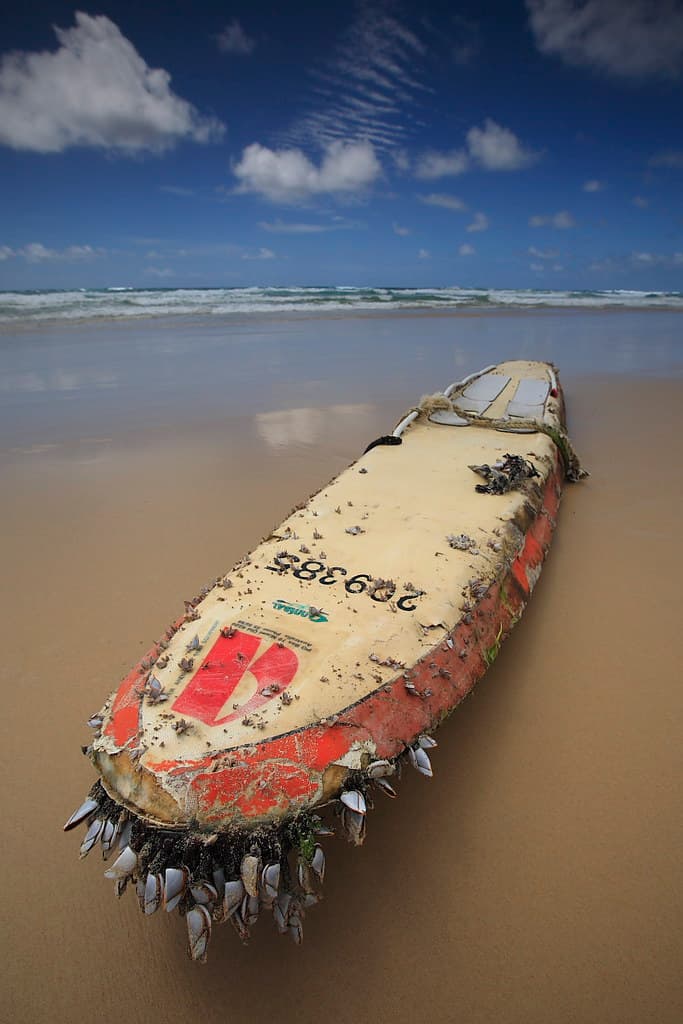 Credit: Flickr
Washed ashore
The locals treat this stretch like a workshop, not a postcard. Dawn patrols gather near the Miami SLSC flags, trading nods and checking the swell while joggers trace the tide line and retirees walk cattle dogs through the shallows. By midmorning the families claim the calmer northern end, spreading shade tents and burying toddlers in sand while the surf crew holds court at the breaks. There's a single kiosk, a handful of picnic tables, and bathrooms that smell of salt and Dettol—nothing curated, nothing Instagram-optimized.
What Miami Beach offers is honest access: year-round swells that don't demand expert timing, parking that doesn't require a second mortgage, and enough space that you can still find solitude on a Saturday. The Gold Coast's famous beaches pull the tourist tide north and south, leaving this middle stretch to the people who actually live here, who know that sometimes the best waves are the ones you don't have to fight a crowd to catch.


