
You arrive by tender or charter, the mainland shrinking behind you as the boat cuts through water so clear you can count the fish below. Snapper Island emerges as a low, forested bump ringed by blonde sand and fringing reef. There's no jetty, no facilities, no sunbed concession—just a narrow beach that curves between mangroves and open water, empty except for the occasional reef heron.
“A boat-access-only island where the beach remains pristine precisely because it's beyond the reach of day-trippers on foot.”
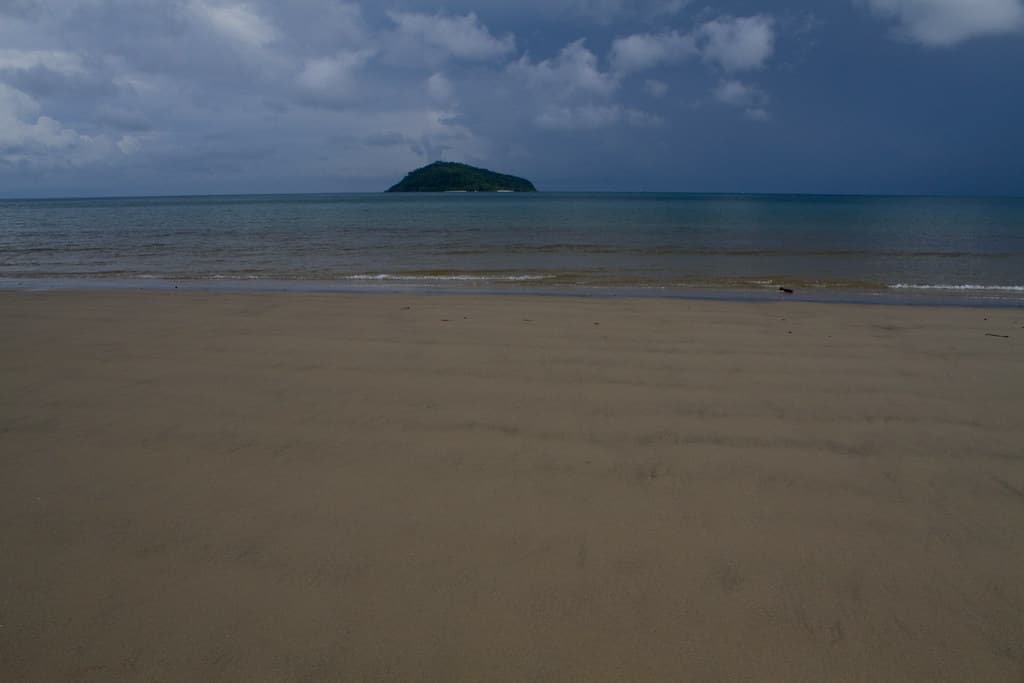 Credit: Flickr
View of snapper Island from Kimberley
The island's isolation is its currency. You wade ashore into ankle-deep shallows that stay bathwater-warm year-round, the kind of water that invites you to drift rather than swim. A walking track loops through the interior, where pandanus and beach she-oak filter the light into soft, dappled greens. The reef sits close enough to snorkel straight from the sand, turtle grass swaying over bommes of coral where parrotfish graze and small reef sharks cruise the drop-off.
Most visitors come on half-day charters that time their arrival for slack tide, when the current eases and visibility peaks. But if you negotiate a private drop-off, you'll have hours to claim a patch of shade beneath the casuarinas, crack open a thermos of something cold, and watch the light shift across the Coral Sea without another soul in sight. The return journey feels like re-entry.


