
The drive into Port Stewart follows red dirt tracks that wind through scrub and eucalypt, opening suddenly onto a bay so still it mirrors the sky. You park beside a weathered boat ramp, and the beach unfolds in a long, gentle curve—ochre sand stippled with tidal pools, ribbons of seagrass drying in the sun, fragments of shell worn smooth by the Gulf's patient currents. The water here is shallow and warm, the colour of weak tea steeped with tannins from upstream mangroves.
“One of the Gulf Coast's few accessible beaches where international migratory shorebirds stop mid-journey, creating a living calendar of the flyway.”
 Credit: Flickr
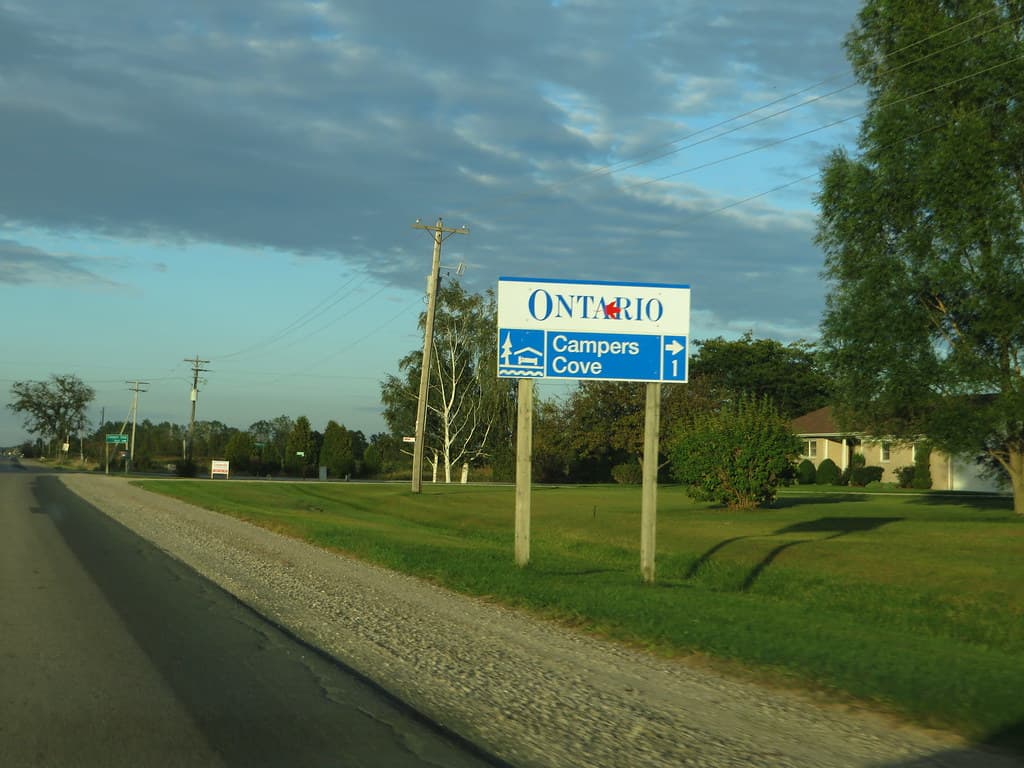
Campers Cove, Chatham-Kent, Ontario
Birdwatchers arrive at dawn with binoculars and notebooks, scanning the mudflats for eastern curlews and bar-tailed godwits resting between epic migrations. You'll see their tracks stitched across the sand—delicate, purposeful—alongside your own. The bay itself feels caught between worlds: neither fully land nor sea, but a liminal zone where the tides dictate everything and time moves differently.
There are no cafés, no lifeguard towers, no beach umbrellas planted in rows. What you get instead is space—to wade knee-deep at low tide, to watch clouds build over the water, to sit on driftwood bleached silver by salt and sun. By late afternoon, the light turns golden, pooling in the shallows, and you understand why some beaches don't need amenities to feel complete.


