Counting the waves…
Counting the waves…
A refined fusion of water purity, environmental stability, and communal vibrancy for Pulu Island Beach.
View MethodologyAnalyzed via live sensors and environmental data.
Wave height, wind, and atmospheric stability.
Live footfall and crowd balance metrics.
Community reviews and curated sentiment.
“Pulu Island Beach lies 150 kilometers north of Cape York, where the Coral Sea meets the Arafura. You'll scan turquoise shallows for sea turtles surfacing between breaths, feel trade winds press against your skin, and…”
Limited recent visitor reports — live OBI telemetry is your best guide for current conditions.
You arrive by small charter plane or overnight ferry, touching down on an island where dirt tracks outnumber paved roads and the nearest ATM is two islands away. The beach stretches in a gentle arc along Pulu's eastern shore, its sand the color of ground ginger, studded with fragments of coral rubbed smooth by decades of tide. Behind you, pandanus palms lean at improbable angles, their roots exposed where cyclones have chewed away the dune.
Wade into the shallows at low tide and the bottom reveals itself in patches—seagrass beds where dugongs come to feed at dawn, coral bommies rising like submerged cathedrals, channels of white sand that glow aquamarine under the midday sun. The water temperature hovers near 28°C year-round, warm enough that you forget you're wearing skin. Overhead, frigatebirds and Torres Strait pigeons trace invisible thermals, their calls mingling with the rhythmic exhale of small waves.
 Credit: Unsplash
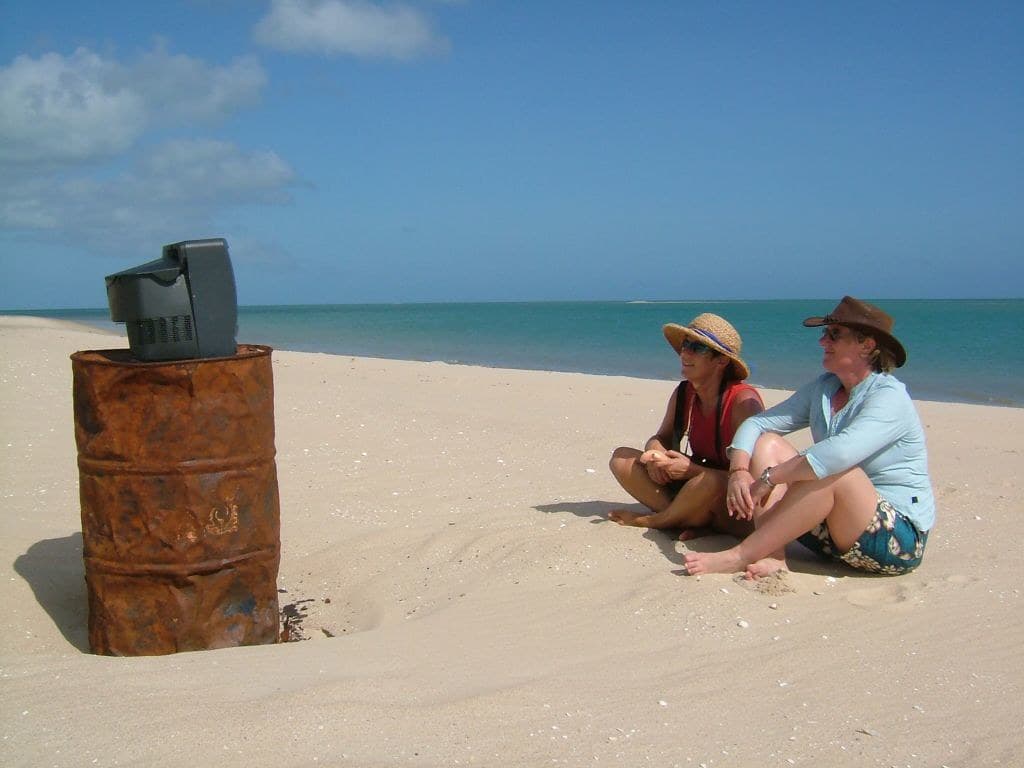
people on beach during daytime
 Credit: Unsplash
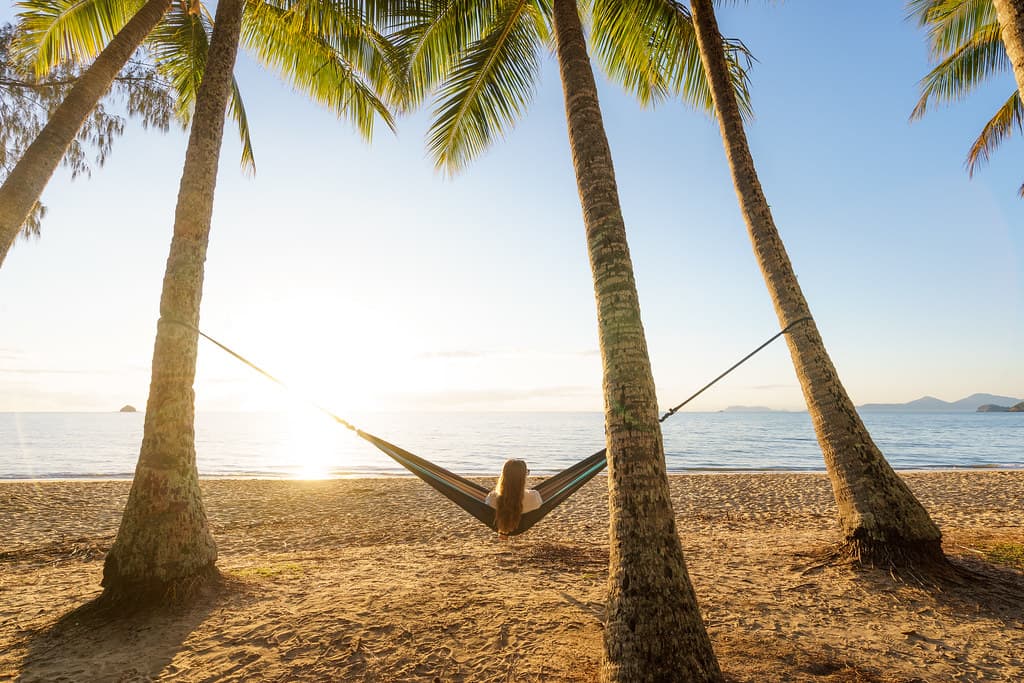
green trees on mountain near body of water during daytime
Dawn low tides in shallows
Coral heads at high tide
Midday thermals, long lens essential
Where it is
Pulu Island Beach
Pulu Island, Queensland, Australia
-10.257500°, 142.535000°
Weather
Loading…
Swell
—
Temp
Warm · Restorative
UV Index
Moderate
Wind
—
Tidal State
Last known
Max Sunlight
—
Ideal Shade
—
May - Sep (Peak)
Jan - Dec (Off-season)
Historical data suggests peak visibility and stable sea temperatures occur during the prime visitation window.
Select a category to load nearby places.
Unlock restaurants, luxury stays and curated maritime experiences within 2km
Swimming conditions at remote Queensland island beaches can vary significantly with tides, currents, and marine life. Since Pulu Island Beach is an undeveloped, remote location without lifeguard patrols or stinger nets, swimmers should exercise caution. Check local conditions before entering the water, be aware of tidal movements, and consider wearing protective clothing during stinger season (November to May). Always swim with a companion and stay close to shore. Consult with your tour operator or local authorities about current conditions before swimming.
Pulu Island Beach can be visited year-round, though each season offers different experiences. The dry season (May to October) typically provides calmer seas, lower humidity, and better visibility for wildlife viewing. The wet season (November to April) brings lush landscapes but also marine stingers, rougher conditions, and possible tour cancellations due to weather. For optimal weather and water conditions, plan your visit during the shoulder months of April-May or September-October when temperatures are pleasant and crowds are minimal.
Pulu Island is a remote location accessible only by boat or charter flight, as there are no bridges or regular ferry services to most small Queensland islands. Access typically requires arranging private boat charters, joining organized tours, or hiring water taxis from the nearest mainland departure point. There is no parking available on the island itself. Contact local tour operators or marine charter services from nearby coastal towns to arrange transportation. Always confirm departure times, weather conditions, and return transfers before your journey.
As a remote beach location, Pulu Island likely has minimal to no permanent facilities, amenities, or dining options. Visitors should plan accordingly by bringing all necessary supplies including food, water, sun protection, and safety equipment. Accommodation options are typically limited on small, undeveloped Queensland islands, so most visitors come as day-trippers. Check with local tour operators about what facilities, if any, exist on the island. Always pack out all rubbish and practice Leave No Trace principles to preserve this pristine environment.
Remote Queensland island beaches often provide exceptional wildlife viewing opportunities including seabirds, sea turtles during nesting season (November to March), and various marine life in surrounding waters. Depending on the island's ecosystem, you may encounter migratory shorebirds, reef fish, and possibly dolphins or dugongs in nearby waters. Bring binoculars for birdwatching and snorkeling gear if conditions permit. Always observe wildlife from a respectful distance and never disturb nesting sites or marine creatures. Your tour operator can provide specific information about seasonal wildlife activity.
Photos