
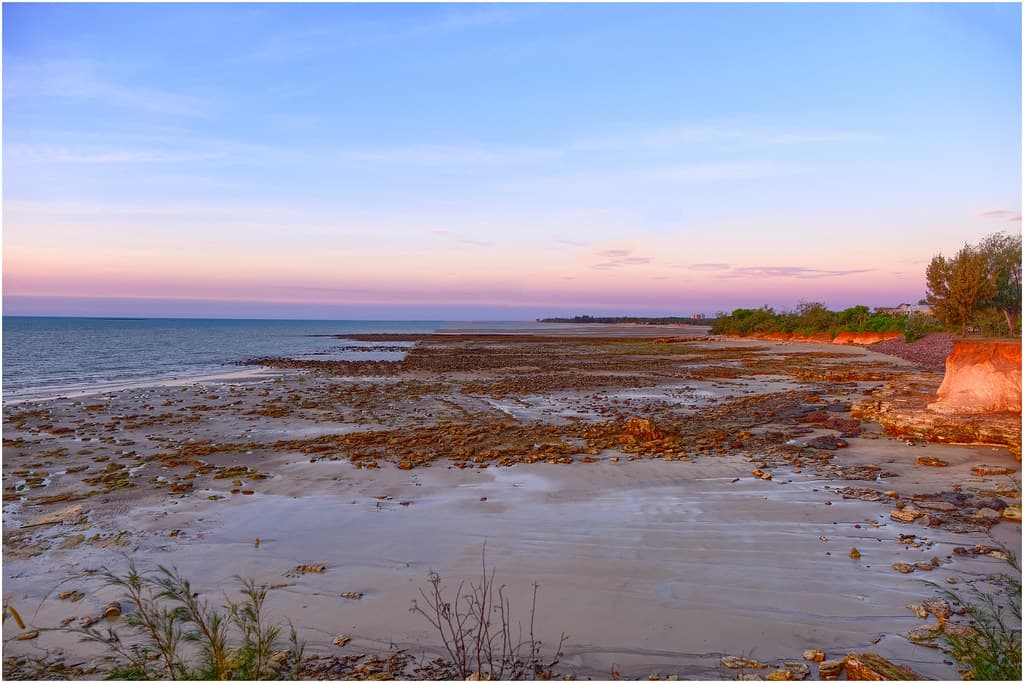
You'll find Shoal Point Beach tucked between the better-known stretches of Bucasia and Blacks Beach, a quiet northerner with its own postcode and rhythm. The sand here is pale and fine, compacted firm enough for long walks when the tide pulls back to reveal rippled flats that stretch toward the horizon. Paperbark trees line the foreshore, their white trunks catching the afternoon light, while the volcanic ridges of Mount Jukes rise to the south.
“It maintains its own coastal identity, resisting absorption into neighboring beaches with a distinct community feel and expansive low-tide flats.”
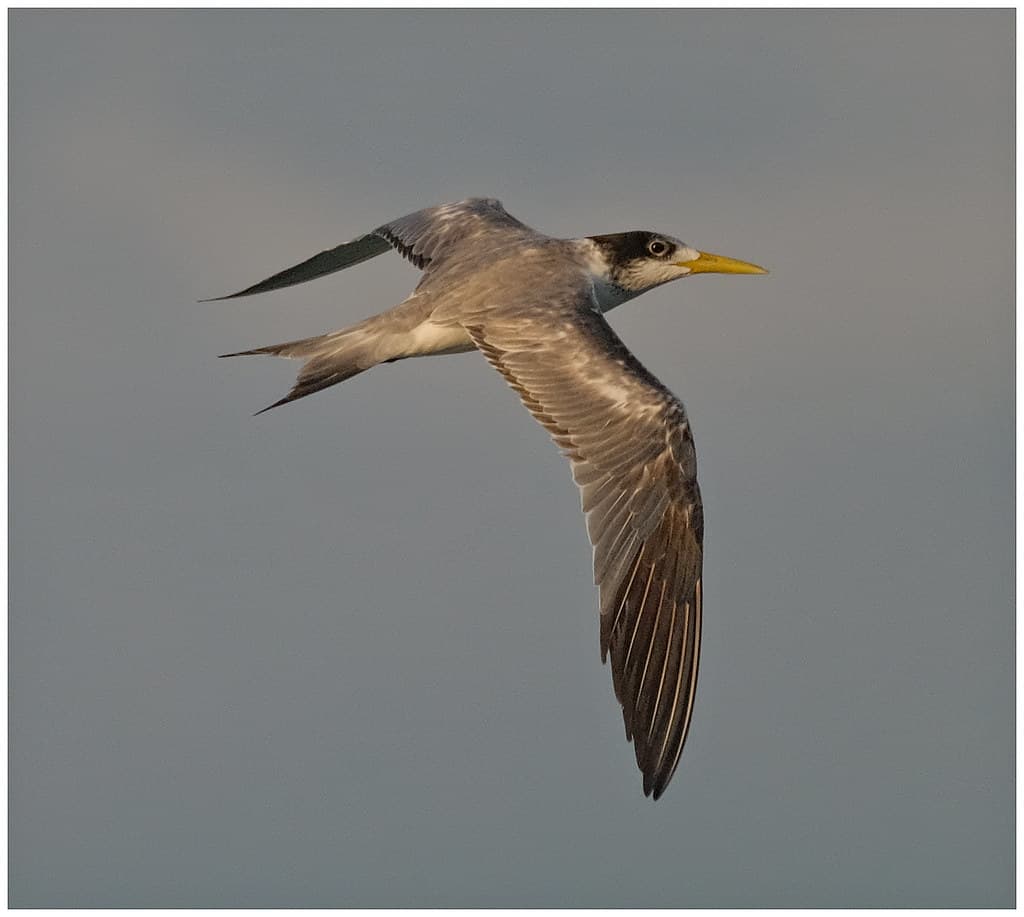 Credit: Flickr
Crested Tern (Thalasseus bergii) (40 – 50 centimetres) - Nightcliff, Darwin Harbour, Northern Territory, Australia
Low tide transforms the beach into a shallow lagoon peppered with rockpools—warm, ankle-deep basins where small fish dart and anemones cling to stone. Families arrive with buckets and nets; toddlers crouch over tide pools while older kids wade farther out. The water here is bathwater-warm in summer, cooler and bracing in the dry season, always lapping rather than crashing.
There's no commercial strip, no surf school marquee. A small reserve behind the beach offers picnic shelters and barbecue plates under the shade of she-oaks. You'll see regulars walking dogs at dawn, retirees casting lines from the rocks, and the occasional kite surfer when the southeast trades pick up. Shoal Point remains decidedly itself—a working beach for locals, a quiet reprieve for travelers who've grown weary of crowds.


