Counting the waves…
Counting the waves…
A refined fusion of water purity, environmental stability, and communal vibrancy for Svendsen Beach.
View MethodologyAnalyzed via live sensors and environmental data.
Wave height, wind, and atmospheric stability.
Live footfall and crowd balance metrics.
Community reviews and curated sentiment.
“The smell of salt and eucalyptus drifts over pale sand as you step off your tender into ankle-deep water so clear you count the ripples on the seafloor. No road noise, no jetty crowds—just the lap of tide and the creak…”
Limited recent visitor reports — live OBI telemetry is your best guide for current conditions.
You arrive on your own terms here—by tinny, charter cat, or a bareboat you've skippered from Great Keppel. The beach curves gently beneath casuarinas, its sand a fine beige dusted with broken coral. Step in and the water hugs your shins, warm and translucent, so still you can watch bream dart between bommies ten metres out. The lack of ferry traffic keeps the sand from churning; what you lose in convenience you gain in a visibility that holds even after a blow.
Mid-morning the anchorage fills with hatches clattering open, snorkel fins slapping decks, the hiss of gas stoves firing up bacon. By noon a handful of yachties wade ashore, esky handles cutting red lines into palms, and settle under the she-oaks for tinnies and cheese-and-Vegemite on Tip Top. The reef fringes the eastern point: brain coral, staghorn thickets, and enough sergeant majors to fill a primary school parade.
 Credit: Unsplash
A view of a beach with a city in the background
 Credit: Unsplash
a kangaroo standing on top of a lush green hillside next to the ocean
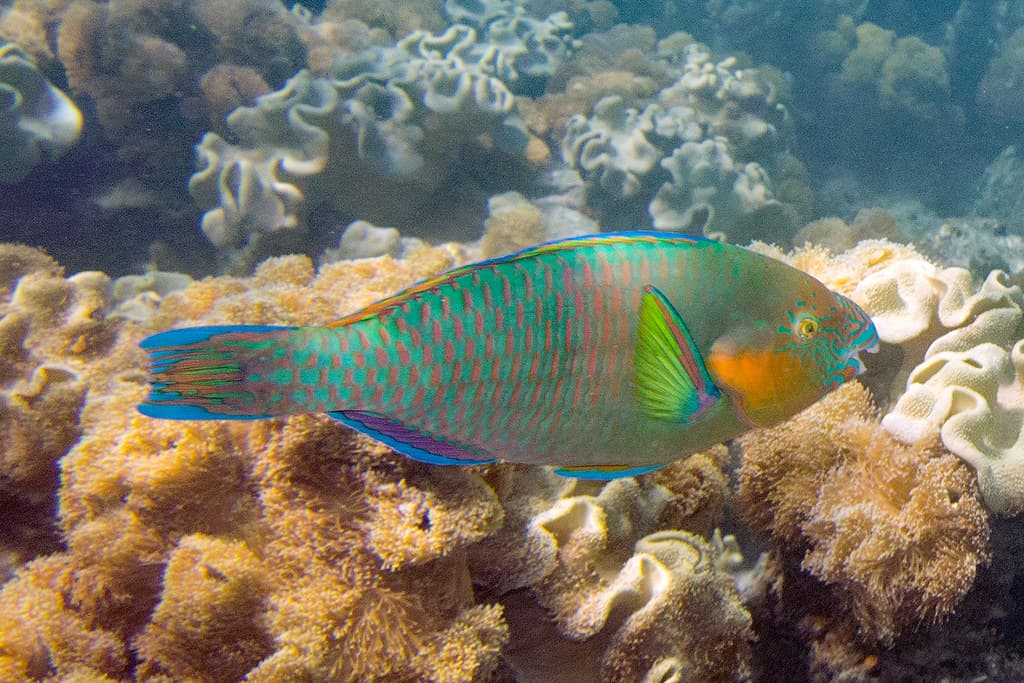
Eastern bommies hide butterflyfish
Glass-calm water, stingray sightings
Light hits casuarinas first
Where it is
Svendsen Beach
The Keppels, Queensland, Australia
-23.161150°, 150.959560°
Weather
Loading…
Swell
—
Temp
Warm · Restorative
UV Index
Moderate
Wind
—
Tidal State
Last known
Max Sunlight
—
Ideal Shade
—
May - Sep (Peak)
Jan - Dec (Off-season)
Historical data suggests peak visibility and stable sea temperatures occur during the prime visitation window.
Select a category to load nearby places.
Unlock restaurants, luxury stays and curated maritime experiences within 2km
Svendsen Beach is generally safe for swimming, known for its calmer, clearer waters compared to other Keppel Island beaches. The protected location provides more sheltered conditions, making it suitable for snorkeling and families. However, always check weather conditions before heading out, as wind and tides can affect water clarity and currents. Marine stingers may be present during summer months (November-May), so consider wearing protective clothing. No lifeguard services are available, so swim within your abilities and supervise children closely at all times.
Svendsen Beach can be enjoyed year-round due to Queensland's subtropical climate. Winter months (May-September) offer pleasant temperatures, calmer seas, and excellent visibility for snorkeling, with minimal stinger risk. Summer (December-February) brings warmer water but higher humidity and potential marine stingers. Shoulder seasons (April-May and September-October) provide comfortable weather with fewer visitors. Wind and sea conditions matter more than season for this boat-access beach, so check marine forecasts before departure. Early morning visits typically offer the calmest water and best snorkeling conditions regardless of time of year.
Svendsen Beach is accessible only by boat, with no road access or designated parking. Most visitors arrive via private boat from Keppel Bay Marina or Rosslyn Bay Harbour on the mainland. Water taxis and tour operators in Yeppoon occasionally include Svendsen Beach as a stop, though it's less frequented than Great Keppel Island's main beaches. You can anchor offshore and wade or dinghy to the beach. The journey from the mainland takes approximately 30-45 minutes depending on vessel and conditions. Check tides and weather before departure.
Svendsen Beach has no facilities, amenities, or food services available. It's a remote, undeveloped beach requiring complete self-sufficiency. Bring all supplies including water, food, sun protection, and waste bags to pack out your rubbish. The nearest facilities are on Great Keppel Island or back on the mainland at Yeppoon and Emu Park. No accommodation exists at Svendsen Beach itself. Plan accordingly for a true wilderness beach experience, and ensure your boat is well-equipped with safety gear and provisions for the journey.
Boaters favor Svendsen Beach for its typically calmer, clearer water and more protected anchorage compared to busier spots like Great Keppel's main beaches. The sheltered location often provides better holding ground for anchoring and less boat traffic, making it ideal for a peaceful day stop. The water clarity is generally superior, enhancing snorkeling opportunities. Its relative remoteness means fewer crowds and a more secluded beach experience. The beach appeals to those exploring the Keppels by boat who want to escape the day-tripper crowds while still enjoying good swimming conditions.
Photos