
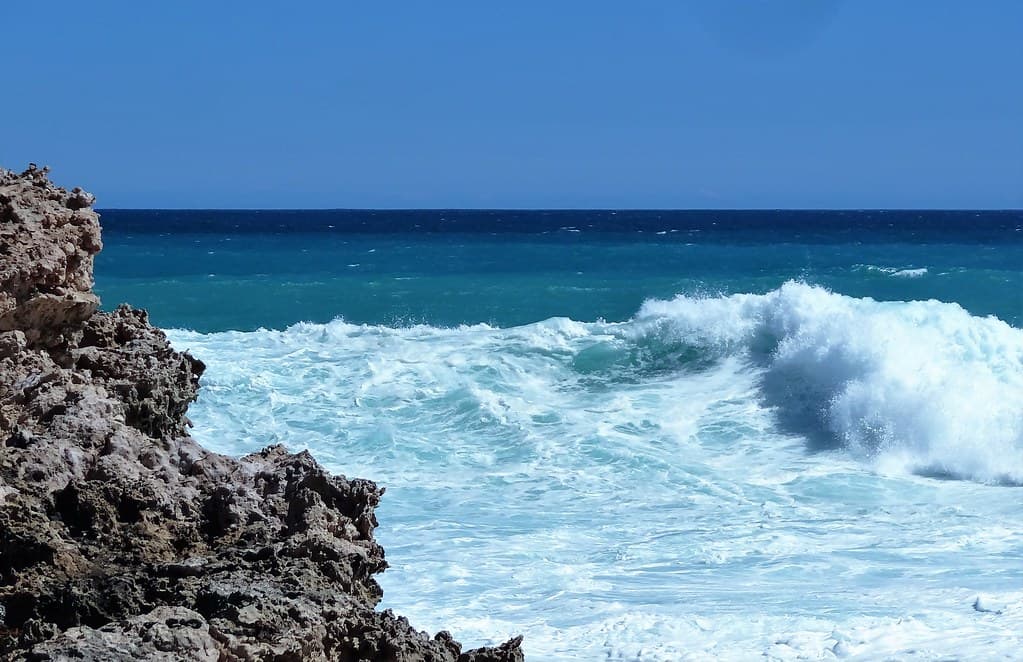
The beach doesn't so much meet the water as negotiate with it. Twice a day the tide pulls back across Moreton Bay, leaving behind ribbed sand, shallow pools catching afternoon light, and a natural pathway that locals have walked for generations. King Island sits out there, reachable on foot during the lowest tides, a pilgrimage that draws families with buckets, photographers chasing wading birds, and anyone craving that particular satisfaction of walking where boats normally glide.
“The low-tide causeway to King Island turns the beach into a twice-daily pedestrian crossing where the seafloor becomes your footpath.”
 Credit: Flickr
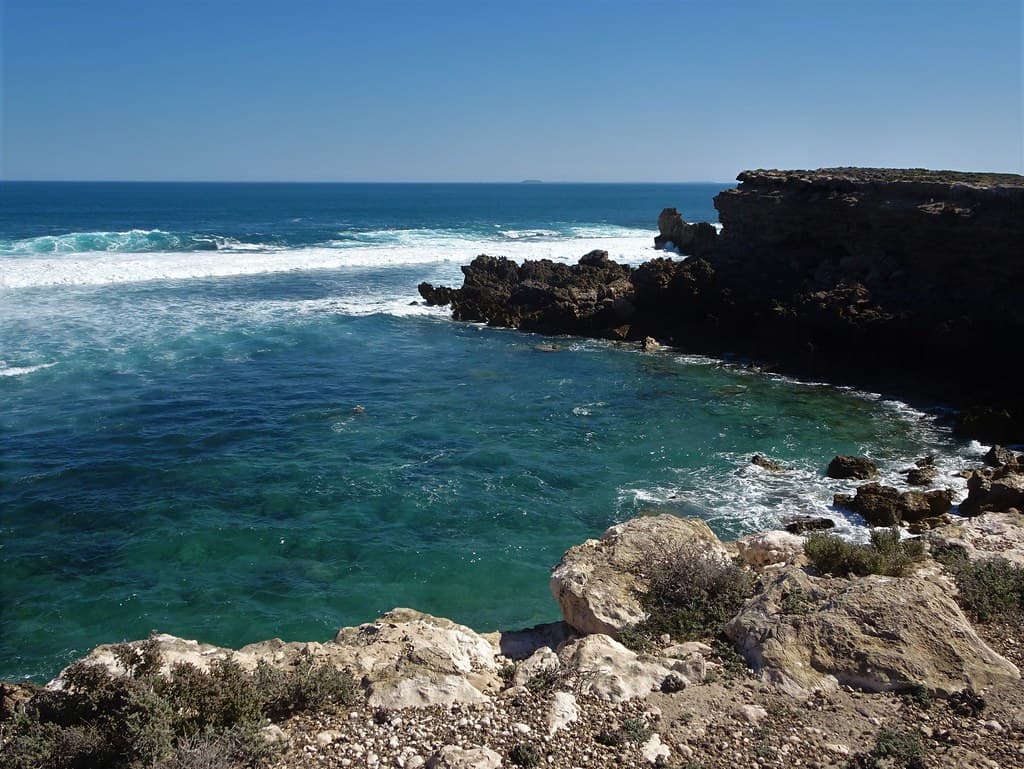
Elliston Eyre Peninsula. Beautiful cliffs and ocean views at the edge of the town.
Back on shore, Norfolk pines frame picnic tables and barbecue shelters along the grassy foreshore. The water here is shallow and calm—more suited to paddling than swimming—but that's precisely the point. Children wade knee-deep hunting soldier crabs while kiteboarders skim across the flats when the wind picks up from the southeast. The sand underfoot is firm, compacted by tides, and littered with tiny shells that crunch softly as you walk.
Sunset claims the western sky in shades of apricot and violet, silhouetting the island and turning the mudflats into mirrors. The cafés along the esplanade fill with runners finishing loops and couples sharing fish and chips on benches facing the bay. This isn't a beach for crashing surf or postcard turquoise; it's a beach that asks you to slow down, check the tide chart, and meet it on its own mutable terms.


