
Betty's Beach sits on the less-trafficked northern edge of Whitsunday Island, a counterpoint to the crowds that flock to Whitehaven's seven-kilometer stretch. The silica content here is just as high—around 98 percent—which means the sand doesn't retain heat and produces that characteristic squeak when you walk across it. Coral outcroppings dot the shallows near the beach's eastern end, and at low tide you can wade out fifty meters before the seafloor drops away into deeper channels where the water darkens to indigo.
“Betty's Beach delivers Whitehaven-quality silica and Whitsunday blues with a fraction of the foot traffic, rewarding those who venture beyond the island's southern highlights.”
 Credit: Flickr
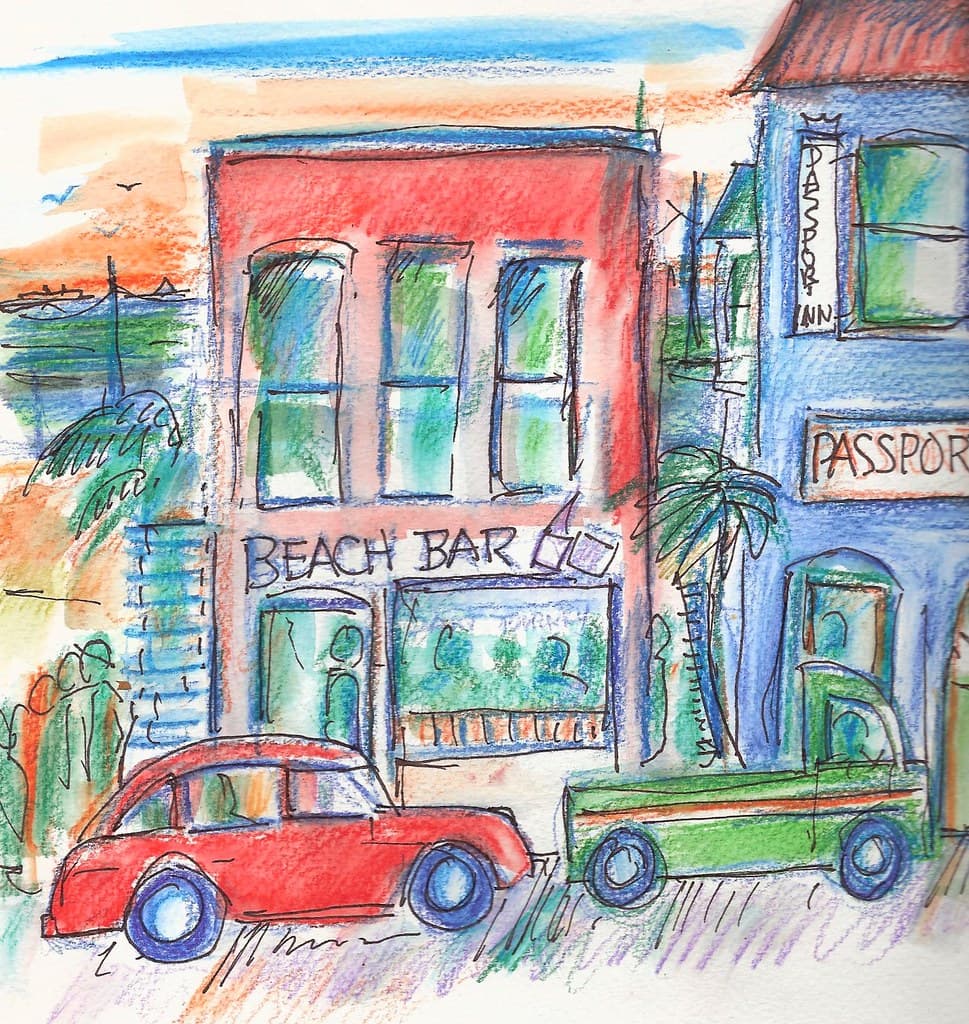
PACIFIC COAST HIGHWAY TOWNS 1960S
Most boats anchor offshore and tender passengers in, so mornings bring the fewest people—usually just one or two small tour groups between nine and eleven. The beach faces northeast, which means afternoon sun lights up the water in layers: pale green over the sand flats, deeper teal where the reef begins, then that unmistakable Whitsunday blue farther out. Pandanus palms and she-oak trees edge the high-tide line, offering scattered shade but not the dense canopy you'd find on the mainland.
The swim here stays calm except during strong southeasterlies, when chop can push through the outer islands. Pack reef-safe sunscreen—the Marine Park Authority enforces strict protections—and bring your own drinking water. There are no facilities, no kiosks, no beach hires. Just sand, sea, and the occasional white-bellied sea eagle circling overhead.


