
The track from the car park winds through low banksia and teatree before the bay reveals itself in full—a generous arc of white sand framed by ochre cliffs that glow amber in afternoon light. You'll spread your picnic blanket on sand that's softer than it looks, watching shearwaters skim the surface while families wade into water so calm it mirrors the sky. The beach faces northeast, sheltered from the prevailing westerlies that batter the park's outer coast.
“One of the few protected swimming bays on the rugged Yorke Peninsula where limestone geology meets genuine solitude.”
 Credit: Flickr
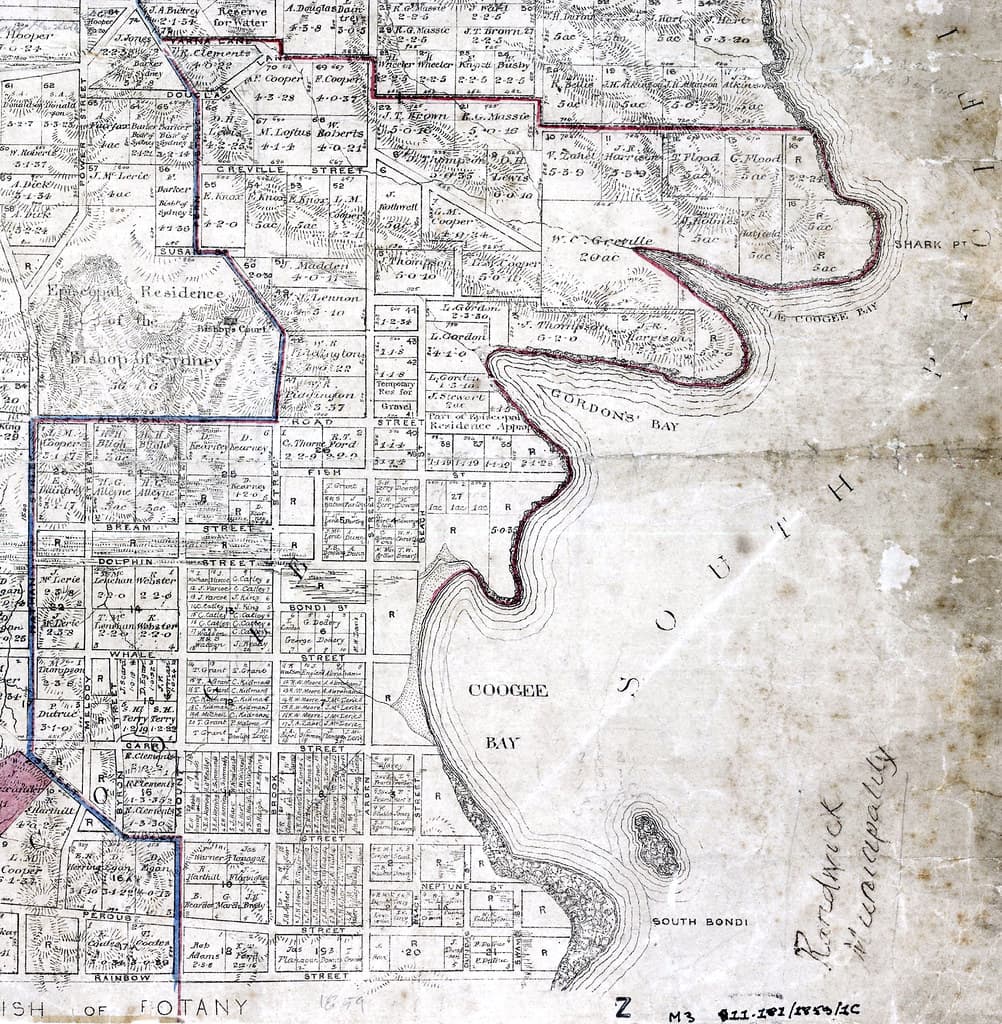
1859 - "RANDWICK, WAVERLEY & COOGEE" Parish Map, Sydney, New South Wales, Australia (enhanced portion)
Midmorning brings the clearest visibility: you can trace patterns of seagrass through the shallows, watch small fish dart around your ankles, and spot the occasional dolphin cruising past the northern headland that gives the bay its name. The sand slopes gently, making it easy to walk out fifty meters and still touch bottom. Bring your own shade—the nearest trees sit well back from the water.
By late afternoon, the light turns the cliffs into layered bands of cream and terracotta. You'll likely share the beach with no more than a dozen others, even in January. The facilities are basic: pit toilets and a single freshwater tap. Pack everything in, pack everything out. On your way back to the car, check the coastal heath for blue wrens and the occasional echidna nosing through leaf litter.


