
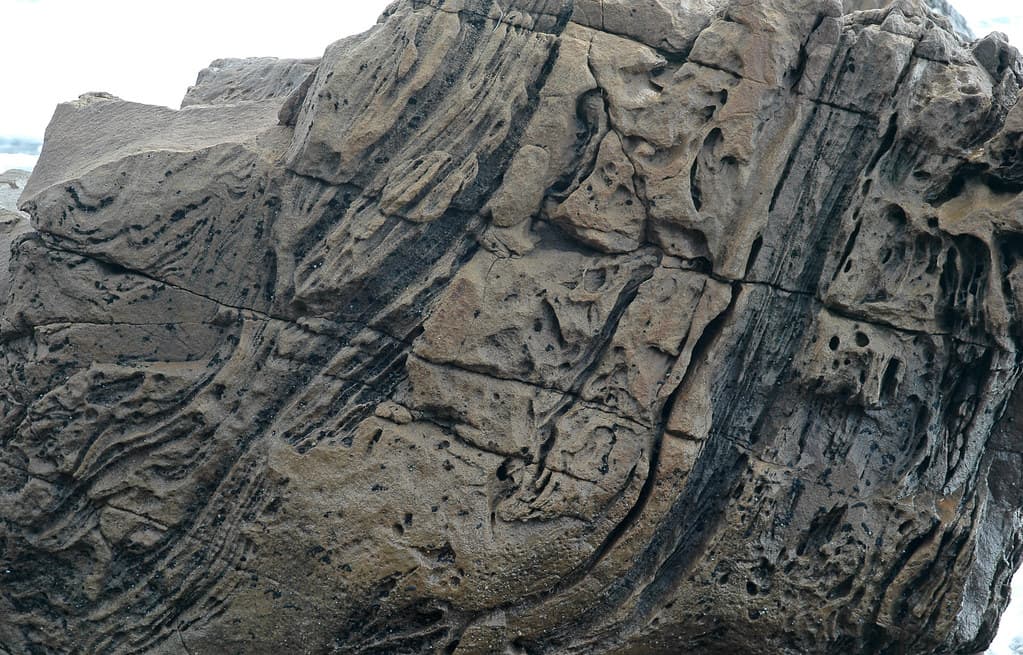
Drive the sealed road through scrub and farmland, and Emu Bay unfolds like a private crescent between headlands clothed in coastal tea-tree. The sand here is uncommonly fine, squeaking beneath your feet as you walk toward water that barely registers a ripple. Families colonize the shallows mid-morning, children building sandcastles while parents float on their backs, watching white-bellied sea eagles circle the cliffs to the west.
“One of South Australia's few north-facing beaches, sheltered enough for toddlers to wade safely yet wild enough for wallabies at the dune's edge.”
 Credit: Flickr
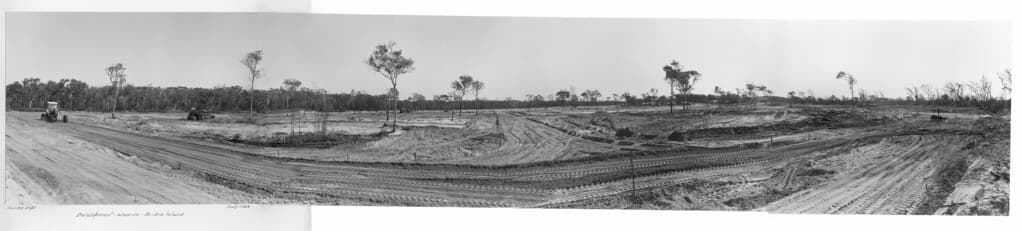
Bribie Island development
The beach faces north into Investigator Strait, sheltered from the Southern Ocean's fury that pounds the island's opposite shore. At low tide, rock platforms emerge at either end, revealing anemones and starfish in shallow pools. By late afternoon, the crowds—never more than a dozen groups even in January—disperse, leaving you to collect cuttlebone and kelp-polished shells along the tideline as the light turns honeyed.
A single jetty extends from the eastern headland, remnant of the island's gypsum-mining days, now favoured by anglers casting for tommy ruff and squid. The only commercial footprint is a modest caravan park set back in the banksias, where kookaburras announce sunrise and possums rustle through campsites after dark. No surf schools, no jet-ski rentals—just sand, sky, and the kind of quiet that makes you realize how much noise you've been carrying.


