
Counting the waves…
Counting the waves…
A refined fusion of water purity, environmental stability, and communal vibrancy for Conservation Park Beach.
View MethodologyAnalyzed via live sensors and environmental data.
Wave height, wind, and atmospheric stability.
Live footfall and crowd balance metrics.
Community reviews and curated sentiment.
“You'll walk barefoot on firm, damp sand while silver gulls wheel overhead and the scent of salt and samphire drifts from the dunes. Conservation Park Beach stretches empty for miles, bordered by tussock grass and the…”
Limited recent visitor reports — live OBI telemetry is your best guide for current conditions.

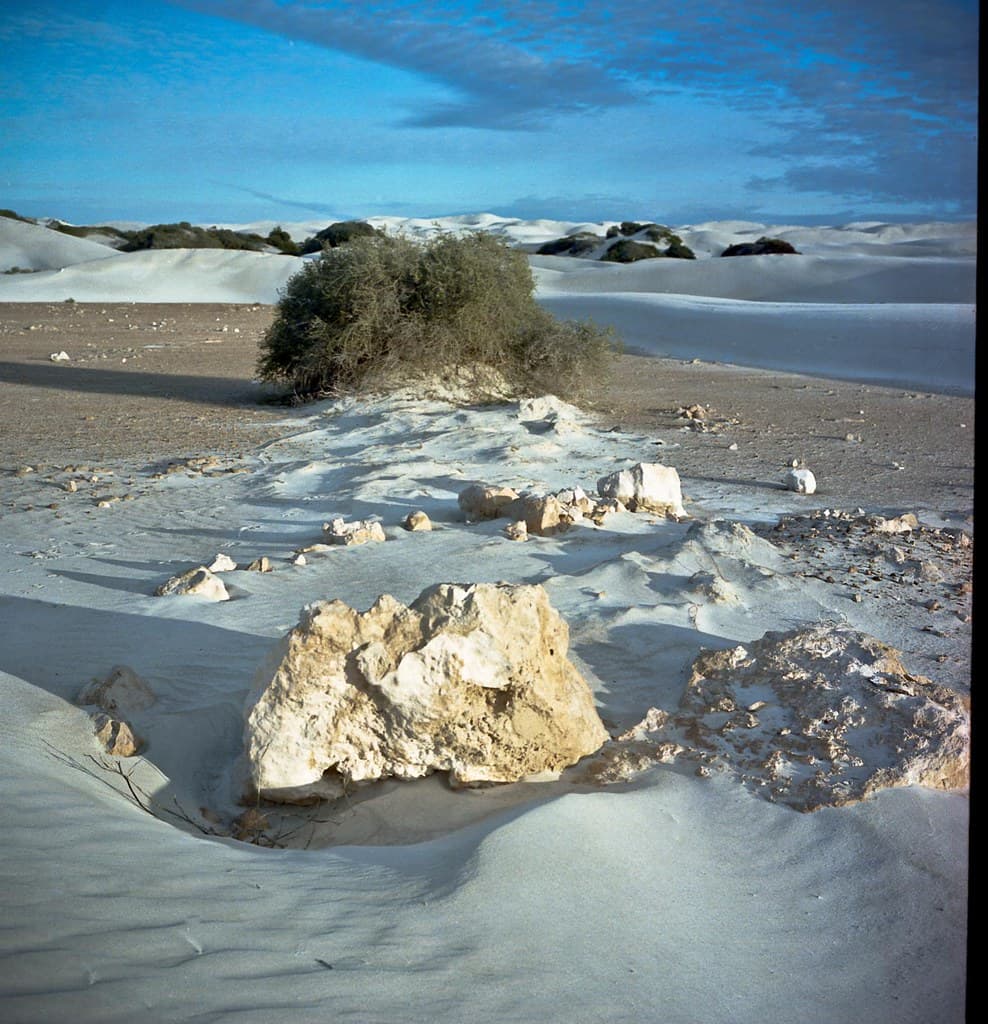
The sand here is hard-packed and pale, a ribbon of beach that runs uninterrupted along the Coorong Coast. You'll notice the quiet first—no surf clubs, no ice cream kiosks, just the rhythmic shush of the Southern Ocean and the occasional cry of a hooded plover. Behind the foredunes, the landscape opens into a mosaic of salt pans and shallow lagoons where black swans glide and red-necked stints probe the mudflats.
You can walk for an hour without encountering another person, your footprints the only ones in the wet sand at the tideline. The Coorong National Park wraps around this stretch, protecting more than 200 bird species that feed and nest in the brackish waterways. Bring binoculars—you'll spot pelicans, cormorants, and if you're lucky, the rare orange-bellied parrot during migration season. The wind is constant, carrying the sharp tang of seaweed and the faint sweetness of coastal heath.
Follow tracks through native vegetation
Binoculars reveal pelicans and plovers
Cool Southern Ocean waters year-round
Where it is
Conservation Park Beach
Salt Creek, South Australia, Australia
-35.312800°, 139.456200°
Weather
Loading…
Swell
—
Temp
Warm · Restorative
UV Index
Moderate
Wind
—
Tidal State
Last known
Max Sunlight
—
Ideal Shade
—
Jan - Dec (Peak)
Mar - Nov (Off-season)
Historical data suggests peak visibility and stable sea temperatures occur during the prime visitation window.
Select a category to load nearby places.
Unlock restaurants, luxury stays and curated maritime experiences within 2km
Conservation Park Beach is generally suitable for swimming, though conditions vary with weather and tides. The beach is relatively sheltered, but always check for rips and currents before entering the water. There are no lifeguard patrols, so swim at your own risk and stay within your capabilities. The beach's remote location means help isn't immediately available in emergencies. Check local surf reports and weather forecasts before visiting. Families with young children should exercise extra caution and maintain close supervision at all times.
Conservation Park Beach can be enjoyed year-round, with each season offering different advantages. Spring and autumn provide mild temperatures ideal for walking and birdwatching, with wildflowers blooming in spring. Summer offers warm weather perfect for swimming and beach activities, though it can get busy during school holidays. Winter is quieter and excellent for whale watching from nearby vantage points. Early mornings throughout the year are best for birdwatching and experiencing the beach's peaceful atmosphere before other visitors arrive.
Conservation Park Beach is located near Salt Creek, approximately 100 kilometers south of Kingston SE along the Limestone Coast. Access the beach via Coorong National Park's coastal tracks. A 4WD vehicle is highly recommended as beach access involves driving on sand. Park permits are required for Coorong National Park and can be purchased online or at visitor centers. Parking areas are available near beach access points, but facilities are minimal. Always check track conditions before travelling, especially after rain.
Conservation Park Beach is remote with very limited nearby amenities. Salt Creek is the closest settlement with basic facilities including a general store and caravan park. For more extensive services, accommodations, restaurants, and shops, you'll need to travel to Kingston SE or Meningie. It's essential to bring all necessary supplies including food, water, and fuel when visiting. The nearest emergency services are also some distance away. Many visitors camp at Coorong National Park campgrounds, which offer basic facilities.
Conservation Park Beach and the surrounding Coorong area are renowned for exceptional birdwatching opportunities. The region is home to numerous waterbird species including pelicans, black swans, and various migratory shorebirds that visit seasonally. You may spot oystercatchers, terns, and plovers along the beach. The nearby wetlands attract wading birds and waterfowl. Bring binoculars and a bird identification guide to maximize your experience. Spring and autumn migrations offer particularly diverse sightings as international migratory species pass through the area.