
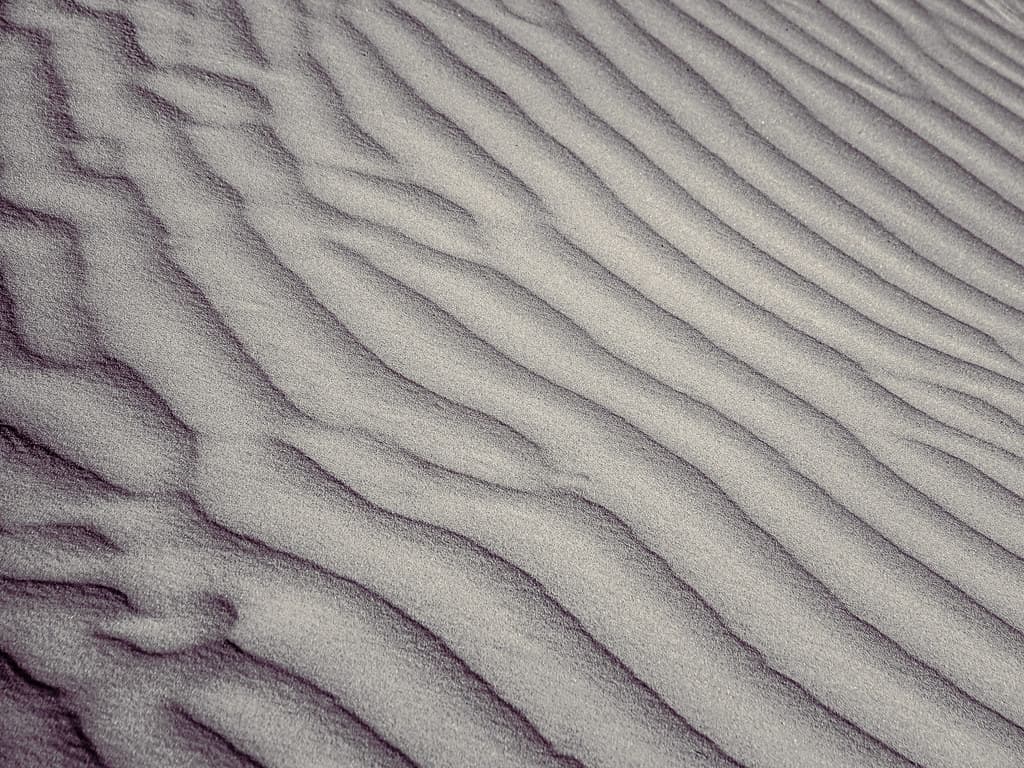
You park beneath a canopy of acacias and cross a low boardwalk where the air shifts from eucalyptus-scented scrub to salt and kelp. The beach unfolds in a pale ribbon, unbroken for miles, the surf low and methodical. Foam gathers in lace patterns along the tideline, and the sand is dense enough to walk barefoot without effort. Pelicans glide in formation overhead, their shadows skating across the water.
“A beachfront gateway to one of Australia's most significant Ramsar wetlands, where coastal dunes meet a vast lagoon ecosystem teeming with migratory birds.”
 Credit: Flickr
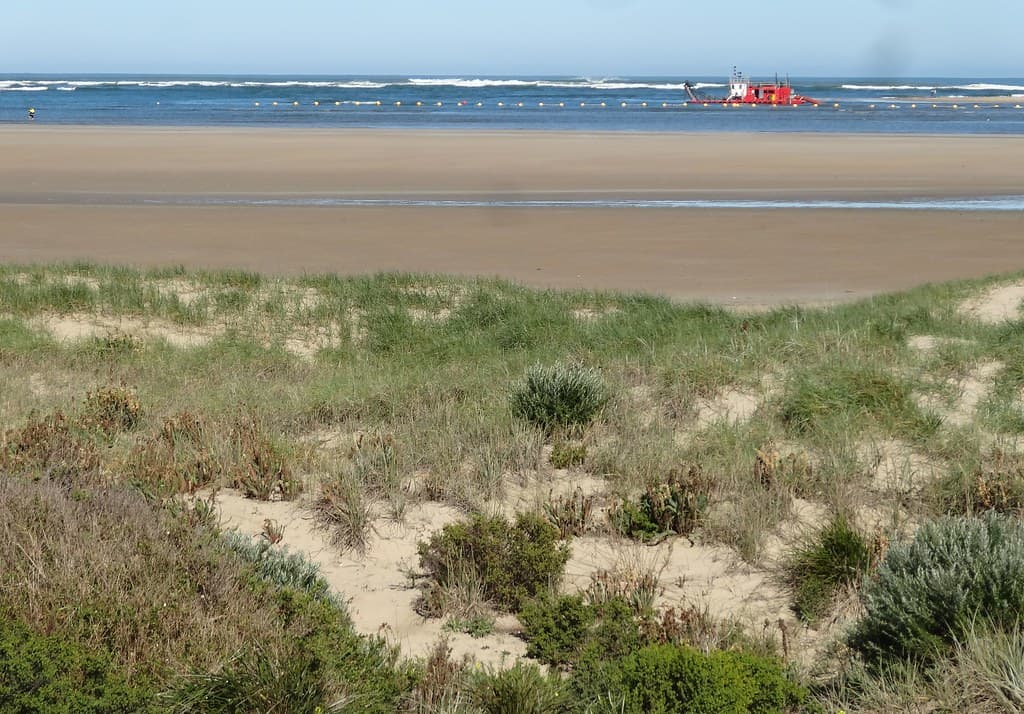
Hindmarsh Island. View across the beach to the Murry River Mouth and the start of the Coorong. Charles Sturt and party were the first whites to see this in 1829.
This is the Coorong in its purest expression: no vendors, no umbrellas, no crowd. Families spread picnic rugs in the shelter of the dunes while kids chase the retreating waves, their laughter swallowed by wind. The shoreline collects cockle shells and cuttlebone, smooth stones in shades of rust and grey. Behind you, the dune system rises in golden ridges, stabilized by spinifex and saltbush that shiver in the onshore breeze.
By late afternoon, the light turns amber, and the beach takes on a mineral quality—sand, sky, and sea merging in gradations of ochre and pewter. You walk until your footprints are the only marks, until the silence feels like a presence. The Coorong doesn't announce itself with drama; it earns your attention slowly, rewarding those who linger long enough to notice the flight path of a cormorant or the way the tide rewrites the beach twice daily.


