
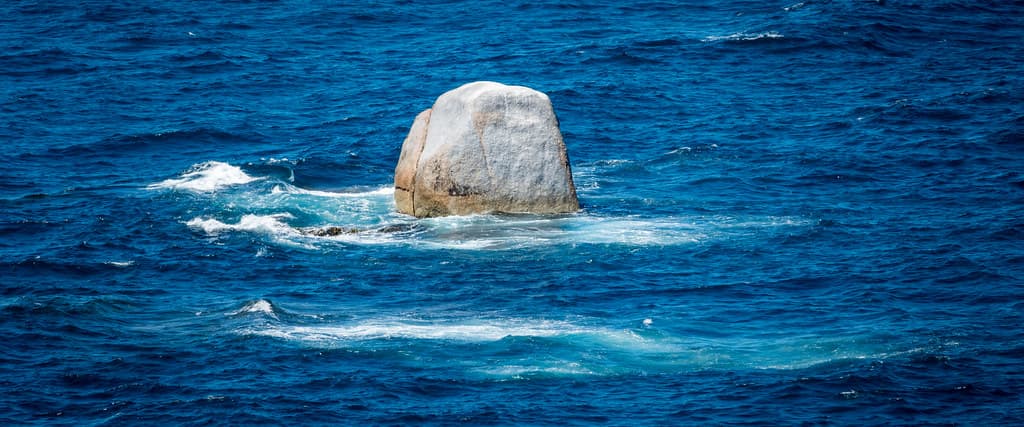
The sand at Bicheno Beach carries a faint crunch underfoot—tiny shell fragments and quartz grains ground fine by centuries of wave action. You'll spread your blanket on a narrow crescent hemmed by granite outcrops that glow ochre and rust in the slanting afternoon light. The water numbs your ankles within seconds; this is the Tasman Sea, after all, fed by currents that have traveled from Antarctica. Families stake out patches near the southern end where a natural rock pool traps warmer water at low tide, while you wade deeper, gasping as the cold reaches your thighs.
“One of the few beaches where you can watch fairy penguins return to shore at twilight, bridging wildlife encounter with a classic beach day.”
 Credit: Flickr
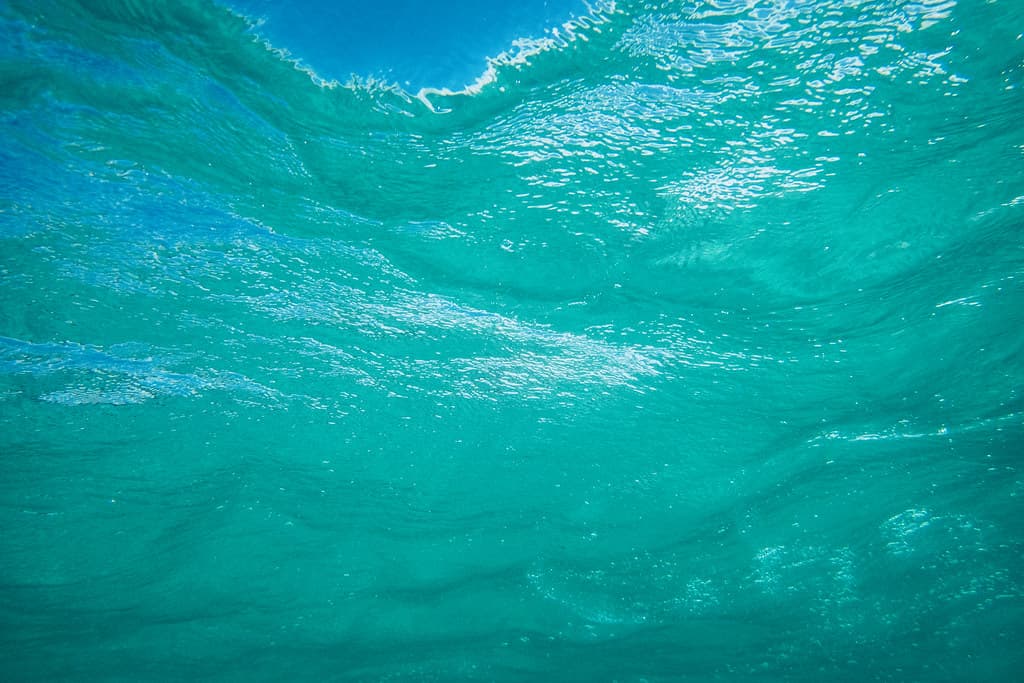
The view from under the wave, Waubs Beach, Bicheno, Tasmania
The town of Bicheno presses close to the shore—weatherboard cottages, a handful of cafés, the hum of fishing boats idling in the harbor just beyond the breakwater. You can walk from your accommodation to the beach in under five minutes, past gardens of coastal rosemary and banksias. Locals time their swims for early morning when the water takes on a glassy calm and the only other souls are the surfers checking the break at Redbill Point.
As the sun drops toward the western hills, the granite headlands cast long shadows across the sand and the sky flares pink over the bay. You'll linger longer than planned, wrapped in a towel, watching the light change and the first stars appear above the dark line of the horizon. This is Bicheno stripped of fanfare—just rock, water, and the sharp beauty of Tasmania's east coast.


