
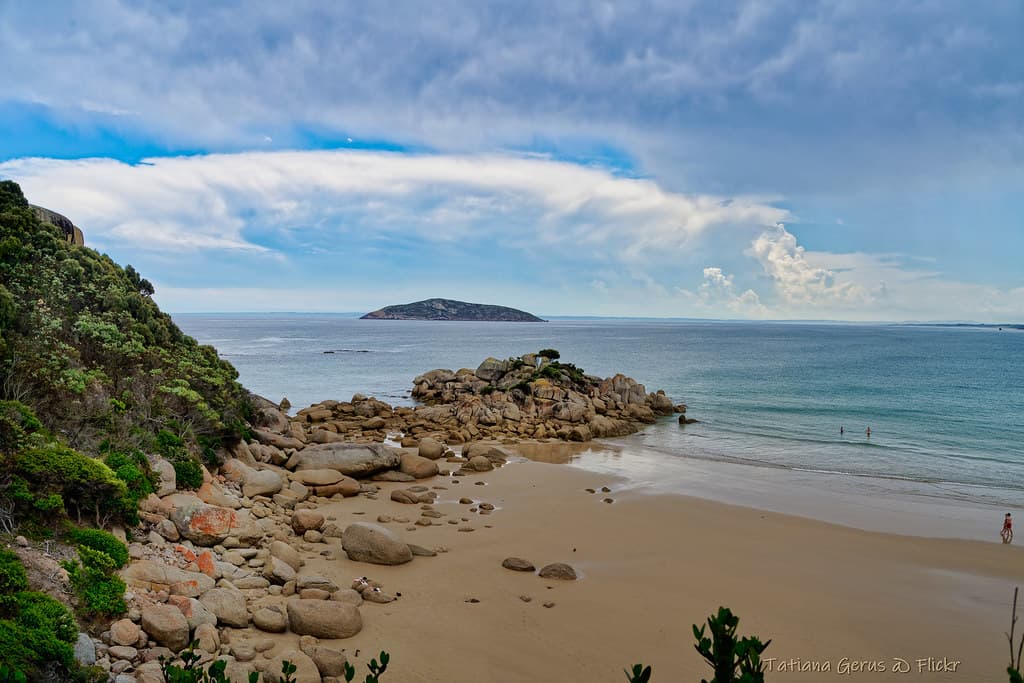
The gravel turnout sits unmarked along Roaring Beach Road, and the track down through low scrub and banksias confirms you've left the tour-bus crowd behind. When the sand opens before you, the noise makes sense: waves peel left and right with metronomic consistency, driven by swells that have traveled uninterrupted across thousands of miles of open ocean. Dolerite headlands frame both ends of the beach, their fractured columns dark against the white foam.
“Roaring Beach delivers year-round surf consistency rare in Tasmania, powered by unobstructed Southern Ocean swells that wrap into both reef and beach breaks.”
 Credit: Flickr
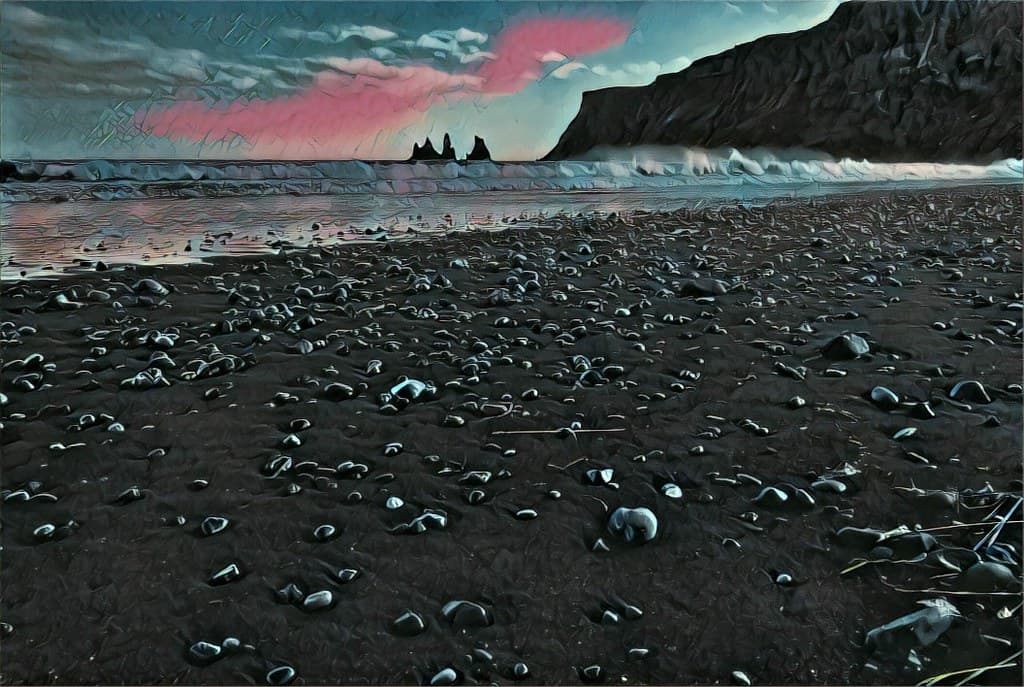
Republic of Iceland ~ Shoreline at sunset~
You'll share the line-up with a rotation of locals who paddle out in all seasons, their wetsuits varying in thickness with the months. Between sets, scan the cliffs—the burnt-orange and grey striations in the rock face shift color as clouds race overhead, and the coastal scrub clings to fissures with stubborn determination. On windless afternoons, the only sounds are the crash of waves and the occasional cry of a Pacific gull.
Pack everything in and out; there are no bins, no kiosks, no lifeguards. The beach resets itself each tide, erasing your presence. In winter, you might spot a whale breaching offshore. In summer, the water never climbs past sixteen degrees. Bring a thick towel and accept that some beaches demand more than they offer in comfort—what they return is a coastline still ruled by swell and stone.


