Counting the waves…
Counting the waves…
A refined fusion of water purity, environmental stability, and communal vibrancy for Waterhouse Beach.
View MethodologyAnalyzed via live sensors and environmental data.
Wave height, wind, and atmospheric stability.
Live footfall and crowd balance metrics.
Community reviews and curated sentiment.
“You'll smell the salt-tinged air laced with eucalyptus before you see Waterhouse Beach. The shoreline curves gently between headlands, where tea-colored creek water meets the Bass Strait and children wade safely in the…”
Limited recent visitor reports — live OBI telemetry is your best guide for current conditions.
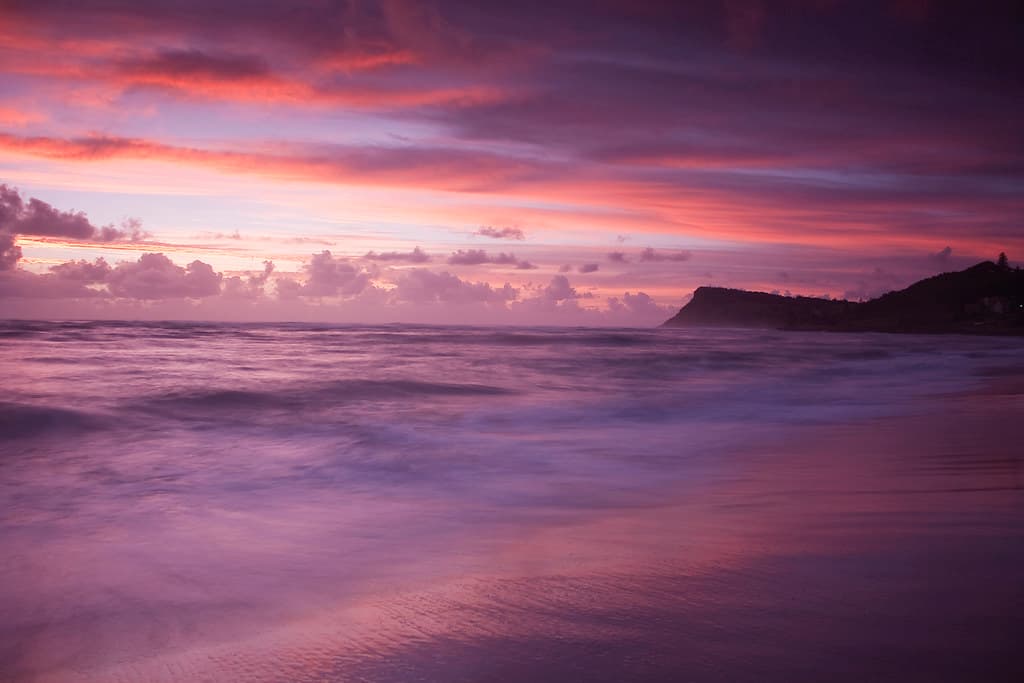
The drive east from Launceston winds through farmland and pockets of coastal scrub before Waterhouse Beach reveals itself—a sweep of pale sand sheltered by low granite headlands. Families spread tartan blankets near the dunes while kids dig moats in the fine-grained sand, their shouts carried off by the onshore breeze. The water here holds a greenish tint where Waterhouse Creek spills into the bay, staining the shallows amber before blending into the deeper blue of the strait.
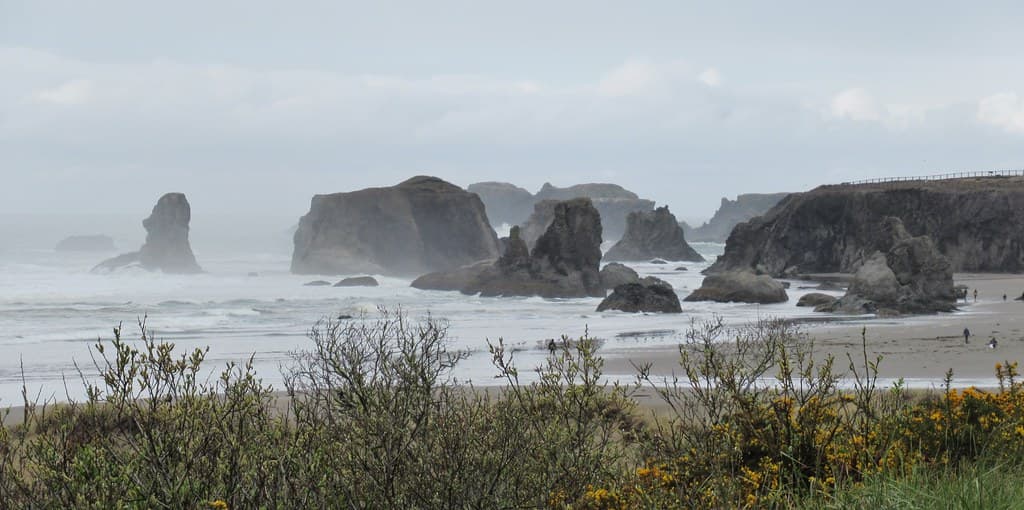
You won't find surf schools or gelato carts, just a single picnic shelter and a gravel car park shaded by she-oaks that whisper in the wind. The beach faces north across the Bass Strait toward the Australian mainland, and on clear mornings the light turns the wet sand into a mirror. Cormorants dry their wings on the rocks at either end of the bay, and at low tide pools appear among the boulders—small worlds of Neptune's necklace and tiny darting fish.
 Credit: Unsplash
a scenic view of a beach and the ocean
 Credit: Unsplash
A view of a beach from a hill overlooking the ocean
Creek meets ocean in warmth
Granite boulders frame Bass Strait
She-oak shade with ocean views
Where it is
Waterhouse Beach
Launceston, Tasmania, Australia
-41.128800°, 147.218200°
Weather
Loading…
Swell
—
Temp
Warm · Restorative
UV Index
Moderate
Wind
—
Tidal State
Last known
Max Sunlight
—
Ideal Shade
—
Jan - Dec (Peak)
Mar - Nov (Off-season)
Historical data suggests peak visibility and stable sea temperatures occur during the prime visitation window.
Select a category to load nearby places.
Unlock restaurants, luxury stays and curated maritime experiences within 2km
Waterhouse Beach is generally safe for swimming with calm, clear waters ideal for families. The beach is relatively sheltered, making conditions more predictable than exposed ocean beaches. However, it's unpatrolled, so swimmers should take personal responsibility for safety. Check weather conditions before visiting, as winds can affect water conditions. The shallow, gradual entry makes it suitable for children, but always supervise young swimmers. Avoid swimming during rough weather or strong winds. As with any beach in Tasmania, water temperatures are cool year-round, so wetsuits are recommended for extended swimming.
Waterhouse Beach can be visited year-round, though each season offers different experiences. Summer (December-February) provides the warmest weather and best swimming conditions, with temperatures reaching 20-25°C, though water remains cool. Autumn and spring offer pleasant temperatures with fewer crowds, ideal for beachcombing and scenic walks. Winter can be dramatic with clear skies but cold temperatures. The beach is often quietest on weekdays. Early morning visits reward you with pristine conditions and potential wildlife sightings. Check forecasts for wind conditions, as strong winds can make beach activities less enjoyable.
Waterhouse Beach is located approximately 90 minutes' drive northeast of Launceston via the Tasman Highway (A3) and Waterhouse Road. The final stretch involves unsealed gravel roads, so drive carefully, especially after rain. A conventional vehicle can typically access the area in good weather, though road conditions vary seasonally. Limited informal parking is available near the beach access points. The remote location means there's no public transport option, so a private vehicle is essential. Ensure you have sufficient fuel before departing Launceston or nearby towns, as services are limited in this remote coastal area.
Waterhouse Beach has no facilities, amenities, or food services onsite, reflecting its remote, undeveloped character. Visitors must bring all supplies including food, water, and sun protection. The nearest towns with shops and services are Gladstone and Bridport, both requiring significant drives. There are no toilets, shelters, or drinking water at the beach. For accommodation, options exist in nearby towns like Bridport or at local camping areas, though not directly at Waterhouse Beach itself. Pack out all rubbish as bins aren't provided. Plan as a self-sufficient day trip or bring camping gear if staying overnight nearby.
Waterhouse Beach stands out for its remarkable seclusion and pristine natural state, remaining largely undiscovered compared to Tasmania's more popular beaches. The crystal-clear turquoise waters rival tropical destinations, creating stunning photographic opportunities. Its remote northeast coastal location within the Waterhouse Conservation Area means you'll often have the beach entirely to yourself. The area features dramatic granite boulders, white sand, and surrounding coastal heathland. It's excellent for beachcombing, rock pool exploration, and nature photography. The lack of development preserves an authentic wilderness beach experience increasingly rare in modern Tasmania, perfect for those seeking genuine escape from crowds.
Photos