
Counting the waves…
Counting the waves…
A refined fusion of water purity, environmental stability, and communal vibrancy for Red Rocks Beach.
View MethodologyAnalyzed via live sensors and environmental data.
Wave height, wind, and atmospheric stability.
Live footfall and crowd balance metrics.
Community reviews and curated sentiment.
“You'll find this pocket-sized cove tucked below grassy headlands just west of Cowes, where shallow water pools between rust-red granite and the seabirds outnumber the beach towels. The sand is coarse, the cliffs glow…”
Limited recent visitor reports — live OBI telemetry is your best guide for current conditions.
You descend a rough track through ti-tree and salt-tolerant grasses, and the narrow beach opens below—barely three hundred metres of ochre sand hemmed by weathered granite boulders that give the cove its name. The rock platforms glow rust and umber when wet, stained by iron oxides that leach through the island's ancient stone. On most afternoons you'll share the strand with a handful of families wading in water shallow enough for toddlers to splash safely, and perhaps a pair of walkers tracing the high-tide line for shells.
The beach sits inside Western Port, sheltered from the Southern Ocean swells that pound the island's southern coast. The water stays calm and greenish-grey, lapping gently even when westerlies bend the coastal scrub inland. At low tide the shore widens and tidal pools appear among the boulders—small laboratories of Neptune's necklace and clustered periwinkles that keep children occupied for hours. Gulls and oystercatchers work the waterline, ignoring picnics spread on checked blankets.
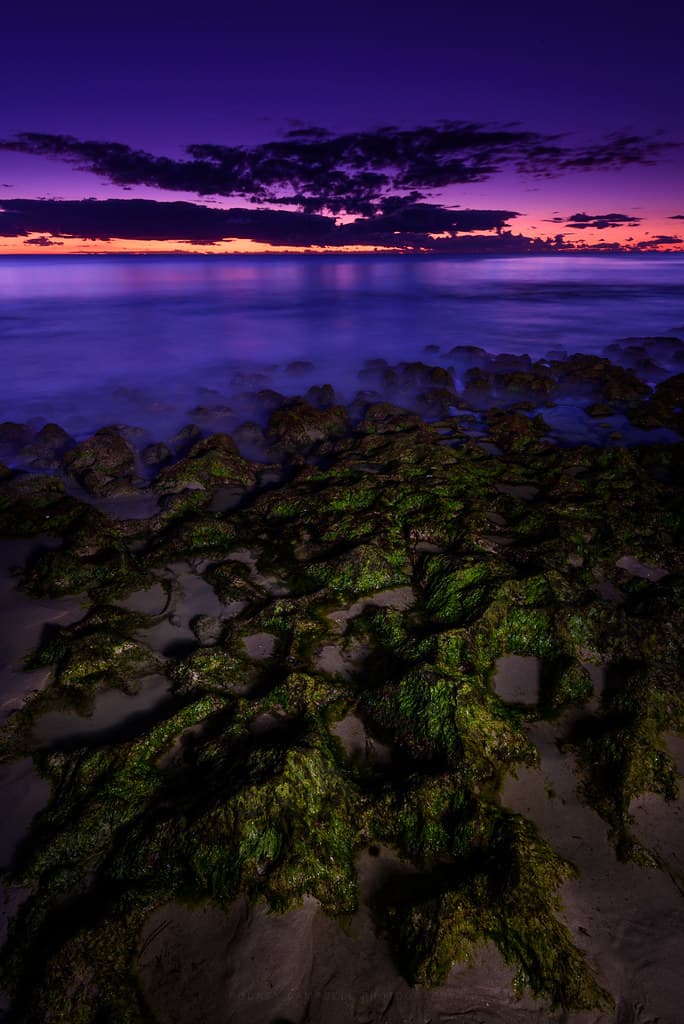
Sunset reflecting on wet sand
Person walking on a sand spit
Calm water ideal for children
Best light at golden hour
Low tide reveals rock platforms
Where it is
Red Rocks Beach
Cowes, Victoria, Australia
-38.449900°, 145.417200°
Weather
Loading…
Swell
—
Temp
Warm · Restorative
UV Index
Moderate
Wind
—
Tidal State
Last known
Max Sunlight
—
Ideal Shade
—
Jan - Dec (Peak)
Mar - Nov (Off-season)
Historical data suggests peak visibility and stable sea temperatures occur during the prime visitation window.
Select a category to load nearby places.
Unlock restaurants, luxury stays and curated maritime experiences within 2km
Red Rocks Beach is generally calm and suitable for swimming, especially during summer months. However, conditions can vary with weather and tides. The beach is relatively sheltered, making it safer than ocean-facing beaches, though it's less patrolled than major swimming spots. Always check local conditions before entering the water, supervise children closely, and be aware that as a quieter beach, lifeguard services may be limited or seasonal. The rocky areas that give the beach its name require caution when exploring.
Red Rocks Beach is accessible year-round, with each season offering different appeals. Summer (December-February) provides warm weather ideal for swimming and sunbathing, though it can get busier. Autumn and spring offer pleasant temperatures with fewer crowds, perfect for peaceful walks and photography. Winter brings cooler conditions but stunning moody landscapes. Early mornings and weekdays tend to be quietest regardless of season. The sheltered location means it's often enjoyable even when nearby beaches face strong winds.
Red Rocks Beach is located on Phillip Island Road in Cowes, accessible by car from Melbourne (approximately 2 hours via the South Gippsland Highway). Limited street parking is available near the beach access point, which can fill quickly during peak periods. The beach requires a short walk down from the road, involving some steps, so it's less accessible than other Phillip Island beaches. Public transport options to Cowes exist via V/Line bus services, though having a car provides more flexibility for exploring the area.
Red Rocks Beach itself has minimal facilities, reflecting its secluded nature. However, nearby Cowes town center (within a few minutes' drive) offers numerous cafes, restaurants, supermarkets, and shops. Public restrooms can be found in central Cowes. Accommodation options range from holiday rentals and B&Bs to motels and camping grounds throughout Cowes and Phillip Island. Visitors should bring their own supplies for a beach day, as there are no kiosks or amenities directly at Red Rocks Beach.
Red Rocks Beach takes its name from the distinctive reddish-brown volcanic rock formations that characterize the shoreline and create its unique landscape. These rocks provide dramatic natural features and tidal pools to explore, particularly appealing for families with children and photographers. The geological formations add visual interest and create a more intimate, protected beach environment compared to the open sandy beaches elsewhere on Phillip Island. The rocks are best appreciated at low tide when their full extent and detail become visible.
Photos