
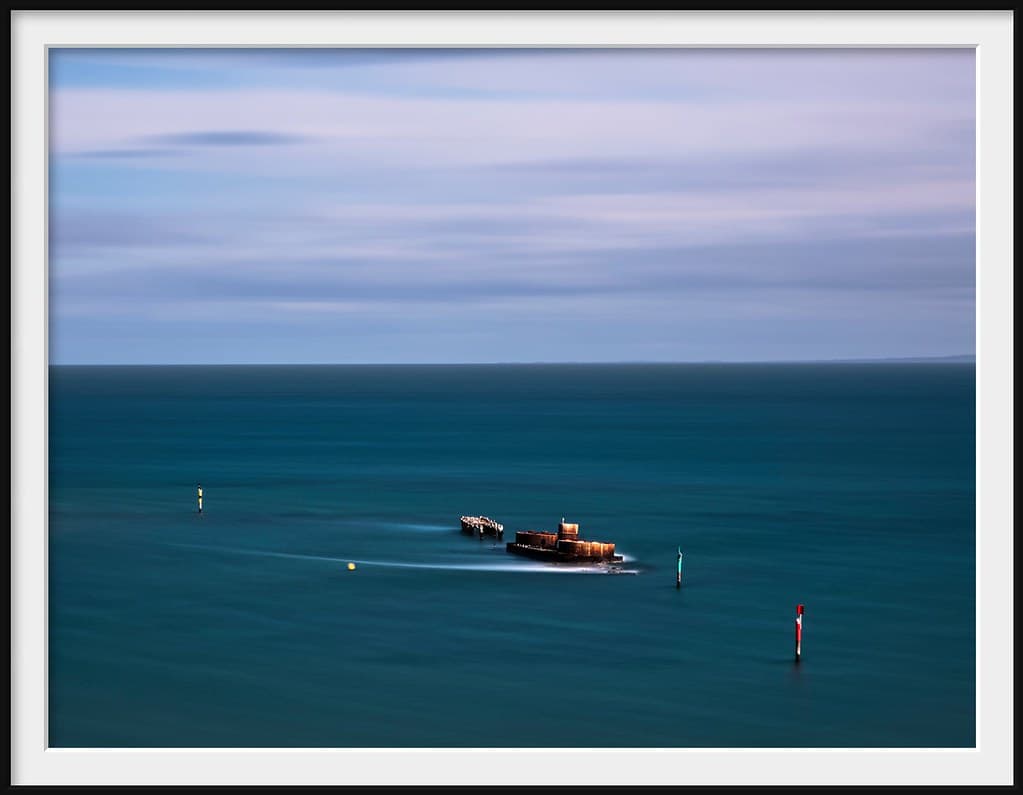
Half Moon Bay unfolds in a gentle arc along Black Rock's coastline, its eastern and western arms pinned by rock breakwaters that tame Port Phillip's already docile moods. You'll notice families claiming patches of coarse sand early, spreading blankets near the timber change sheds painted in fading nautical stripes. The water temperature here runs warmer than the ocean beaches—no frigid Bass Strait currents to shock your system—and the bay's protection means you can actually hear conversations twenty meters offshore instead of battling surf roar.
“Port Phillip's enclosed geography creates a bay beach with ocean views and lake-like tranquility, rare within reach of a major city.”
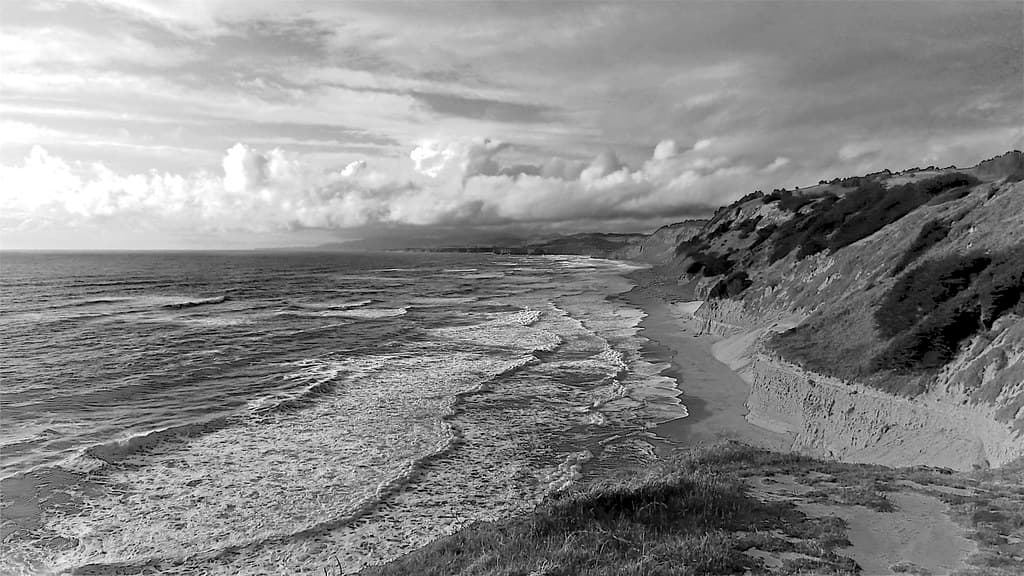 Credit: Flickr
Pacific Ocean Twillight
The beach reaches its stride in the golden hours before dusk. Dog walkers trace the tide line while paddleboarders glide over seagrass beds visible through the shallows. A concrete path hugs the dunes, linking Half Moon to neighboring beaches in both directions, and cyclists coast past carrying takeaway from the kiosks perched above the sand. You'll want to linger on the grassy reserve as the sun descends, watching light glint off downtown Melbourne's glass towers across twenty kilometers of flat water.
The sand itself is more grey than blonde, studded with shell fragments that crunch underfoot. Low tide exposes dark rocks slick with algae—watch your footing if you're wading near the breakwaters. But the reliable calm, the lack of rips and dumping waves, makes this a beach where you can stop scanning the horizon for danger and simply float on your back, staring up at the Norfolk pines that have stood sentinel here for generations.


