
The Esplanade curves along this three-kilometre ribbon of coastline, but most visitors never venture past the bathing-box precinct. You'll know better. Park near the heritage boxes if you must—their candy-striped facades do photograph beautifully against Norfolk pines—then keep walking south. The sand grows finer, the banksia thicker, and the clusters of beachgoers thinner with every hundred metres.
“The southern coves remain genuinely empty even in peak season, protected by cliffs too fragile for development.”
 Credit: Flickr
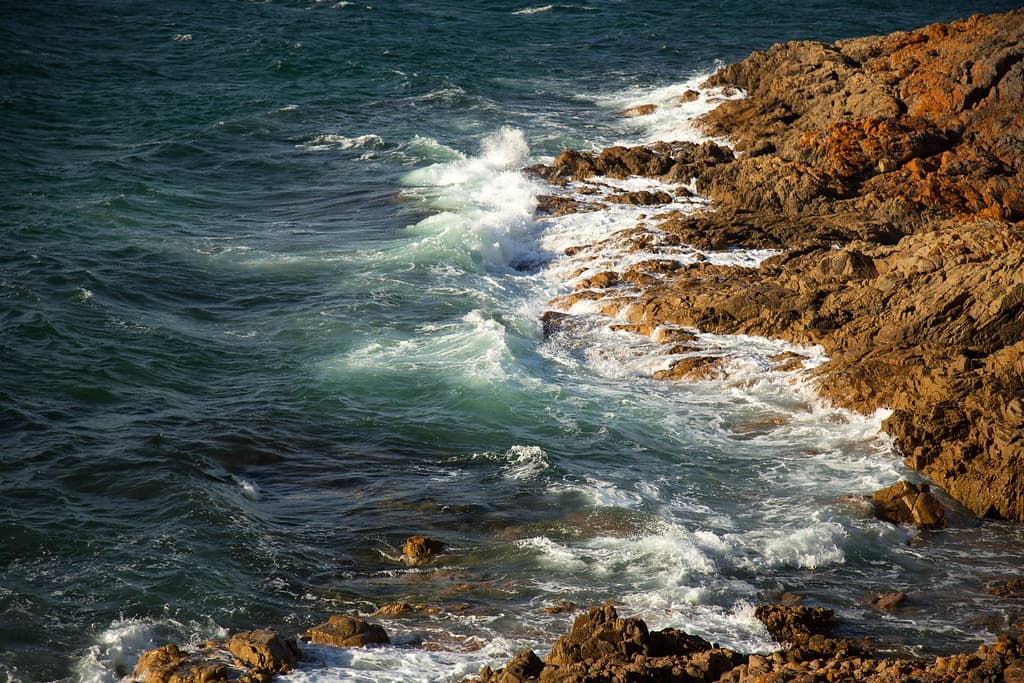
The dark and destructive deep blue sea
The cliffs here are Balcombe clay, not sandstone, and they crumble in soft ochre layers that stain your fingers when you touch them. Tucked beneath these bluffs, pocket beaches appear at low tide, each one a semi-private room with driftwood benches and views across Port Phillip Bay to Arthur's Seat. The water stays shallow for fifty metres out, warm enough in summer that you'll wade in without the usual sharp intake of breath that Victorian beaches demand.
Bring a thermos in winter—the north-facing aspect means you can breakfast in full sun while Melbourne shivers. The local dog-walkers know this, arriving at seven when mist still hangs over the ti-tree and the only footprints in the sand are made by gulls. By mid-morning, a few families stake their claims near the rock pools, but there's always another cove, another stretch of quiet beach, if you're willing to walk ten minutes more.


