
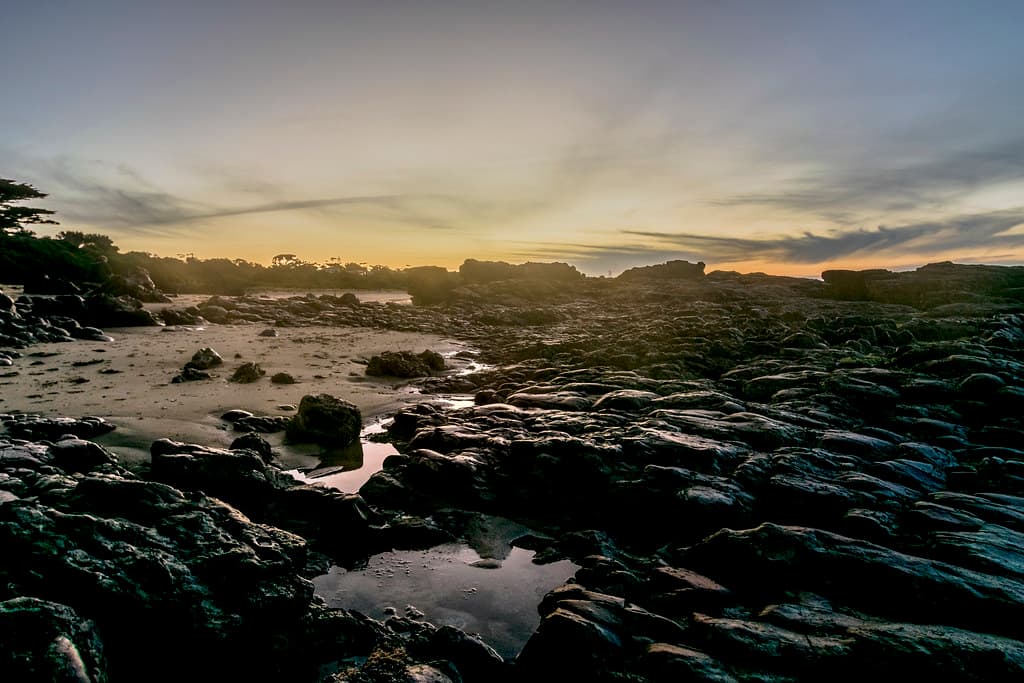
Stand at the edge of Cowes Beach and the Western Port spreads before you like a millpond, its surface barely ruffled even when southerlies rake the ocean beaches on Phillip Island's opposite shore. This north-facing strip of sand follows the curve of the bay for nearly a kilometer, hemmed by Norfolk pines and the weatherboard shopfronts of Thompson Avenue. The beach shelves so gradually that at low tide you can walk fifty paces and still find the water lapping at your shins—a geography that transforms nervous swimmers into confident waders.
“One of Victoria's rare bay beaches where the water stays shallow and glassy enough for unsteady toddlers to wade unsupervised.”
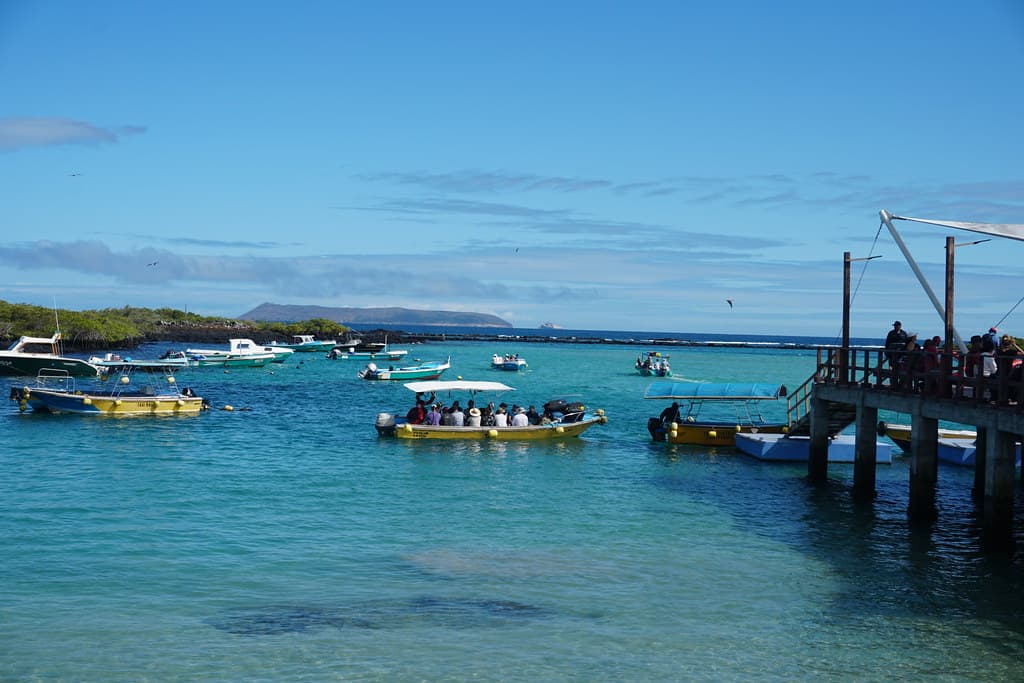 Credit: Flickr
Puerto Villamil, Isla Isabela (Albemarle), the Galápagos Islands, Ecuador.
The Cowes Jetty stretches seaward, its pylons wrapped in green weed and frequented by leather jackets that dart between the shadows. Families claim patches of sand beneath the pines, spreading picnic rugs while kids shuttle between shoreline and playground. Gulls patrol the tideline. The scent of salt mixes with fish and chips from the esplanade cafés. By late afternoon, the water takes on a pewter sheen, mirroring the sky as dinghies motor back to their moorings.
This is not a beach for drama or adrenaline. There are no crashing sets, no rockpools teeming with urchins, no cliffs for jumping. Instead, Cowes offers something rarer: a shoreline where a four-year-old can potter unsupervised in the shallows while you sip coffee ten meters away, where teenagers on paddleboards don't need to read swell charts, where grandparents wade without fear. The absence of hazard is the entire point.


