
Red Rocks Beach earns its name from the iron-rich sandstone that brackets the cove—walls striped in ochre, rust, and burnt sienna that flare brightest in the hour before dusk. You'll find this pocket of sand tucked below the clifftop path at Phillip Island's southern rim, where the Bass Strait rolls in with a rhythmic hush and the air carries the salt-and-kelp perfume of wild coastline. Families settle onto the tawny sand with picnic blankets while children crouch over tide pools, poking at bright green Neptune's necklace seaweed and watching crabs scuttle beneath ledges.
“Iron-rich sandstone cliffs glow rust and amber while wild little penguins waddle ashore at dusk, blending geology and wildlife in one secluded cove.”
 Credit: Flickr
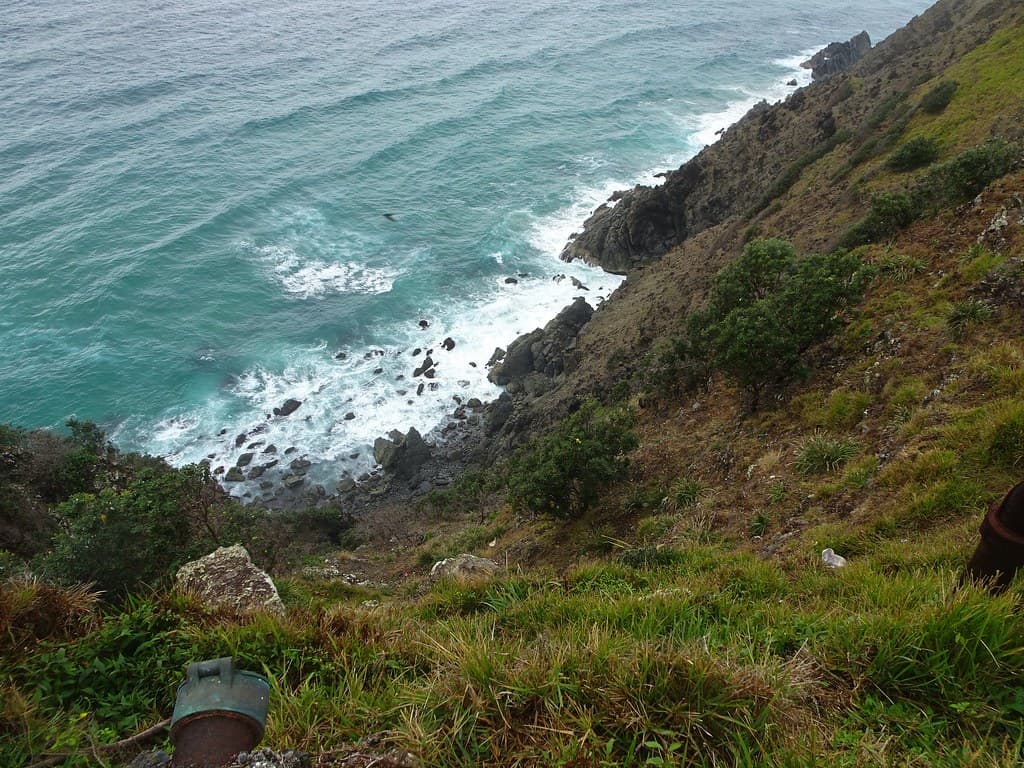
Cape Byron. The Pacific Ocean below this most easterly point of Australia.
The beach remains blissfully uncrowded even in peak summer, partly because the approach requires a short but steep staircase and partly because most visitors race toward the island's famous penguin parade a few kilometers west. That solitude is its greatest asset. You can spread out here, letting the low rumble of surf drown out everything else, or explore the rock platforms at either end when the tide retreats to reveal miniature underwater gardens of sponges and starfish.
Stay until twilight and you may spot the island's namesake little penguins—no taller than your shin—waddling ashore in twos and threes, their blue-gray feathers slick from a day's fishing. They nest in the dunes and vegetated slopes above, so tread quietly and keep torch beams low. The cliffs take on a deeper, wine-dark blush as the sun sinks, and the evening breeze off the strait carries a chill that reminds you this is Victoria's rugged edge, not a manicured resort.


