
Smiths Beach unfurls along Phillip Island's southwestern edge, where the Bass Strait funnels swells straight from Antarctica. The beach curves in a gentle arc between two rocky headlands, exposing a kilometer of firm sand that shifts from tawny to charcoal depending on the angle of late-afternoon light. Tea-tree thickets frame the access path, releasing medicinal scent when you brush past; look down and you'll spot wallaby prints pressed into the track.
“One of the few Bass Strait beaches where consistent offshore winds and rock-shelf bathymetry create intermediate-friendly reef-break conditions without the remoteness.”
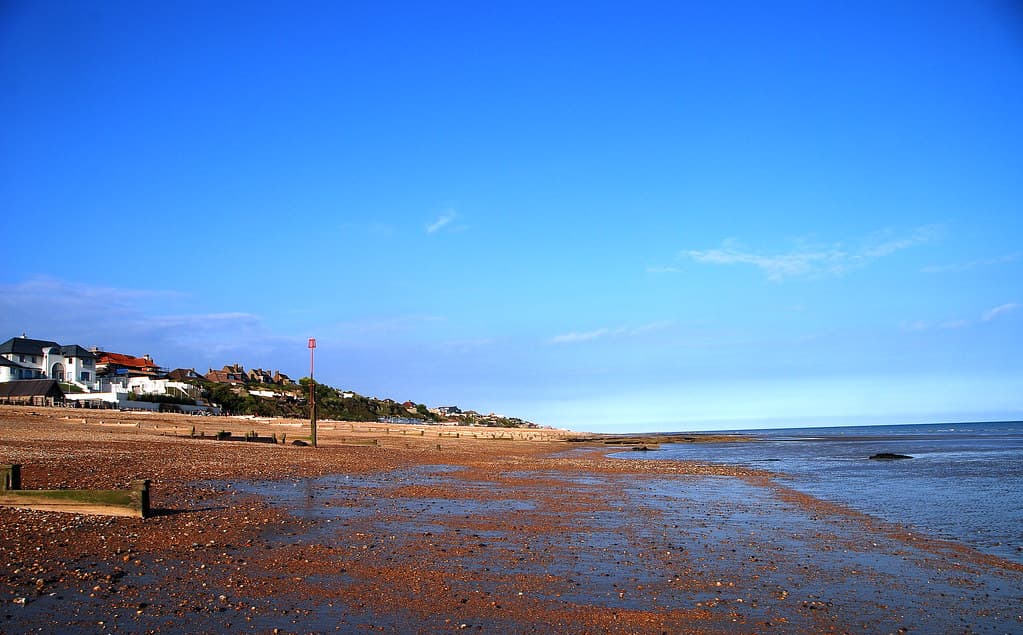 Credit: Flickr
The Turn of the Tide Down on Bexhill Beach
The waves arrive with mechanical consistency. Southwesterly groundswells refract around Cape Woolamai, organizing into lined-up sets that surfers paddle for in clusters near the southern rocks. Between sessions, you'll watch short-tailed shearwaters skim the surface in autumn, returning from Alaska to nest in the sandy hummocks above the tideline. Lifeguards patrol the patrolled zone in summer, posting flags where the rip currents run weakest.
Beyond the break, the coastline reveals its geology: hexagonal basalt columns, tide pools holding purple urchins, and blow holes that send plumes skyward when swells exceed two meters. The wind rarely stops—it sculpts the marram grass and keeps the beach emptier than it deserves, especially midweek when the Melbourne weekend crowds retreat. Pack layers; the temperature drops five degrees the moment you cross the dune line from the car park.


