
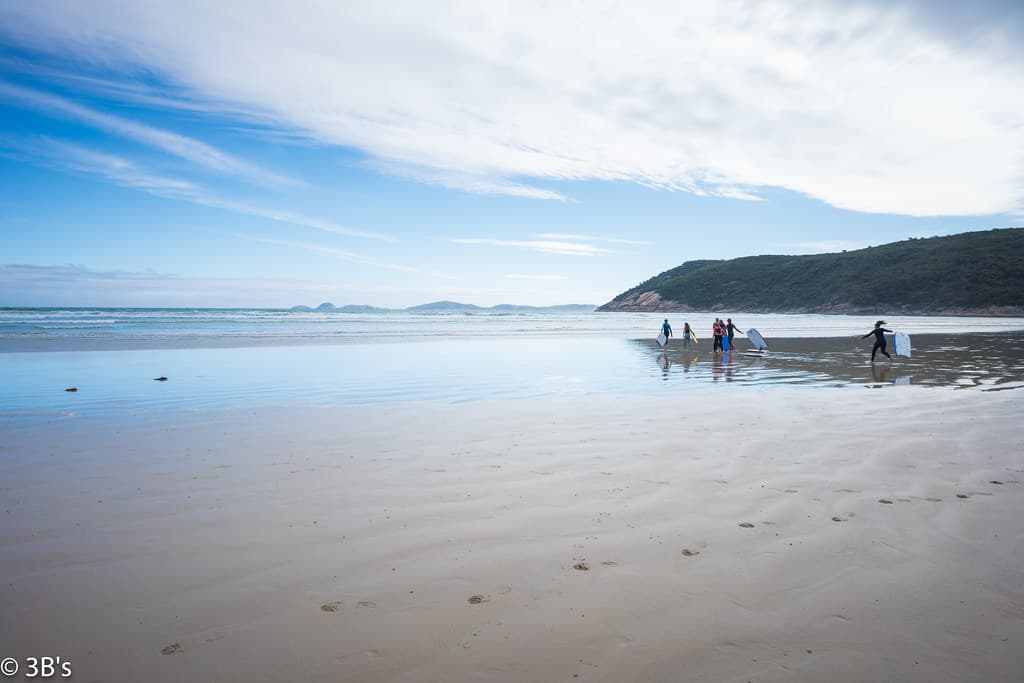
Norman Beach curves for nearly a kilometre along Tidal River, its ochre sand compressed by the weight of Bass Strait tides. You approach through banksia woodland that gives way suddenly to open shore, where wind-sculpted dunes slope toward water so cold it shocks even in January. The beach belongs to Wilsons Promontory National Park—Victoria's largest coastal wilderness—and the only accommodation nearby is the Tidal River campground, where canvas flaps against tent poles all night and native brush turkeys patrol the picnic tables at dawn.
“It's the only beach in Australia where wombats routinely cross the sand at dusk, emerging from coastal scrub to graze within metres of your campfire.”
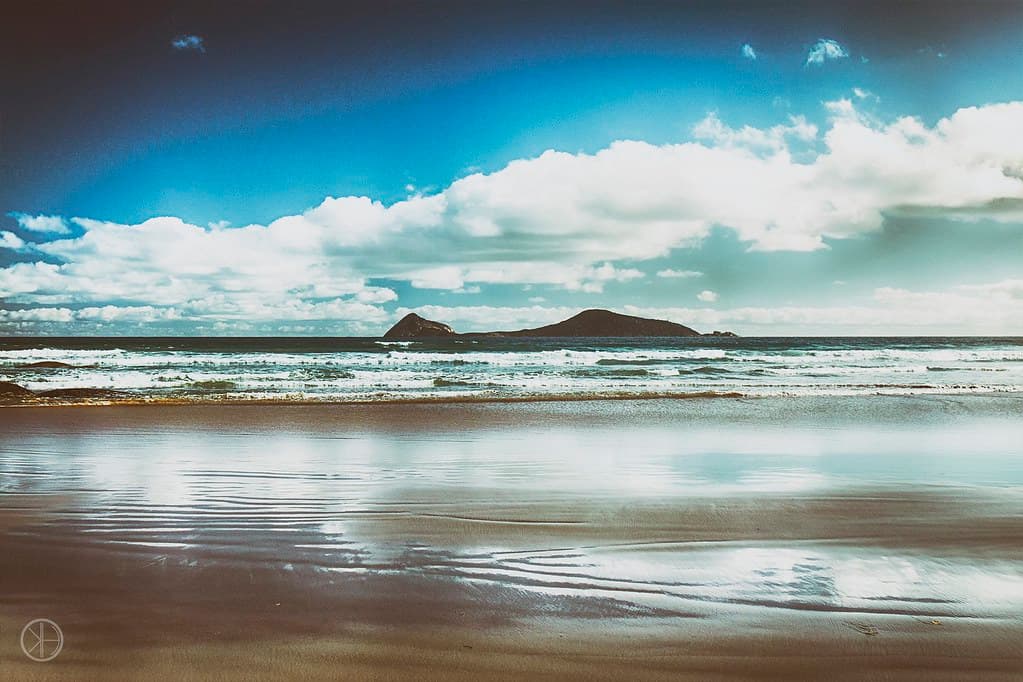 Credit: Flickr
Classic Norman Island
The appeal here isn't tropical warmth or postcard sunsets. It's the raw proximity to something unpolished: granite headlands stained orange with lichen, tide pools filled with periwinkles and anemones, the occasional echidna crossing the track behind the dunes. You share the strand with families who've been booking the same campsite for decades, their children bodysurfing the shore break in wetsuits while adults nurse thermoses of tea from fold-out chairs. The sand beneath your feet is coarse, flecked with shell fragments and strands of bull kelp.
By late afternoon the light turns honey-coloured, gilding the slopes of Mount Oberon to the east. You'll walk the firm sand at low tide, dodging the occasional stingray shadow in the shallows, and understand why Melburnians drive three hours for this particular stretch of shore: it remains defiantly itself, immune to boutique pretension.


