Counting the waves…
Counting the waves…
A refined fusion of water purity, environmental stability, and communal vibrancy for Polder Beach.
View MethodologyAnalyzed via live sensors and environmental data.
Wave height, wind, and atmospheric stability.
Live footfall and crowd balance metrics.
Community reviews and curated sentiment.
“You'll park beside a polder landscape so flat the horizon seems to curve, then cross a narrow dune ridge to discover a beach that feels wonderfully unfinished. Behind you: cows and herons. Before you: sand and tide and…”
Limited recent visitor reports — live OBI telemetry is your best guide for current conditions.
The approach tells you everything—no grand promenade, no villa district, just a narrow road threading through wetlands where Holstein cows lift their heads to watch your passage. The polder landscape sits below sea level, protected by dikes and dunes, its drainage ditches reflecting clouds that move fast across the Flemish sky. You park in a sandy lot where tufts of wild grass grow through cracked pavement, shoulder your bag, and climb the modest dune ridge that separates this reclaimed farmland from the ancient sea.
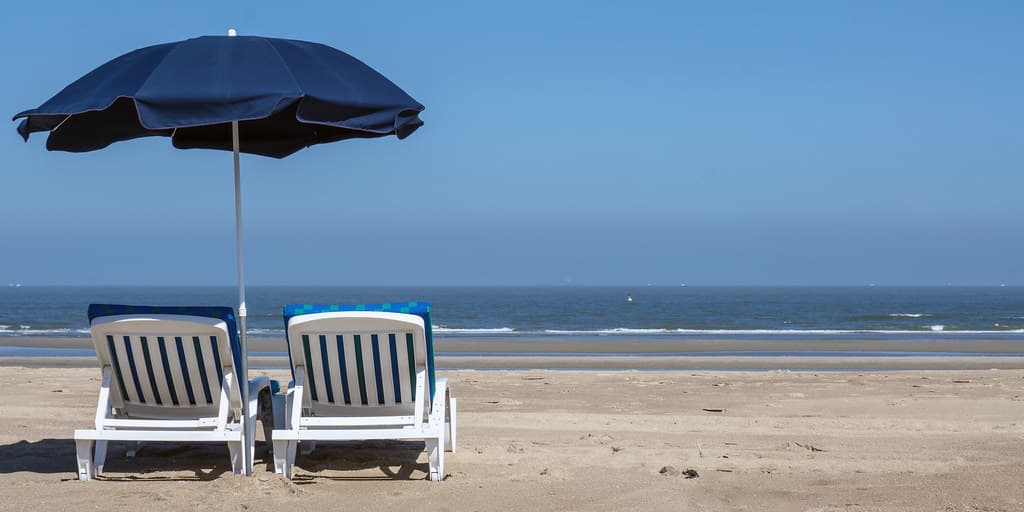
The beach reveals itself gradually as you crest the dunes: a sweep of tan sand scattered with tide-polished shells and driftwood arranged by winter storms. This is De Haan's quieter sibling, lacking the resort town's tidy rows of beach cabins and lifeguard stations. Instead, you find space—lateral space stretching toward Wenduine in one direction and central De Haan in the other, and vertical space in a sky that dominates every photograph you'll take. The few visitors tend toward the contemplative: birders with binoculars, artists with sketchbooks, families content to claim a windbreak and read while children splash.
 Credit: Unsplash
A view of a beach and ocean from a hill
 Credit: Unsplash
a view of a beach from a hill overlooking the ocean
Explore wetland trails behind dunes
Photograph herons and migratory species
Claim uncrowded expanses of sand
Prime Visitation
Best Weather
Where it is
Polder Beach
De Haan, West Flanders, Belgium
51.265000°, 3.113200°
Weather
Loading…
Swell
—
Temp
Warm · Restorative
UV Index
Moderate
Wind
—
Tidal State
Last known
Max Sunlight
—
Ideal Shade
—
May - Sep (Peak)
Jan - Dec (Off-season)
Historical data suggests peak visibility and stable sea temperatures occur during the prime visitation window.
Select a category to load nearby places.
Unlock restaurants, luxury stays and curated maritime experiences within 2km
Polder Beach is family-friendly and generally safe during monitored summer hours when lifeguards are present. The beach's natural setting and marshland surroundings create a unique environment that's excellent for nature exploration. Swimming conditions are typical for the Belgian coast with gentle slopes. Families particularly enjoy the area for nature walks and bird watching. Always supervise children near water and observe flag warnings. The less crowded nature of this beach allows for a more peaceful family experience focused on natural discovery.
Polder Beach is beautiful year-round, though June through August offers the warmest weather for beach activities. Spring and autumn are particularly rewarding for nature enthusiasts interested in the unique marshland ecosystem and bird watching. Summer provides full beach facilities while maintaining a quieter atmosphere than major resort beaches. The natural surroundings are especially scenic during migration seasons. For combining beach relaxation with nature walks through the polder landscape, late spring through early autumn offers ideal conditions and comfortable temperatures.
Polder Beach is accessible via De Haan train station, from where it's a pleasant walk or short bike ride through the town and natural areas. The coastal tram also serves De Haan, connecting to other Belgian beach towns. By car, follow signs to De Haan from the E40 motorway; parking is available near the beach. Cycling is highly recommended, with scenic paths through the polder landscape. The journey to the beach itself offers beautiful natural views, making the trip part of the experience.
De Haan town center, near Polder Beach, offers restaurants, cafes, and shops serving Belgian and seafood specialties. The area has a charming Belle Époque character with various dining options from casual to refined. Accommodation includes hotels, holiday apartments, and B&S with options for different budgets. De Haan is known for its well-preserved architecture and family-friendly atmosphere. Beach pavilions offer refreshments during summer. The town is smaller and quieter than major resorts, providing an authentic coastal village experience.
Polder Beach stands out for its exceptional natural environment and unique marshland setting, rare along developed coastlines. The beach provides access to polder landscapes featuring walking trails, diverse bird species, and protected natural areas. This combination of beach and nature reserve creates opportunities for both seaside relaxation and ecological exploration. The area is less commercialized than typical beach resorts, appealing to nature lovers and families seeking educational outdoor experiences. The surrounding dune and marshland ecosystems make it particularly special for those interested in coastal ecology and wildlife observation.
Photos