
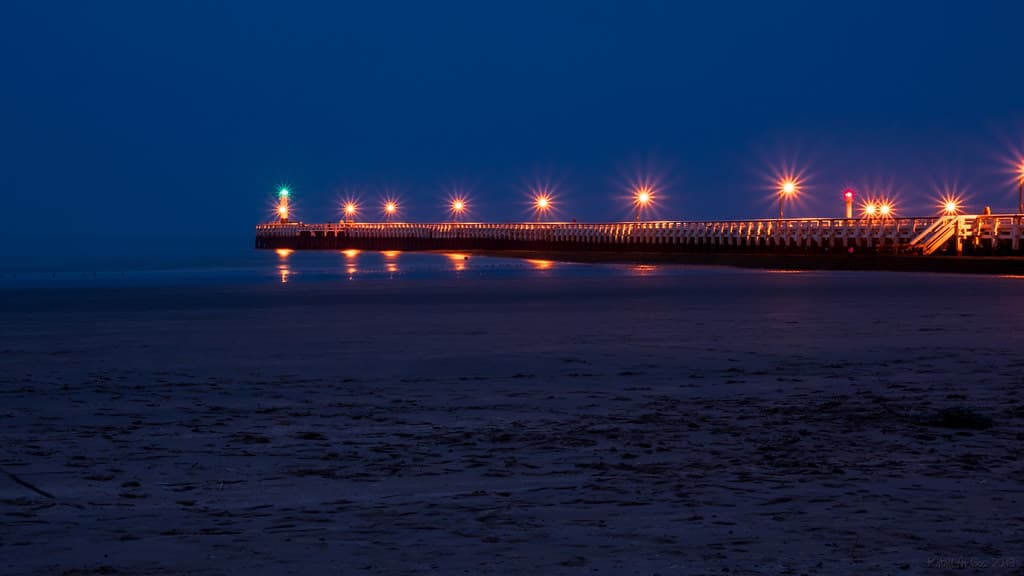
The central beach unfolds north of the harbor mouth in a sweep of sand backed by a promenade that doubles as stage and runway. You'll navigate between rental chairs organized in neat rows, their blue-and-white stripes replicating endlessly like a Magritte painting of beach infrastructure. Beach clubs announce themselves with chalkboard menus and raised terraces where waiters deliver trays of mussels and pils to customers who've claimed tables by draping them with towels and sunglasses. The air smells of tanning oil, salt water, and the perpetual frites from the stands that do business from breakfast through midnight.
“Belgium's most quintessentially Belgian beach experience—democratic, lively, commercial, and completely unpretentious about being all three.”
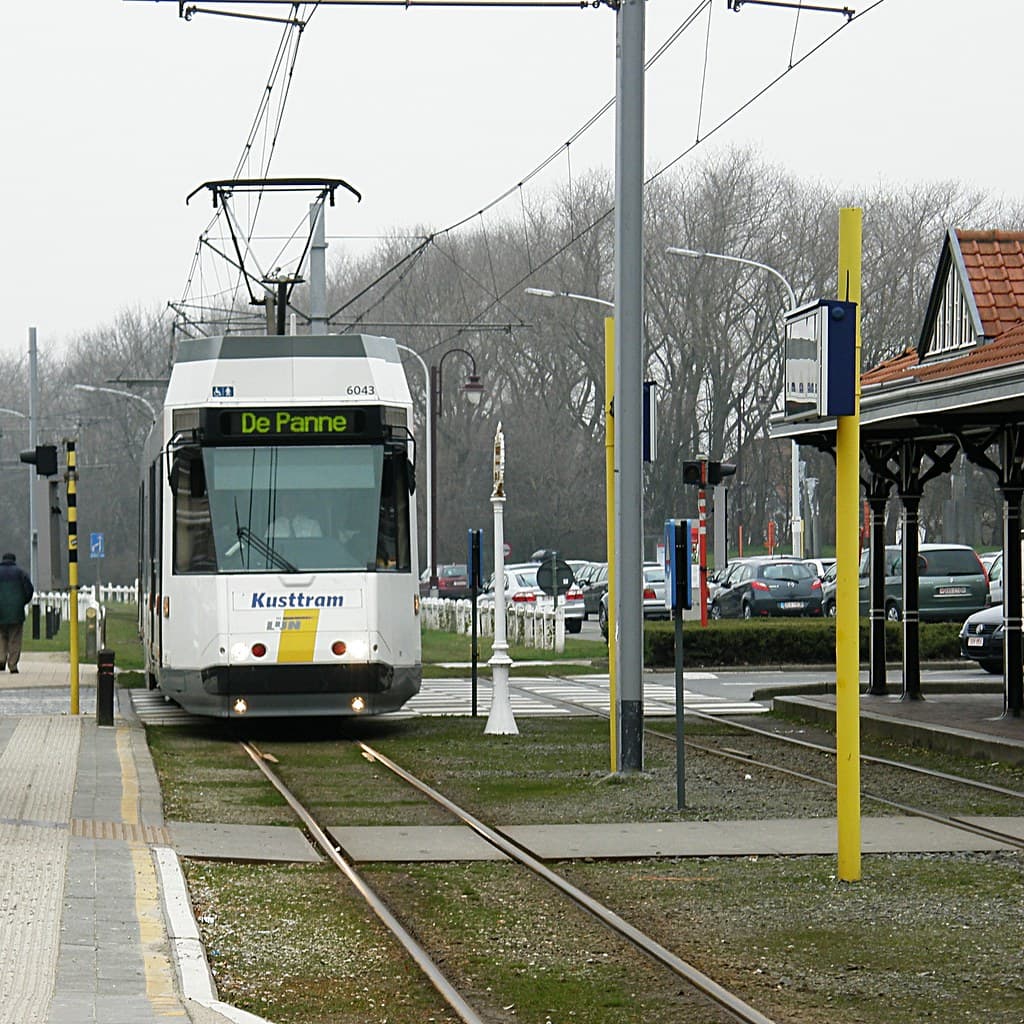 Credit: Flickr
Tramway de la côte belge / Kusttram / Coast tram
Despite—or because of—the crowds, Nieuwpoort Plage functions as the coast's democratic gathering place. Families from Brussels plant windbreaks and inflate paddling pools. Teenagers cluster near the volleyball nets, their bluetooth speakers competing with each other and the beach clubs' house music. Elderly couples occupy the same chairs they've rented every August for thirty years, watching the scene with expressions mixing contentment and bewilderment at how loud everything's become. The sea itself is almost incidental, though swimmers do brave the North Sea's chill, shrieking as they hit the water before acclimating to temperatures that never quite qualify as warm.
As afternoon slides toward evening, the beach reveals its best self. The heat relents, families pack up gear and tired children, and the remaining crowd assumes a different character. Young couples walk the waterline. The beach clubs' terraces fill with dinner crowds, and the volleyball nets come down. The sky begins its transition through rose and violet, the sun dropping behind the apartment towers while the last swimmers towel off and fishing boats return to harbor, their running lights tiny stars against the darkening water.


