

The beach sprawls where the river mouth punches into the Atlantic, its white sand coarse with shell fragments that crunch underfoot. You'll notice the water changes color in distinct bands—muddy brown where the Paraíba current runs strong, then a ribbon of jade where fresh and salt water mix, finally deepening to indigo beyond the break. Surfers dot the lineup at dawn, paddling hard against the outgoing current, waiting for sets that jack up suddenly over the shifting sandbars.
“The river current creates constantly morphing sandbars that reshape the surf break with each tide cycle, making no two sessions identical.”
 Credit: Unsplash
Palm trees framing a sunset shore
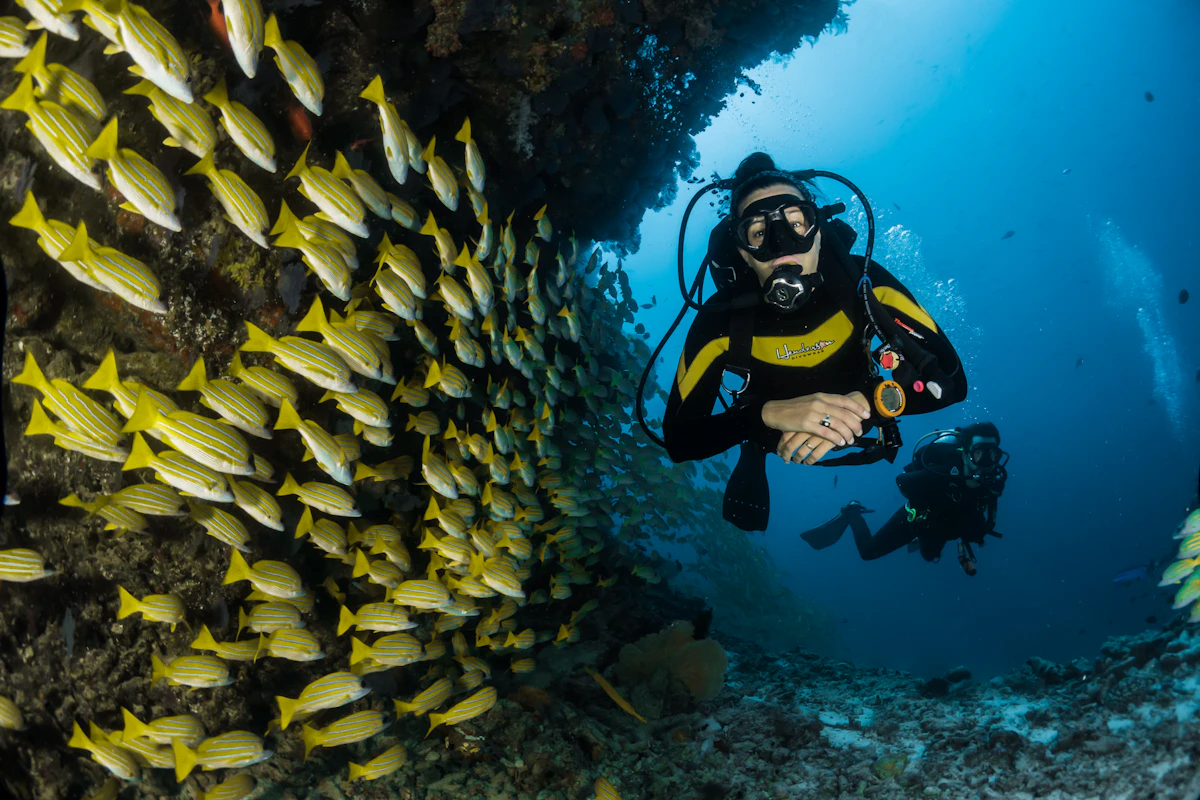
Between waves, you can snorkel the northern tide pools where the rocky river jetty creates shelter from the current. Sergeant majors and juvenile parrotfish dart through submerged stones, unbothered by your shadow. The water temperature hovers at twenty-six degrees year-round, warm enough that locals surf in boardshorts while you debate whether the rash guard is really necessary. By midday, the current slackens near high tide and the pools fill with families, children shrieking when hermit crabs scuttle across their feet.
As afternoon softens into evening, the surf crowd paddles in and rinses boards at the beachfront showers, salt drying in white streaks across tanned shoulders. You'll find them at the barraca tables, sharing acai bowls and rehydrating with coconut water, debating whether tomorrow's swell will hold. The sunset here lacks the Bolero ceremony of neighboring Jacaré—just quiet orange light spreading across wet sand, the river mouth gleaming like a knife blade pointed inland.


