Counting the waves…
Counting the waves…
A refined fusion of water purity, environmental stability, and communal vibrancy for De Salis Bay Beach.
View MethodologyAnalyzed via live sensors and environmental data.
Wave height, wind, and atmospheric stability.
Live footfall and crowd balance metrics.
Community reviews and curated sentiment.
“Tucked away on Banks Island, De Salis Bay Beach offers a surprising expanse of soft sand, a rare find amidst the rugged Arctic coastline. Here, the vastness of the polar landscape meets the gentle texture of a beach,…”
Limited recent visitor reports — live OBI telemetry is your best guide for current conditions.
De Salis Bay Beach on Banks Island presents a remarkable contrast to the typical Arctic landscape. Instead of jagged rocks or endless ice, you'll find stretches of fine, golden sand, a gentle invitation to pause and absorb the profound quiet. The air, crisp and clean, carries the faint scent of tundra and salt, a sensory signature of this remote northern reach.
This isn't a beach for sunbathing in the traditional sense, but rather a place for profound connection with the wild. The sandy patches offer a soft landing for your gaze, leading your eye towards the vast expanse of the Arctic Ocean. Keep watch for the occasional polar bear print or the distant silhouette of a muskox grazing on the tundra beyond the dunes.
 Credit: Unsplash
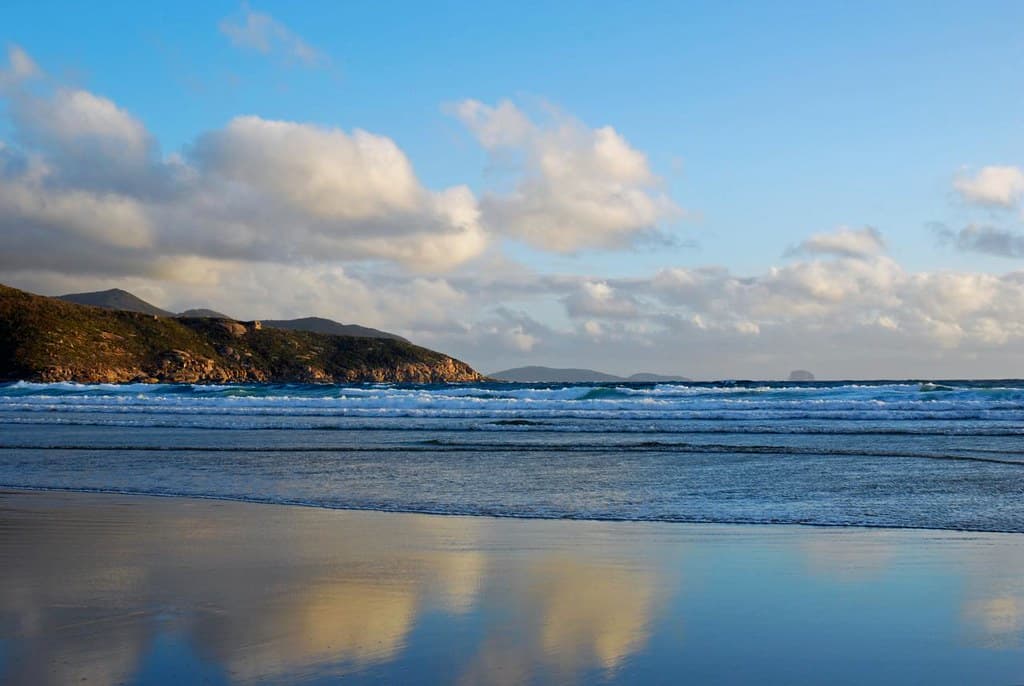
A sandy beach with a cliff in the background
 Credit: Unsplash
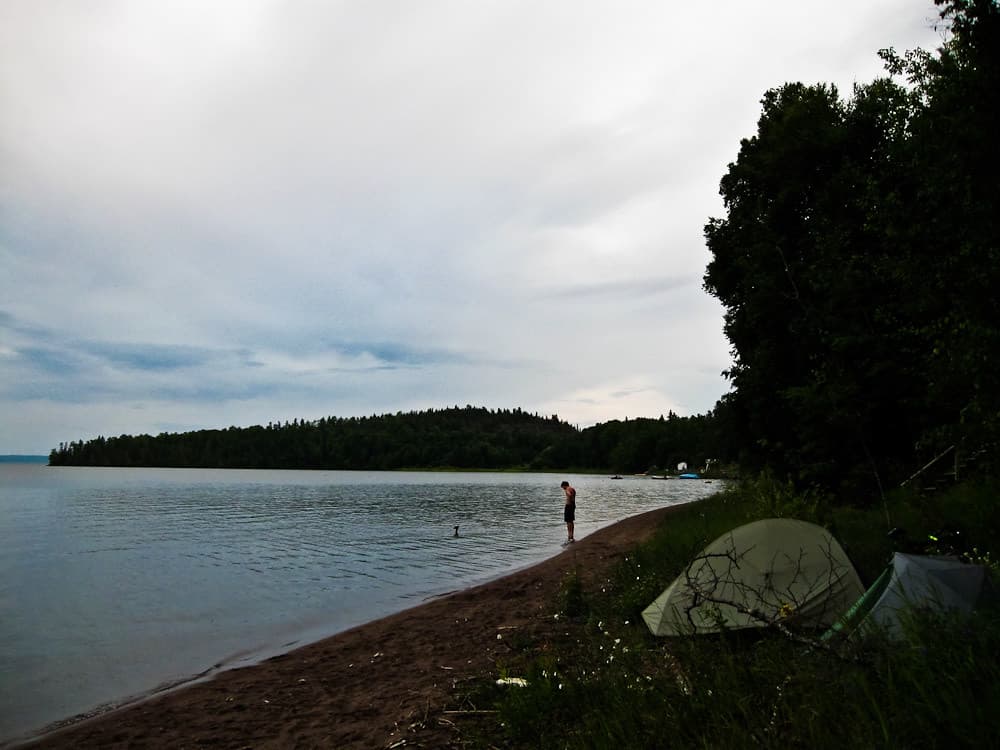
a view of a beach with waves coming in to shore
Stroll along the unique sandy beach
Capture the vast bay and tundra
Look for muskox and polar bears
Prime Visitation
Less Crowds
Where it is
De Salis Bay Beach
Banks Island, Northwest Territories, Canada
71.050000°, -119.200000°
Weather
Loading…
Swell
—
Temp
Warm · Restorative
UV Index
Moderate
Wind
—
Tidal State
Last known
Max Sunlight
—
Ideal Shade
—
May - Sep (Peak)
Jan - Dec (Off-season)
Historical data suggests peak visibility and stable sea temperatures occur during the prime visitation window.
Select a category to load nearby places.
Unlock restaurants, luxury stays and curated maritime experiences within 2km
Swimming at De Salis Bay Beach is highly discouraged due to the dangerously cold Arctic waters, which can cause hypothermia very quickly. The remote location on Banks Island means emergency services are virtually non-existent. Visitors must be prepared for potential encounters with Arctic wildlife, particularly polar bears, and should carry appropriate safety equipment and travel with experienced guides.
The best time to visit De Salis Bay Beach for fewer crowds is during the short Arctic summer, typically from late June to August. Even during this period, Banks Island sees extremely few visitors, ensuring a highly secluded experience. Traveling outside of these months would present significant logistical and survival challenges due to extreme cold and ice conditions, making summer the most feasible, yet still very quiet, option.
Access to De Salis Bay Beach on Banks Island is extremely difficult. It generally requires chartering a flight to Sachs Harbour, the only community on Banks Island. From Sachs Harbour, further specialized transportation, such as snowmobile in winter or ATV/boat in summer, would be necessary to reach De Salis Bay, depending on the season and local conditions. This is not a destination for independent public travel.
There are no established lodging or dining facilities directly at De Salis Bay Beach. Visitors must be entirely self-sufficient, bringing all necessary camping equipment, food, and supplies for their expedition. The nearest community, Sachs Harbour, offers very limited basic services. Any visit to De Salis Bay requires extensive planning for wilderness survival and logistical support, as it is a truly wild area.
De Salis Bay Beach is unique for its status as a little-known bay on Banks Island, featuring natural sandy patches along its Arctic coastline. Its extreme remoteness ensures a pristine, untouched environment, offering a rare opportunity to experience true Arctic wilderness. The wild and isolated nature of this beach makes it a significant destination for those seeking unparalleled solitude and a glimpse into an undisturbed Arctic ecosystem.
Photos