
Counting the waves…
Counting the waves…
A refined fusion of water purity, environmental stability, and communal vibrancy for Cape Parry Coastal Beach.
View MethodologyAnalyzed via live sensors and environmental data.
Wave height, wind, and atmospheric stability.
Live footfall and crowd balance metrics.
Community reviews and curated sentiment.
“Stand on the edge of the world at Cape Parry Coastal Beach, a place where the land ends in dramatic cliffs and the sea stretches to the horizon. This isn't a beach for sunbathing, but for witnessing the planet's…”
Limited recent visitor reports — live OBI telemetry is your best guide for current conditions.
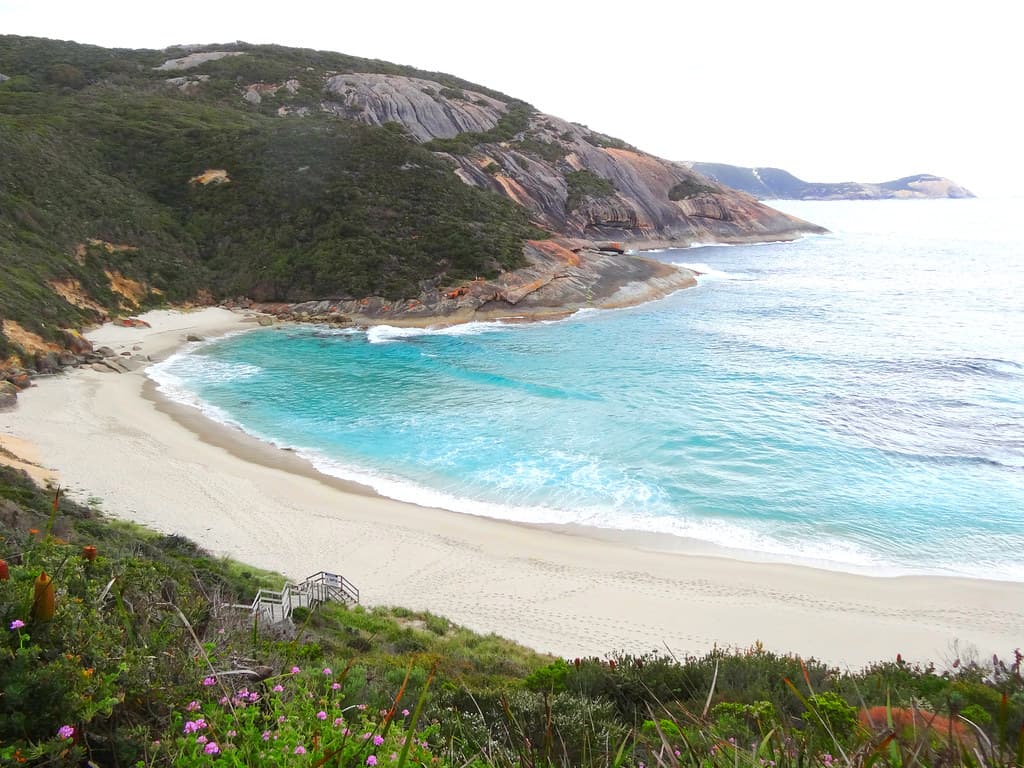
Imagine a coastline carved by millennia of ice and wind, where the earth's bones are laid bare. Cape Parry Coastal Beach offers just that: a rugged expanse of rock, not sand, where the Amundsen Gulf crashes against ancient formations. This is a place of profound solitude, where the only sounds are the gulls' cries and the rhythmic pulse of the waves.
Here, the drama of the Arctic unfolds before you. Towering cliffs plunge into the frigid water, creating a formidable barrier against the elements. You'll find yourself dwarfed by the sheer scale of the landscape, a humbling experience that connects you directly to the planet's wild heart. The air, crisp and clean, carries the scent of salt and tundra.
Dramatic cliffs, endless sea
Rugged, windswept paths
Paddle along the cliffs
Prime Visitation
Best Weather
Where it is
Cape Parry Coastal Beach
Cape Parry, Northwest Territories, Canada
70.170000°, -124.680000°
Weather
Loading…
Swell
—
Temp
Warm · Restorative
UV Index
Moderate
Wind
—
Tidal State
Last known
Max Sunlight
—
Ideal Shade
—
May - Sep (Peak)
Jan - Dec (Off-season)
Historical data suggests peak visibility and stable sea temperatures occur during the prime visitation window.
Select a category to load nearby places.
Unlock restaurants, luxury stays and curated maritime experiences within 2km
Cape Parry Coastal Beach is a rocky Arctic shoreline, and the water is extremely cold year-round, making swimming impractical and dangerous due to hypothermia risks. The rugged nature of the coast and potential strong currents also advise against entering the water. Visitors should focus on enjoying the dramatic scenery and wildlife viewing from the shore, rather than water activities.
The 'Best Weather' period, typically during the short Arctic summer (late June to August), is the most suitable time to visit. During these months, temperatures are at their highest, and the long daylight hours provide ample opportunity to explore and appreciate the dramatic coastal views. Outside of this window, conditions can be extremely harsh, with heavy snow and ice.
Cape Parry is an extremely remote location in the Northwest Territories. Access is highly challenging and typically involves specialized charters. There is an airstrip at Cape Parry (often associated with a former DEW Line site), which might be accessible via chartered flights from larger Arctic hubs. Overland travel is generally not feasible. Visitors should plan with experienced Arctic tour operators.
Cape Parry is a very remote and uninhabited location, so there are no public food or lodging options available. Any visit would require self-sufficiency, bringing all necessary provisions, and potentially camping in a wilderness setting with appropriate permits and safety precautions. Visitors typically access this area as part of an organized expedition or research trip, which would include logistical support.
Cape Parry Coastal Beach is unique for its prominent Arctic headland, offering rugged shoreline and dramatic coastal views in an incredibly remote setting. Its appeal lies in experiencing the raw, untouched beauty of the High Arctic, with opportunities for wildlife viewing (such as marine mammals and birds) and witnessing the stark, powerful landscapes shaped by ice and sea. It's a destination for true adventurers.