


Counting the waves…
Counting the waves…
A refined fusion of water purity, environmental stability, and communal vibrancy for Tuktoyaktuk Beach.
View MethodologyAnalyzed via live sensors and environmental data.
Wave height, wind, and atmospheric stability.
Live footfall and crowd balance metrics.
Community reviews and curated sentiment.
“Step onto Tuktoyaktuk Beach, the most recognized Arctic Ocean shoreline in the Northwest Territories. This isn't just a stretch of sand; it's a living canvas of cultural and geographic significance, where the Beaufort…”
Limited recent visitor reports — live OBI telemetry is your best guide for current conditions.
Tuktoyaktuk Beach stands as the most recognized Arctic Ocean shoreline in the Northwest Territories, a place where the vast Beaufort Sea meets a community steeped in history and culture. This sandy stretch is more than just a beach; it's a landmark, offering a tangible connection to the Arctic's enduring spirit. The sand, fine and cool, stretches along the edge of the hamlet, inviting you to walk where generations have walked before.
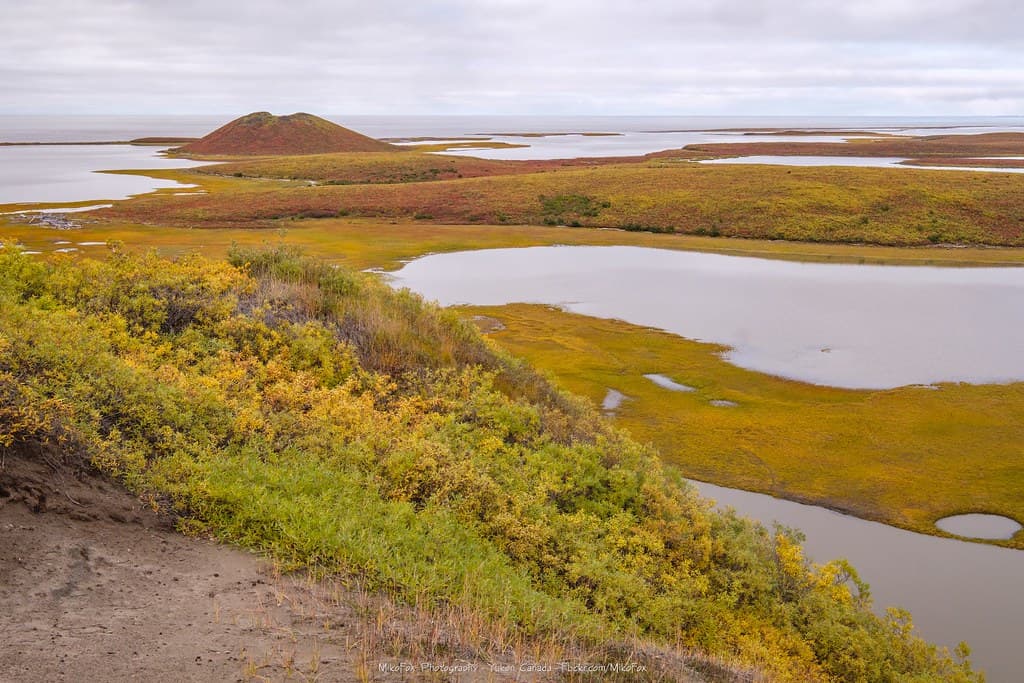
During the best weather, the sun illuminates the iconic pingos that dot the landscape, natural ice-cored hills unique to this region. From the shore, you can gaze out at the endless expanse of the Arctic Ocean, a body of water that has shaped the lives and traditions of the Inuvialuit people for millennia. The air carries the scent of the sea, mingled with the subtle aroma of tundra.
Photograph unique landforms
Walk the Arctic shore
Experience local life
Prime Visitation
Best Weather
Where it is
Tuktoyaktuk Beach
Tuktoyaktuk, Northwest Territories, Canada
69.445000°, -133.037000°
Weather
Loading…
Swell
—
Temp
Warm · Restorative
UV Index
Moderate
Wind
—
Tidal State
Last known
Max Sunlight
—
Ideal Shade
—
May - Sep (Peak)
Jan - Dec (Off-season)
Historical data suggests peak visibility and stable sea temperatures occur during the prime visitation window.
Select a category to load nearby places.
Unlock restaurants, luxury stays and curated maritime experiences within 2km
Swimming at Tuktoyaktuk Beach is generally not recommended due to the extremely cold Arctic Ocean temperatures, which pose a significant risk of hypothermia. While some locals may briefly dip, it's not a typical swimming beach. Safety concerns also include potential strong currents and the presence of Arctic wildlife, such as polar bears. Visitors should exercise caution and prioritize staying warm and dry.
The best time to visit Tuktoyaktuk Beach is during the summer months, typically from late June to August. This period offers the mildest temperatures, extended daylight hours, and the most accessible conditions for exploring the area. The Inuvik-Tuktoyaktuk Highway is open year-round, but summer provides the most comfortable travel and outdoor experience, allowing visitors to fully appreciate the Arctic coastline.
Tuktoyaktuk Beach is located in the Hamlet of Tuktoyaktuk. Visitors can fly into Inuvik, Northwest Territories, and then drive the Inuvik-Tuktoyaktuk Highway, which provides year-round access. Alternatively, short flights from Inuvik to Tuktoyaktuk are also available. Once in Tuktoyaktuk, the beach is easily accessible within the community, often within walking distance from local accommodations.
Lodging and dining options are available within the Hamlet of Tuktoyaktuk. Accommodation typically includes guesthouses or small hotels, offering a comfortable stay in this remote community. Dining options are limited but provide local cuisine, often featuring Arctic char and other regional specialties. It is advisable to book accommodations and inquire about dining in advance, especially during the peak summer travel season.
Tuktoyaktuk Beach is the most recognized Arctic Ocean shoreline in the NWT, holding significant cultural and geographic importance. It marks the northernmost point of Canada accessible by road, making it a symbolic destination. Culturally, it's integral to the Inuvialuit people, offering insights into their traditional way of life. Geographically, it provides classic Beaufort Sea views and is known for its unique pingo landscape.
Photos