
Counting the waves…
Counting the waves…
A refined fusion of water purity, environmental stability, and communal vibrancy for Melville Island Shoreline.
View MethodologyAnalyzed via live sensors and environmental data.
Wave height, wind, and atmospheric stability.
Live footfall and crowd balance metrics.
Community reviews and curated sentiment.
“Melville Island Shoreline invites you to explore an immense, rarely visited Arctic coast, a place where the scale of nature is truly humbling. Imagine a rugged expanse of land and sea, shaped by millennia of ice and…”
Limited recent visitor reports — live OBI telemetry is your best guide for current conditions.
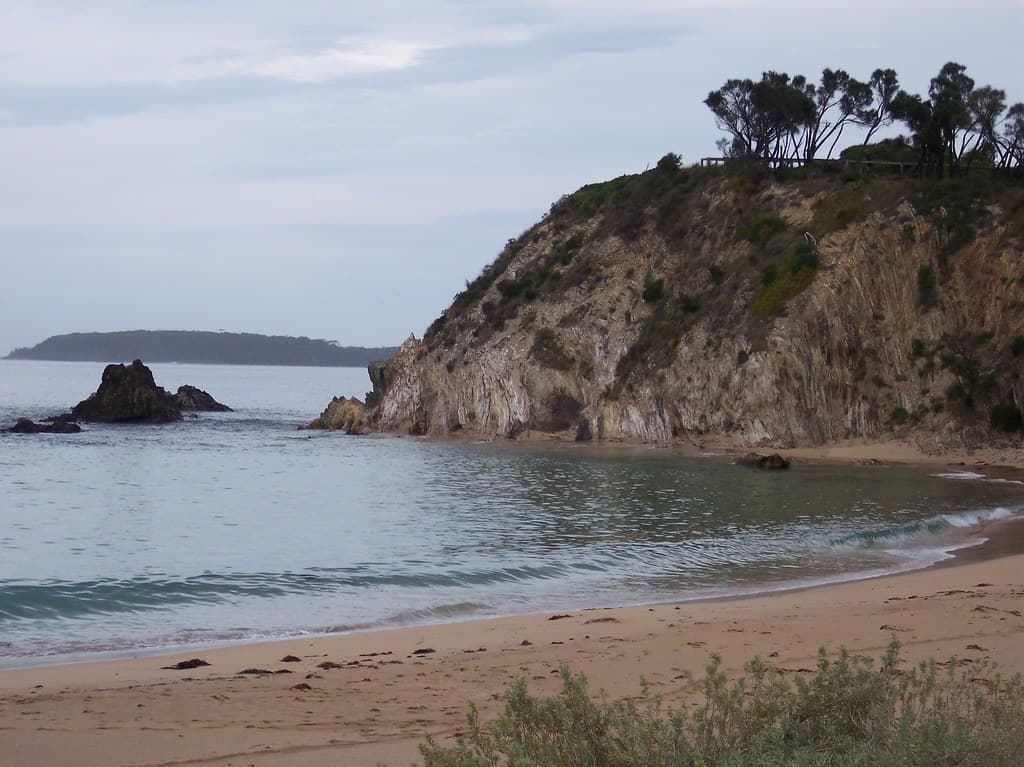
The shoreline of Melville Island is a testament to the sheer scale and raw power of the Arctic. Here, the land unfurls in vast, sweeping expanses of rock and tundra, meeting the frigid waters of the Arctic Ocean in a dramatic, untamed embrace. The air is sharp and clean, carrying the invigorating scent of salt and distant ice, a constant reminder of your northern latitude.
You'll find the silence here to be profound, broken only by the natural symphony of the elements: the gentle lapping of waves against the shore, the distant cry of a seabird, or the subtle crackle of ice. The light, even under the summer sun, paints the landscape in ever-changing hues, from steely grey to soft gold, creating a photographer's dream at every turn.
Credit: FlickrExpansive Trekking
Explore vast Arctic landscapes
Capture epic Arctic vistas
Muskox, caribou, polar bears
Prime Visitation
Best Weather
Where it is
Melville Island Shoreline
Resolute, Nunavut, Canada
75.500000°, -110.000000°
Weather
Loading…
Swell
—
Temp
Warm · Restorative
UV Index
Moderate
Wind
—
Tidal State
Last known
Max Sunlight
—
Ideal Shade
—
May - Sep (Peak)
Jan - Dec (Off-season)
Historical data suggests peak visibility and stable sea temperatures occur during the prime visitation window.
Select a category to load nearby places.
Unlock restaurants, luxury stays and curated maritime experiences within 2km
Swimming at Melville Island Shoreline is generally not recommended due to the extremely cold Arctic waters and potential presence of wildlife. The water temperatures are consistently near freezing, even during the warmest months. The shoreline is rocky, and currents can be unpredictable. Visitors should prioritize safety and focus on enjoying the unique Arctic landscape from a distance rather than entering the water.
The best time to visit Melville Island Shoreline for optimal weather is typically during the brief Arctic summer, which usually spans from late June to August. During this period, temperatures are at their highest, and there's continuous daylight. This window offers the most accessible conditions for travel and exploration, though visitors should still be prepared for cold temperatures, strong winds, and sudden weather changes.
Accessing Melville Island Shoreline requires significant planning due to its remote High Arctic location. Most visitors arrive via chartered flights to Resolute, Nunavut, which serves as a gateway. From Resolute, further specialized transportation, such as ice-strengthened vessels or expedition cruises, is necessary to reach Melville Island. Independent travel is extremely challenging and not advised without expert guidance and robust logistical support.
There are no permanent food or lodging facilities directly on Melville Island Shoreline. Visitors typically stay on expedition cruise ships that include Melville Island in their itinerary, or arrange for specialized Arctic expedition camps. All food, shelter, and supplies must be brought in, and self-sufficiency is paramount. Resolute, Nunavut, offers very limited basic accommodations and services, primarily for transit.
Melville Island Shoreline stands out for its vast, untouched quality and its status as a truly hidden and remote Arctic destination. Its rocky coast offers a raw, pristine glimpse into the High Arctic environment, rarely disturbed by human presence. The sheer scale of the landscape and the potential for spotting unique Arctic wildlife in their natural habitat make it an unparalleled experience for those seeking extreme wilderness.
Photos