Counting the waves…
Counting the waves…
A refined fusion of water purity, environmental stability, and communal vibrancy for Playa Dos Hermanas.
View MethodologyAnalyzed via live sensors and environmental data.
Wave height, wind, and atmospheric stability.
Live footfall and crowd balance metrics.
Community reviews and curated sentiment.
“Imagine a landscape sculpted by millennia of wind and sea, where granite spires pierce the sky and the air carries the scent of salt and ancient earth. Playa Dos Hermanas isn't just a beach; it's a dramatic stage set by…”
Limited recent visitor reports — live OBI telemetry is your best guide for current conditions.
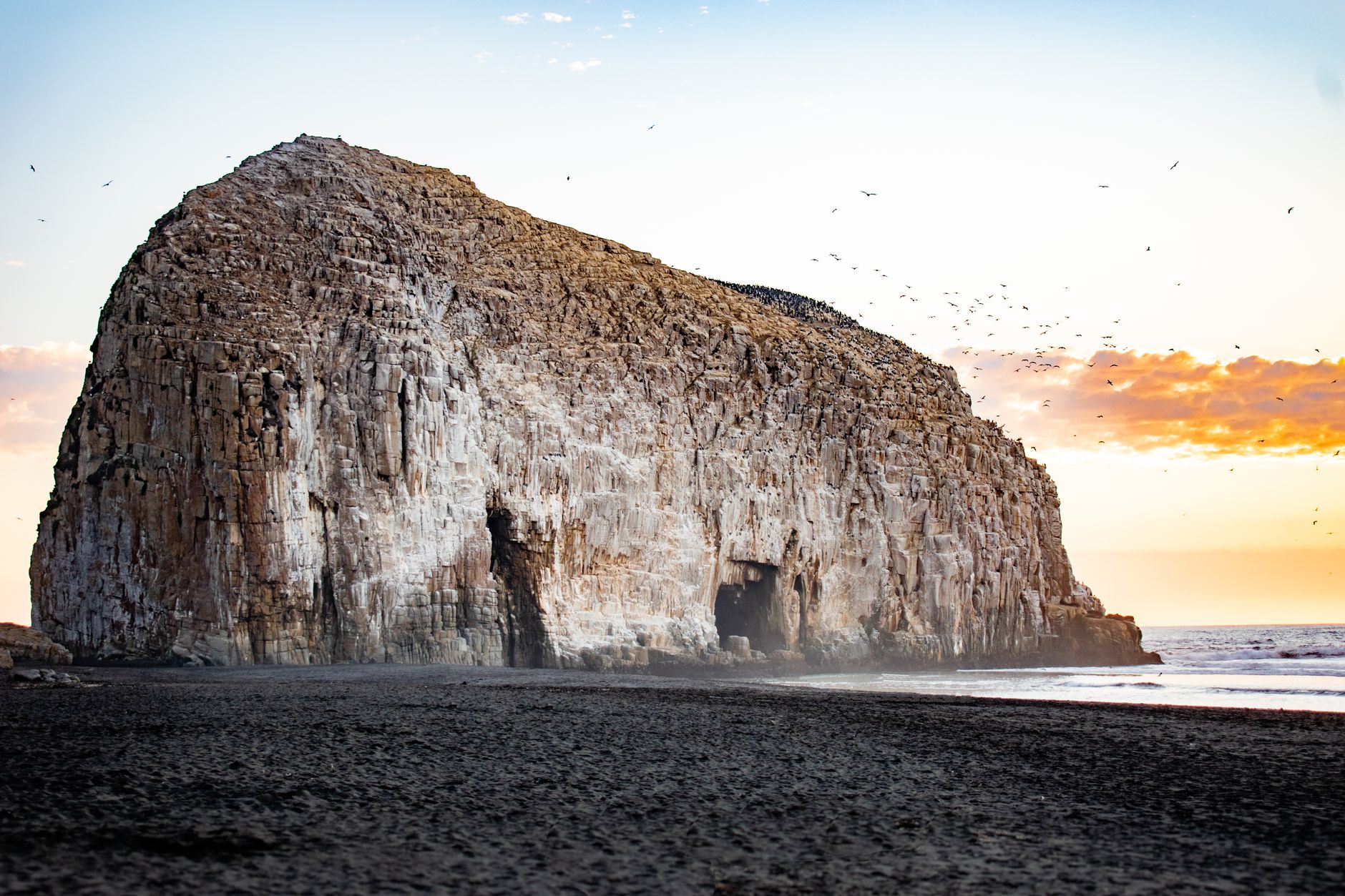
At the very edge of the world, where the Atlantic and Pacific wrestle for dominance, lies Playa Dos Hermanas. This isn't a place for sunbathing or gentle dips; it's a testament to the planet's formidable power, a landscape that demands respect and awe. Two colossal rock formations, the 'Two Sisters,' stand as silent sentinels, their weathered faces telling tales of countless storms and the relentless march of time. The sand here is a coarse canvas, often strewn with kelp and smoothed stones, each a relic of the powerful tides.
The air, crisp and invigorating, carries the tang of the ocean and the distant cry of seabirds. Overhead, the Patagonian sky, often a dramatic tapestry of shifting clouds, casts ever-changing light upon the scene, transforming the granite to hues of grey, ochre, and deep purple. This is a place where the horizon feels infinite, and the only sounds are the roar of the surf and the whisper of the wind through sparse, hardy vegetation.
Capture dramatic landscapes
Explore rugged terrain
Spot seabirds
Prime Visitation
Best Weather
Where it is
Playa Dos Hermanas
Cabo de Hornos, Magallanes, Chile
-54.603900°, -68.510000°
Weather
Loading…
Swell
—
Temp
Warm · Restorative
UV Index
Moderate
Wind
—
Tidal State
Last known
Max Sunlight
—
Ideal Shade
—
Jan - Dec (Peak)
Mar - Nov (Off-season)
Historical data suggests peak visibility and stable sea temperatures occur during the prime visitation window.
Select a category to load nearby places.
Unlock restaurants, luxury stays and curated maritime experiences within 2km
Swimming at Playa Dos Hermanas is generally not recommended due to the extremely cold waters of the southern Chilean coast, strong currents, and unpredictable weather conditions typical of the Cabo de Hornos region. Water temperatures rarely exceed 8-10°C even in summer. The beach is primarily valued for its dramatic scenery and photography opportunities rather than water activities. Always check local conditions and never enter the water alone in this remote area.
The best time for photography is during the austral summer months (December to February) when you'll have longer daylight hours and relatively better weather conditions. Golden hour photography works well here, though weather in Cabo de Hornos is notoriously unpredictable year-round. Be prepared for sudden changes and bring weather-resistant camera equipment. Wind can be strong at any time, so plan for flexible shooting schedules and multiple visits if possible.
Reaching Playa Dos Hermanas requires significant planning as Cabo de Hornos is one of the world's most remote areas. Most visitors access the region via organized expedition cruises from Punta Arenas or Ushuaia, or through specialized charter boats. There are no roads to this location. Weather conditions often affect landing possibilities, so flexible itineraries are essential. Consult with experienced tour operators familiar with the extreme southern Chilean channels and conditions.
There are no accommodations, restaurants, or facilities at or near Playa Dos Hermanas due to its extreme remoteness in the Cabo de Hornos region. Visitors typically stay aboard expedition cruise ships or chartered vessels that serve as floating bases with meals and lodging included. The nearest town with basic services is Puerto Williams on Isla Navarino, several hours away by boat. All provisions must be brought with you or arranged through tour operators.
Playa Dos Hermanas offers dramatic, end-of-the-world scenery with rugged coastlines, pristine wilderness, and unique southern Chilean landscapes that are rarely photographed due to limited access. The raw, untouched nature, dramatic rock formations, and moody atmospheric conditions create stunning visual opportunities. The extreme remoteness adds authenticity to images. Wildlife such as seabirds and marine mammals occasionally appear, adding interest. The beach's isolation means you'll likely have the entire scene to yourself for unique compositions.
Photos