

You scramble down the rocky path to Playa de los Gringos as afternoon tips toward evening, the hour when the light begins its slow transformation. The beach is more stone than sand—dark volcanic rock worn smooth by millennia of waves, creating tide pools that mirror the changing sky. White sand collects in protected pockets between boulders, just enough to spread a towel if you're strategic about placement. The Pacific crashes against offshore formations with percussion that resonates in your chest.
“The convergence of river mouth, rocky headland, and Pacific horizon creates sunset light shows unmatched elsewhere on the Maule coast.”
 Credit: Unsplash
Aerial view of turquoise tropical bay
This isn't a swimming beach. The current where river meets ocean creates treacherous hydraulics, and the rocks extend far enough offshore to make navigation dangerous. But the views—the views are what draw you back. To the south, the Maule River mouth spreads wide, its brown freshwater bleeding into blue salt. To the north, the coastline extends in a series of headlands that fade to purple in the distance. Pelicans cruise the updrafts where wind hits the cliff face, and you can smell eucalyptus mixing with kelp.
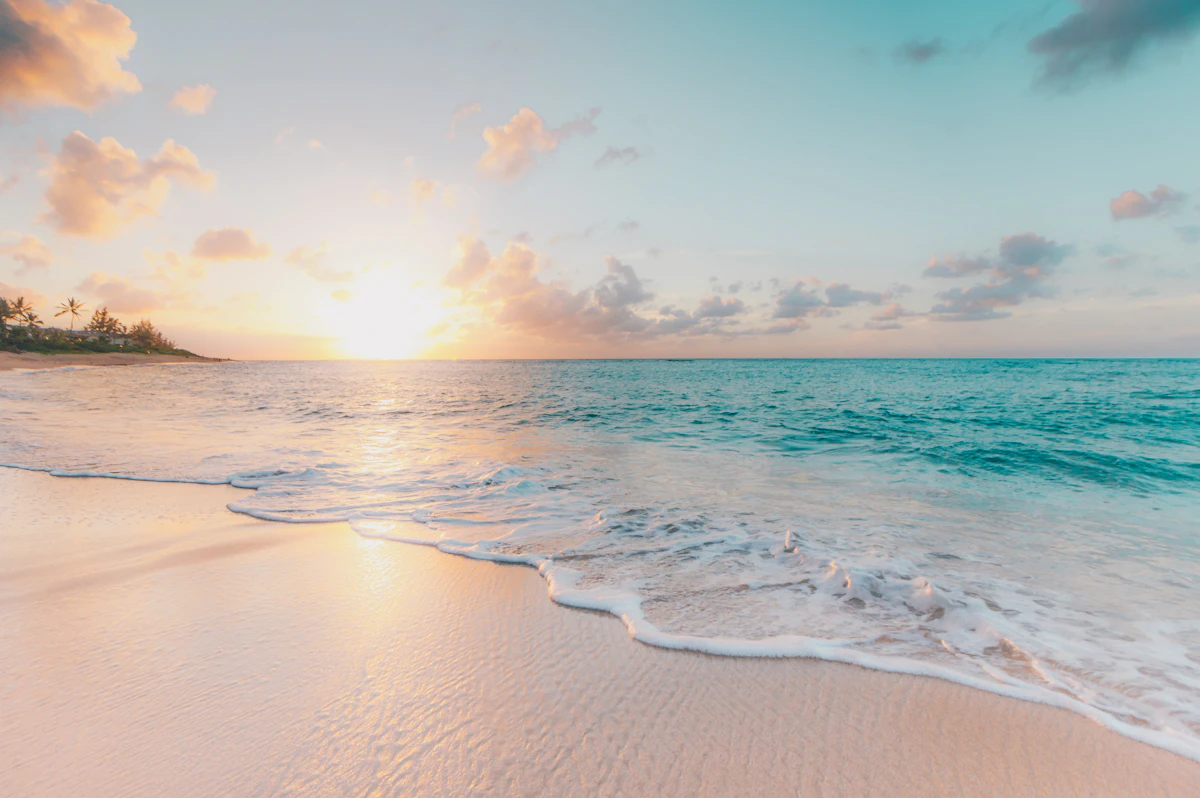
As the sun descends, people begin to gather along the rocky beach and the viewing areas above. Couples lean against the weathered railings. Photographers adjust tripods, chasing the perfect exposure. Then it happens—the sun touches the horizon and the entire western sky detonates in color. Oranges bleed to crimson, pink halos the clouds, and the ocean surface becomes molten. For perhaps fifteen minutes, Constitución's rugged coast is transformed into something almost unbearably beautiful, and you understand completely why this viewpoint earned its reputation, regardless of what you call it.


