
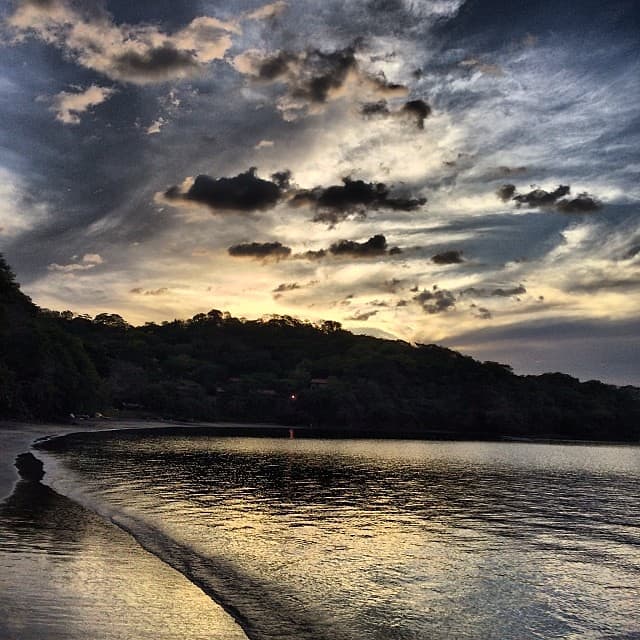
You'll arrive by panga or sailboat, cutting the engine as the cove comes into view—a horseshoe of volcanic rock draped in dry forest, sand beach no wider than a tennis court tucked at the water's edge. Anchor in five meters and you can watch your chain settle on the bottom through water so transparent it barely qualifies as a medium. Parrotfish graze the rocks in schools, their bodies flashing turquoise and pink as they turn. A white heron stalks the tide line, utterly unconcerned with your presence.
“Papagayo's most pristine snorkeling, accessible only by boat and better for it.”
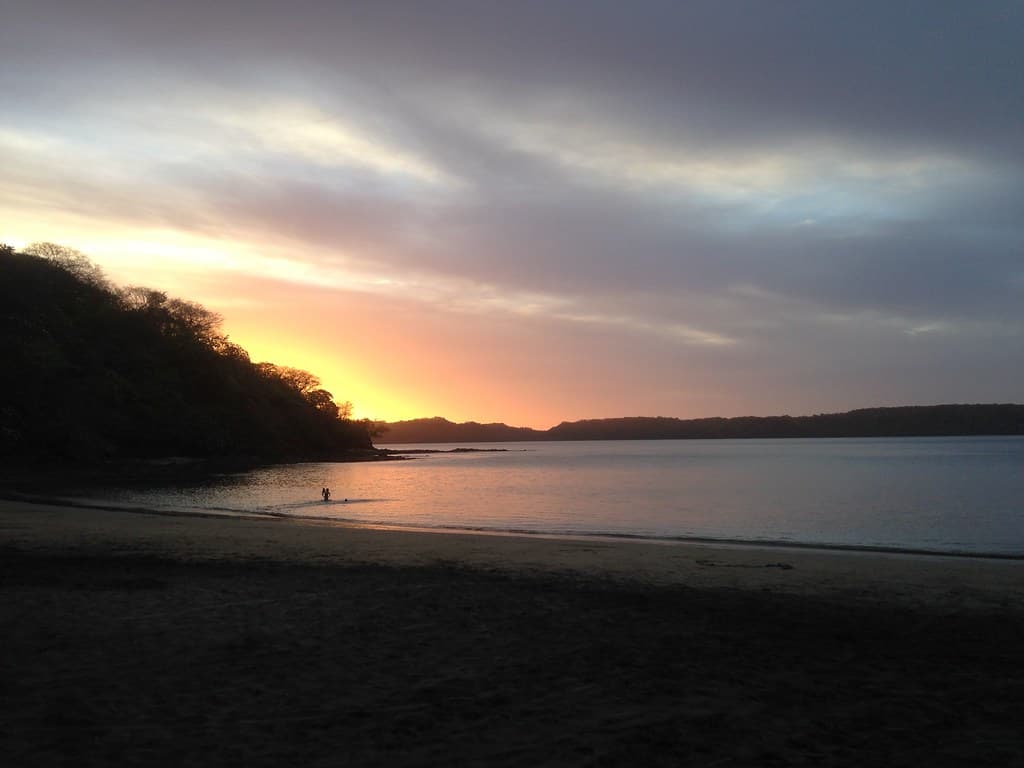 Credit: Flickr
Playa Huevos — photo by justinwdavis
The snorkeling delivers immediately: drop off the boat and you're hovering over boulders colonized by urchins and Christmas-tree worms, sergeant majors darting between crevices, pufferfish inflating half-heartedly when you drift too close. The rocky points on either side of the cove host bigger formations—swim around with a guide and you might spot octopus, moray eels tucked into holes, rays gliding over sand patches between the coral. Surface, and the only sound is water lapping against hulls and the occasional screech of a howler monkey from the canopy above.
Most boats anchor for an hour, maybe two—long enough to swim, snorkel, eat lunch on deck while the sun climbs overhead. The isolation is total but temporary. By mid-afternoon you'll motor back across Bahía Culebra, but the image stays locked: that impossible water, those silent cliffs, the sense of having visited somewhere still operating on geological time rather than tourist season.


