
Playa Barco Quebrado translates to 'broken boat beach,' named for wrecks that found their end on these rocks decades past. The name persists though the wood has long since dissolved into the Pacific. What remains is a shoreline that refuses the smooth crescent template—instead, volcanic shelves jut into the surf, fractured and barnacle-crusted, creating a geology lesson in erosion and wave action.
“The rocky tide-pool topography creates an exploratory beach experience unlike the sand-and-surf template of nearby coasts.”
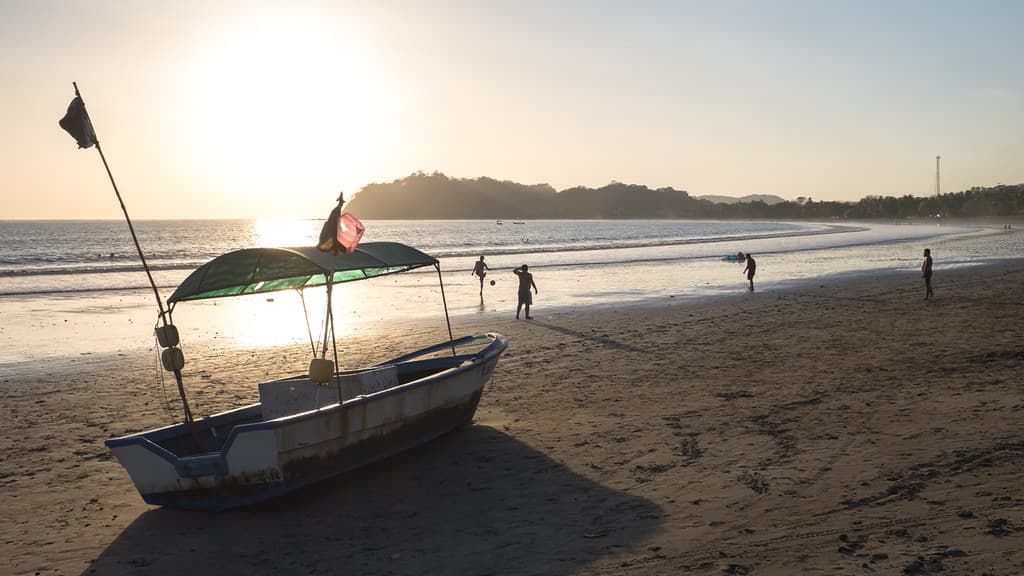 Credit: Flickr
Playa Barco Quebrado — photo by Christopher Crouzet
You'll navigate this beach on foot, picking routes between stone platforms where tide pools hold captive seas. Anemones pulse in the shallows, their tentacles waving in residual current. Hermit crabs drag commandeered shells across wet rock, retreating into crevices when your shadow crosses them. The actual sand exists in pockets between the stone, coarse and scattered with debris—bleached coral fragments, fishing floats escaped from nets, driftwood sculpted into abstract forms. Swimming here requires caution and local knowledge; currents run unpredictable around the rocky points, and the bottom drops away suddenly beyond the visible platforms.
The beach sees virtually no development—no signs directing you here, no facilities awaiting your arrival, no worn paths suggesting heavy traffic. What you find instead is the Guanacaste coast in its unedited state: functional, indifferent to your presence, beautiful in ways that don't translate to quick photos. Sunset turns the wet rocks into mirrors, reflecting amber light between the pools. This is beach as geological process rather than recreational space, best appreciated by those who find tide pools more compelling than beach chairs.


