
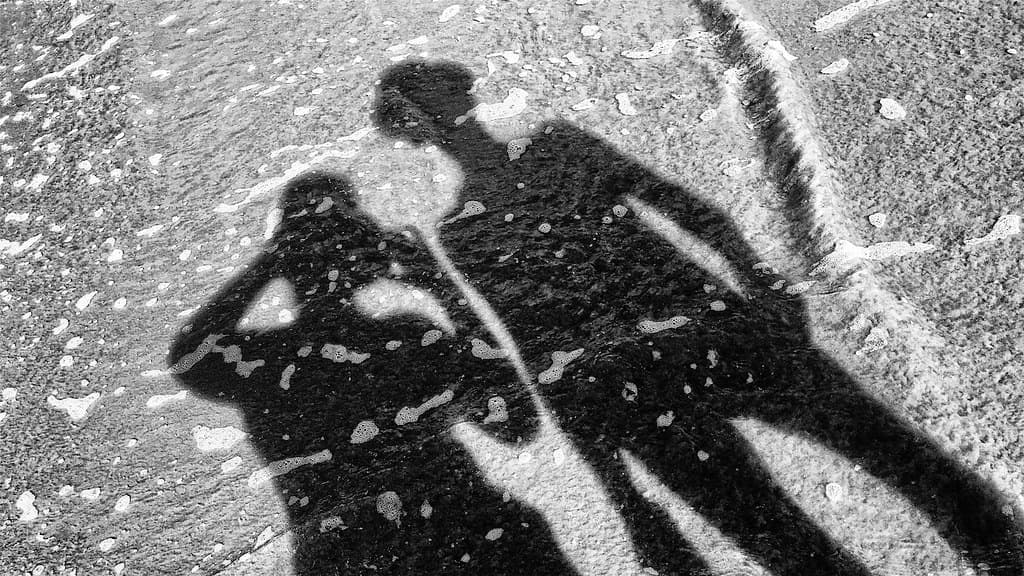
El Roble exists because of geological violence—volcanic rock shattered by tectonic movement created a narrow cleft where sand accumulated over centuries, forming a beach barely fifty meters long. The cliffs on either side rise twenty meters, dark stone columns streaked with mineral deposits and crusted with barnacles at the waterline. Access by land requires scrambling down a near-vertical path using roots and rock holds, which is why most visitors arrive by boat, timing their approach with the tide to avoid swells that surge into the pocket and rebound off the walls.
“A geological accident that created a beach in a place that shouldn't have one, accessible only to those willing to navigate by boat or risk a technical descent.”
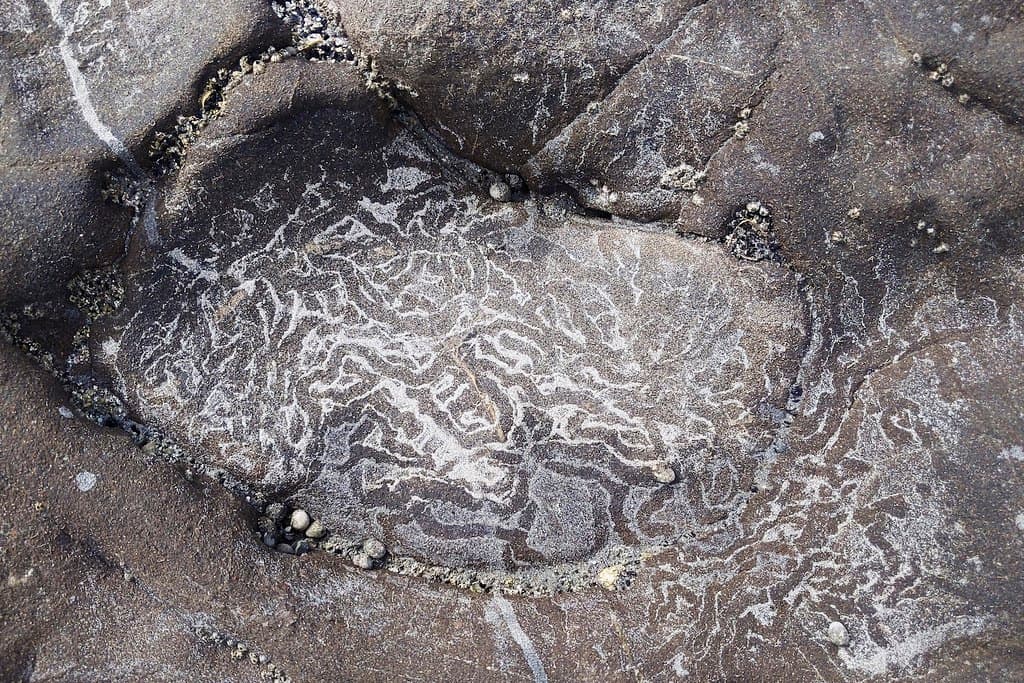 Credit: Flickr
Playa El Roble — photo by designwallah
The beach itself is coarse sand mixed with pebbles and fragments of volcanic glass worn smooth by wave action. At low tide, tide pools form in depressions in the rock platform, trapping octopus and moray eels. The water here churns white even on calm days, funneled through the narrow opening and compressed by the confined space. Swimming is possible but requires confidence—the current pulls hard, and the exit points are limited to a small sandy area that disappears at high tide.
Seabirds nest in the cliff face—brown boobies and magnificent frigatebirds occupy different elevations, their calls echoing off stone. You'll hear the sound of waves amplified by the confined space, a constant roar that makes conversation difficult. Late afternoon brings brief moments when the sun penetrates the gap between cliffs, illuminating the water in electric blue before shadow returns and the temperature drops sharply.


