
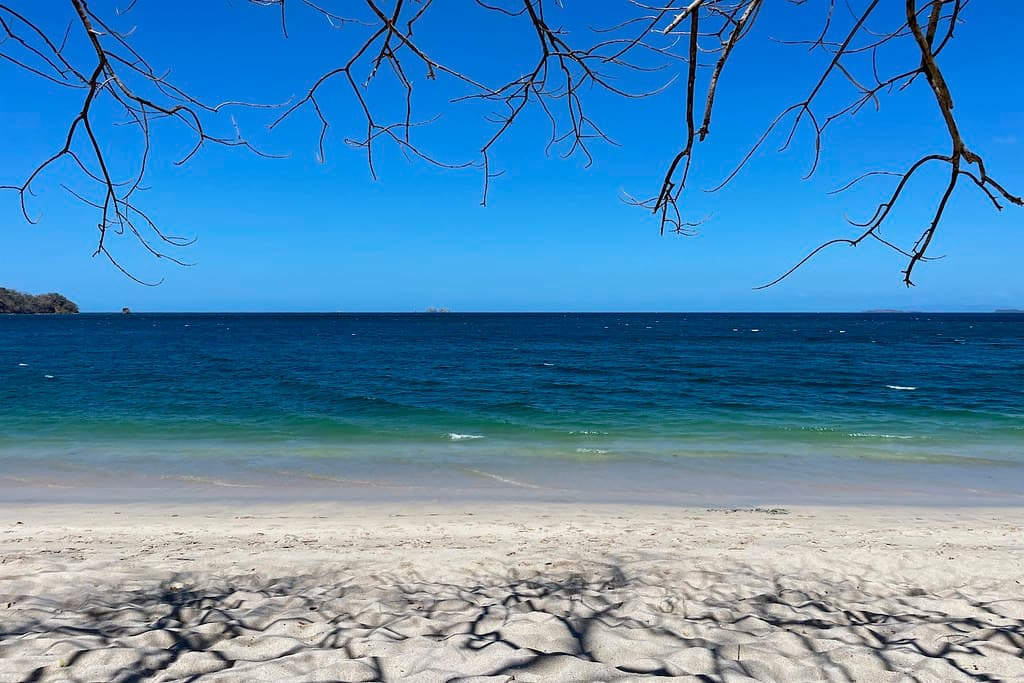
Playa Roble unfolds as a working beach first, a tourist destination second or perhaps not at all. The sand carries a coarse texture, individual grains visible and substantial rather than powdery, mixed with fragments of coral and volcanic minerals that give it a salt-and-pepper appearance. Almond trees lean seaward at improbable angles, their roots exposed by years of erosion, branches hung with drying fishing nets and the occasional hammock.
“It functions as Brasilito's communal backyard, offering unfiltered access to how coastal Ticos actually use their beaches beyond the tourist postcard version.”
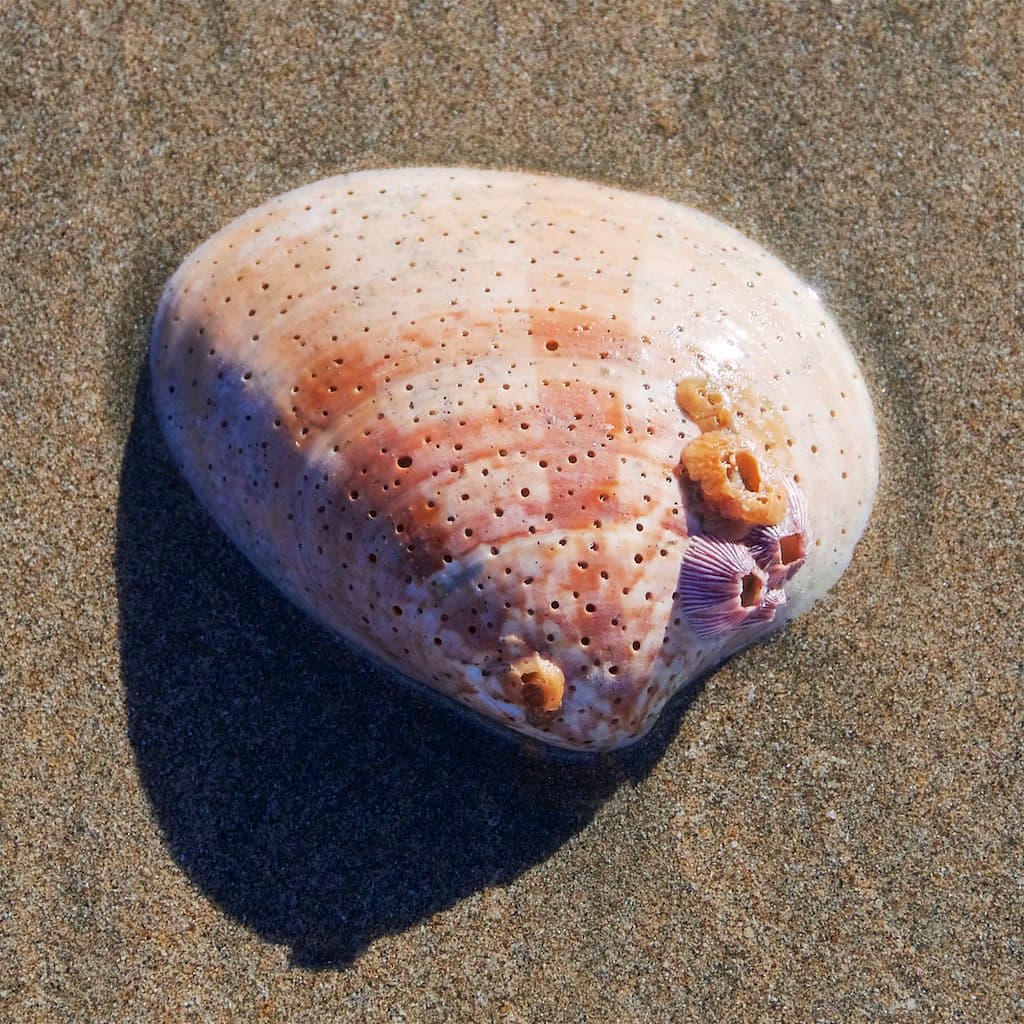 Credit: Flickr
Playa Roble — photo by designwallah
The water enters gently here, the seafloor sloping so gradually that even at high tide you can walk out thirty meters before needing to swim. Local dogs patrol the wrack line each morning, nosing through kelp tangles for anything edible, their tracks joining those of ghost crabs and sanderlings. By mid-morning, fishing pangas return and beach themselves sideways to the surf, captains tossing the morning's catch into blue plastic totes while pelicans loiter nearby, opportunistic and patient.
Sunset brings the village to the sand. Teenagers organize impromptu soccer matches, using driftwood as goalposts. Vendors push carts selling cas juice and mangoes sprinkled with chile and lime. The sun descends behind a headland to the north, casting the beach into soft shadow while the sky above continues blazing orange and pink. As darkness settles, the beach empties except for courting couples walking the tide line and the steady pulse of waves arriving from thousands of miles of open Pacific.


