
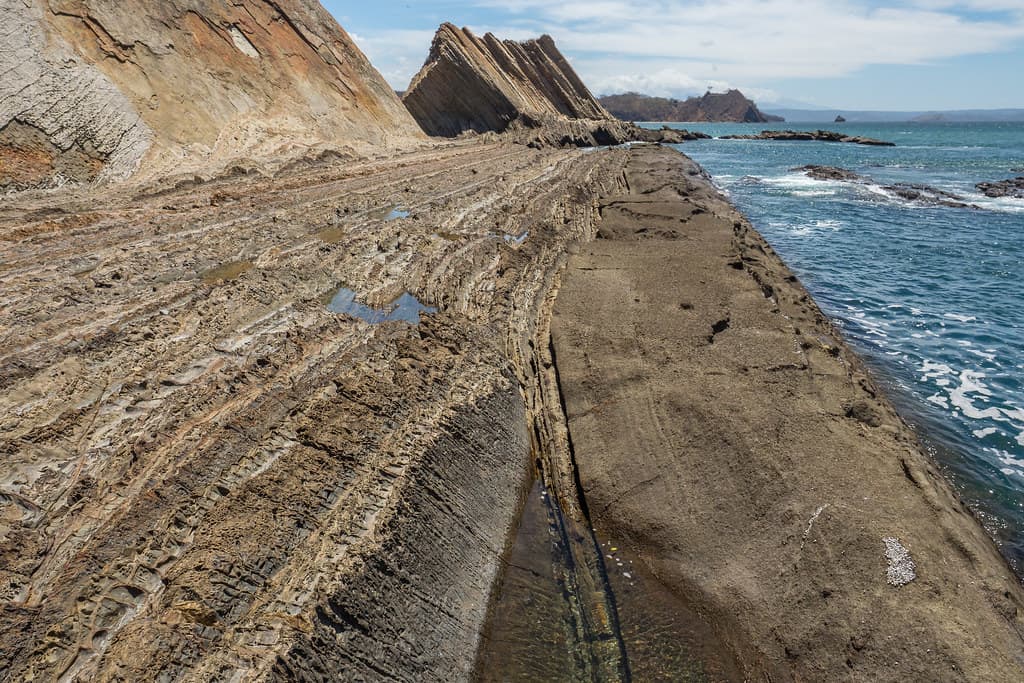
You reach Jobo Norte by ignoring the main beach access and following a rutted track that winds past a few houses with clotheslines snapping in the breeze. The cove reveals itself gradually: first the sound of smaller surf, then the sight of tamarind branches arching over sand, finally the crescent itself, cupped between headlands dark with volcanic stone. A handful of fishing pangas rest above the high-tide line, their paint faded to pastels by salt and sun.
“The cove's protected curve and shallow waters create ideal conditions for wading and floating without ocean intensity.”
 Credit: Flickr
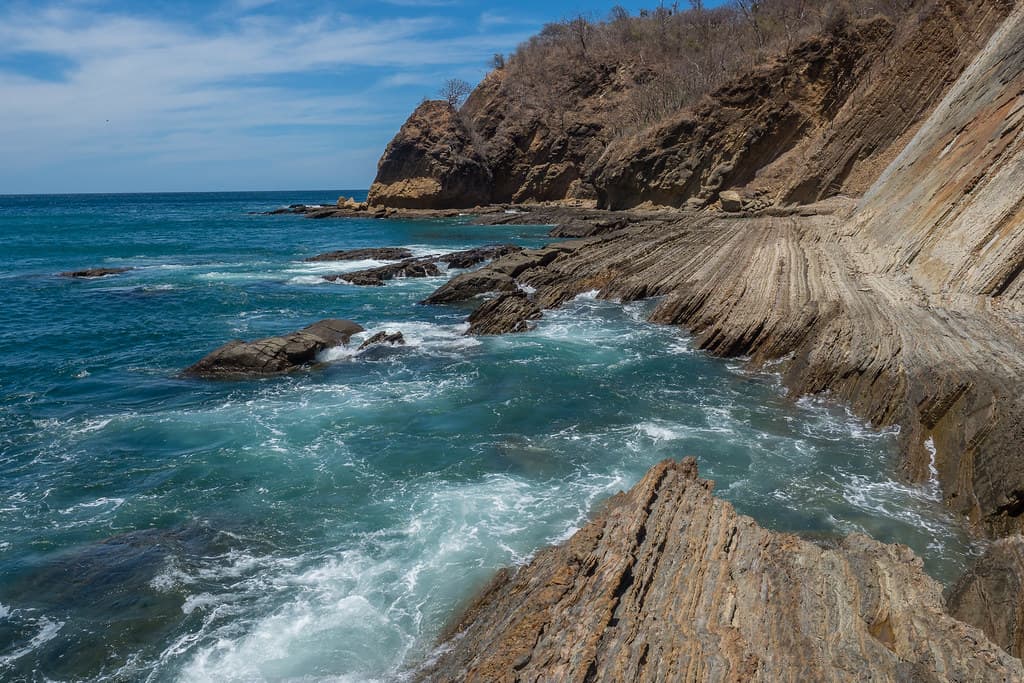
Playa Jobo Norte — photo by alschim
The water here is shallower and calmer than the exposed beaches to the south, protected enough that you can wade out fifty meters and still touch bottom. Patches of rock and coral break the surface at low tide, creating lanes of turquoise and navy where the depth shifts. Small fish—needlefish, jacks—cruise the shallows, and pelicans fold their wings to plunge with startling precision just past the gentle shore break. The sand holds scattered shells, whole and unbroken, unlike the pulverized fragments common on wave-battered coasts.
Tamarind trees line the back of the beach, their feathery canopies providing the kind of dappled shade that invites long siestas in a hammock. The breeze funnels through the cove's opening, bringing relief even at midday, and you'll hear the clack of palm fronds mixing with the softer rhythm of wavelets. A few local kids might appear in the afternoon, splashing in the shallows, but most hours you'll share the space only with herons stalking the tideline.


