
Playa Guiones unfolds northward like a geographical statement, the sand running uninterrupted for seven kilometers between the Nosara river mouth and Montana's rocky point. The beach itself stretches perhaps seventy meters wide at mid-tide, a vast apron of taupe sand scattered with driftwood sculptures and punctuated by tidal pools. Multiple peaks break along its length, the sandbars shifting with each new swell but generally maintaining rideable form year-round.
“Its seven-kilometer expanse and consistent sandbars create a wave-rich environment that distributes crowds naturally, offering solitude despite popularity.”
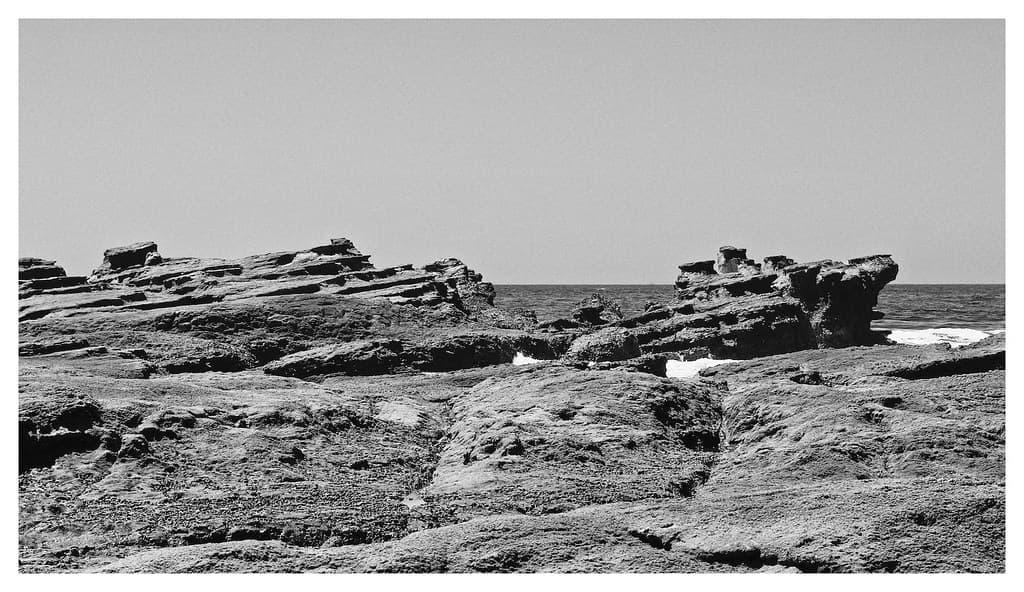 Credit: Flickr
Playa Guiones — photo by designwallah
The waves here favor democracy over difficulty—gentle enough for first-timers at inside reforms, powerful enough at the outer peaks to satisfy intermediate surfers hunting longer rides. Dawn brings glassy conditions and the best chance of uncrowded lineups, though even midday crowds disperse across the beach's length. Between the surf and the vegetation line, the sand hosts a rotating gallery of yoga practitioners, families building elaborate castles, and dogs sprinting after tennis balls with unsustainable enthusiasm.
Sunset transforms the beach into a social hub. Surfers emerge from final sessions, boardshorts dripping, hair stiff with salt. Vendors appear with coolers of mango and pineapple spears. The horizon becomes a study in graduated color—turquoise near shore bleeding to cobalt, then violet where sky meets ocean. As darkness arrives, bioluminescence sometimes sparks in the shorebreak, each collapsing wave trailing green fire. The beach empties slowly, reluctantly, as if no one truly wants to leave.


