
You reach Ponies by cutting through a gap in the coastal scrub or walking south along the beach from the main Guiones access, passing tide pools and volcanic shelves slick with algae. The sand transitions from the trampled beige of the tourist zone to a quieter, shell-flecked expanse where your footprints are the first of the day. The surf still breaks here—peaky, shifty beachbreak that holds shape on smaller swells—but the crowd density drops to a handful of locals and the occasional yoga instructor on a rest day.
“It offers the same swell window as famous Guiones but filters out the surf school overflow, creating a quieter, more local vibe.”
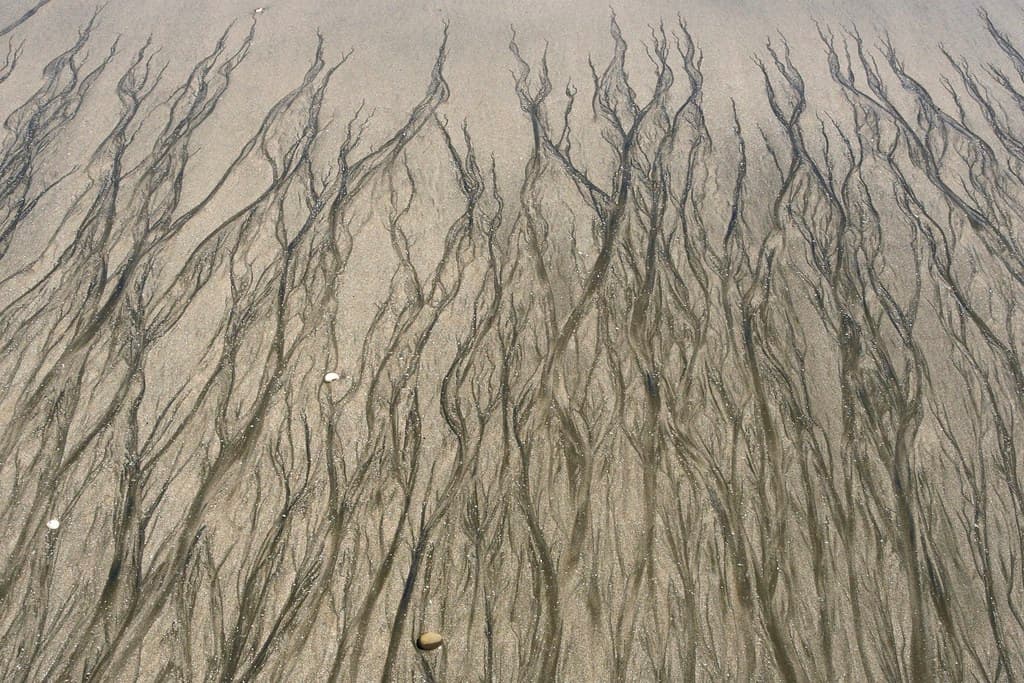 Credit: Flickr
Playa Ponies — photo by designwallah
Morning light slants low across the water, backlighting the spray from each breaking wave and turning the wet sand into hammered bronze. Howler monkeys bellow from the trees behind the beach, an alarm clock you can't snooze. A few weathered beach chairs lean against driftwood logs, left there by regulars who know which tides bring the best sandbars. Between sets, pelicans patrol the shorebreak in formation, and frigatebirds hang motionless on updrafts, wings spread like black kites.
By late afternoon the wind goes offshore briefly, grooming the swell into clean lines before the evening glass-off. A handful of surfers paddle out, trading waves without the territorial vibe that infects busier breaks. The sunsets here lack the drama of headland views—just a slow fade into pastel—but the absence of crowds makes them feel personal. You linger until the stars emerge, then walk back toward the glow of Guiones, salted and satisfied.


