
The sand stretches in both directions farther than you can walk in an afternoon, a wide swath of beige that darkens to copper when the tide pulls back. Local fishermen haul in their pangas each morning, sometimes offering dorado and snapper for sale right there on the beach. You'll notice the absence of beach clubs, selfie stations, and rental umbrellas lined up like soldiers—just driftwood logs bleached silver by salt and sun, natural seating for the handful of visitors who've made the bumpy drive.
“One of the last undeveloped long beaches in Guanacaste where you can still buy fish directly from fishermen on the sand.”
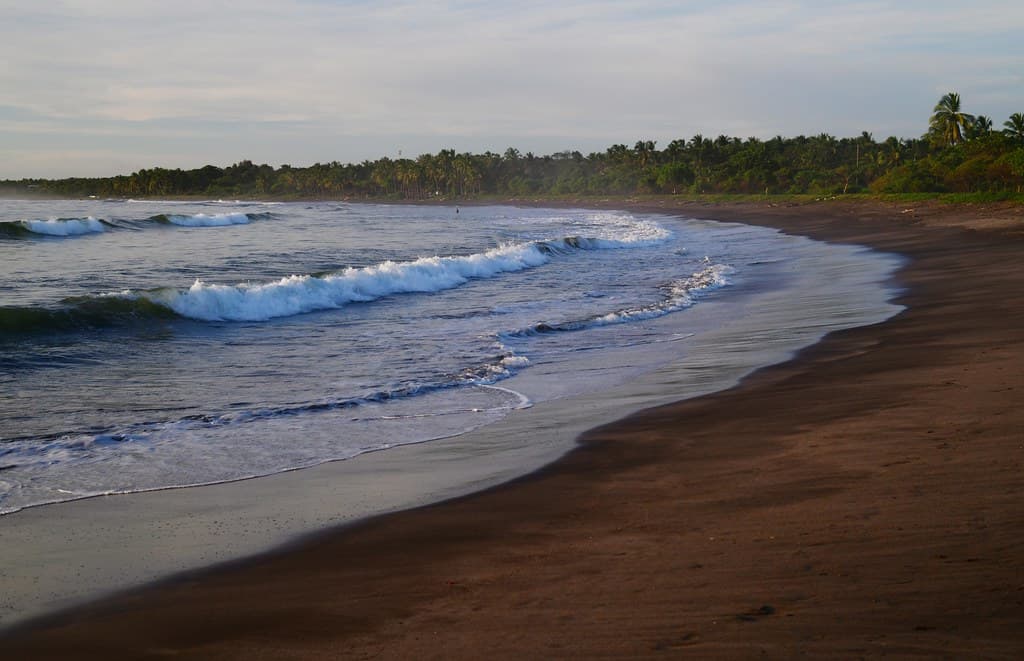 Credit: Flickr
Playa Junquillal — photo by orientalizing
The surf here rolls in with enough muscle to keep bodyboarders entertained but won't punish beginners who misjudge a wave. Tide pools collect in the volcanic rock outcrops at the southern end, where hermit crabs shuffle between algae-slicked stones and small fish dart through ankle-deep water. By four o'clock, the light turns honeyed, and you'll understand why the few families who live nearby time their evening walks to coincide with sunset.
The village itself consists of a handful of sodas, a small market, and lodges that feel more like guesthouses than resorts. You'll eat rice and beans prepared by someone's grandmother, sleep to the rhythm of waves instead of air conditioning, and wake to howler monkeys announcing dawn from the trees behind your cabin. This is Guanacaste before the developers arrived.


