

La Pita occupies the ecological and cultural margin—too far from Carrillo's tourist infrastructure to attract resort crowds, too close to Camaronal's protected nesting beaches to allow development. The result is a narrow band of sand backed by coastal scrub and the occasional wooden house, weathered gray by salt and sun. Fishing pangas rest above the high-tide line, their paint faded to pastels, nets spread for mending.
“A nesting corridor where sea turtle conservation intersects with daily fishing routines, creating a beach that serves both ecological and economic functions.”
 Credit: Unsplash
Aerial view of turquoise tropical bay
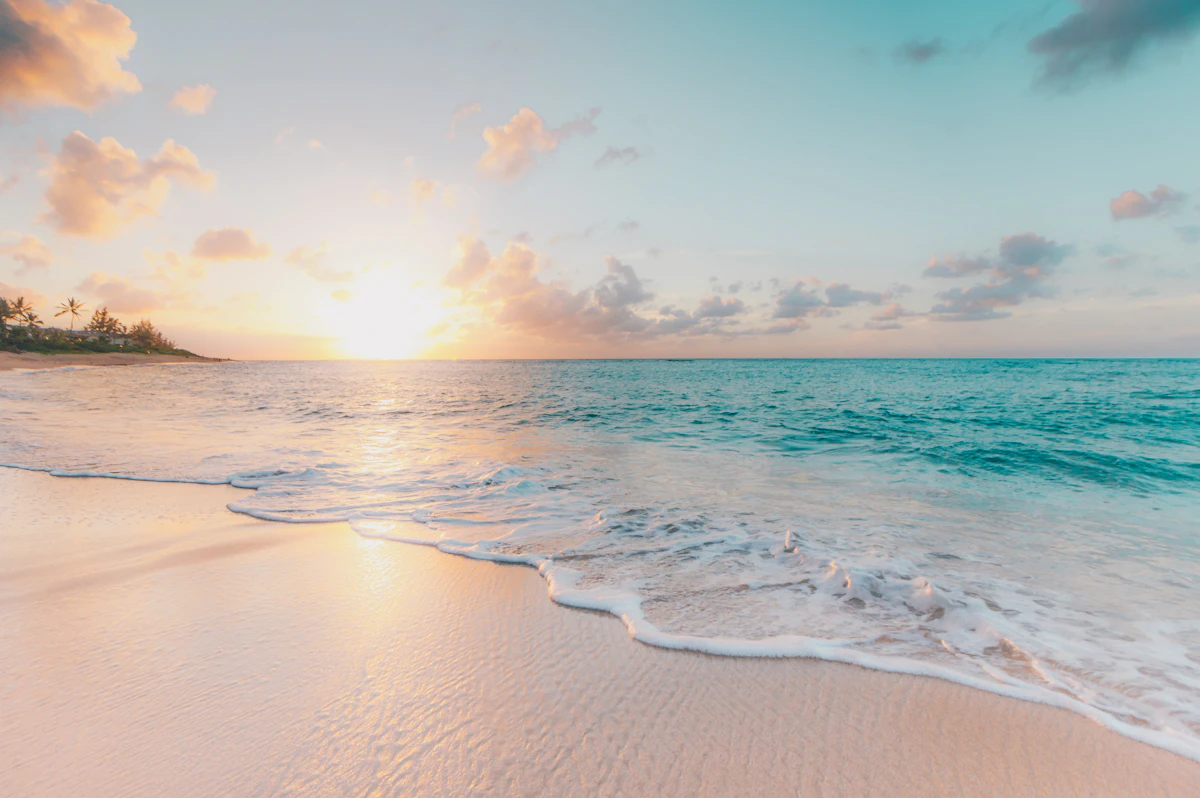
The shore here slopes gradually, creating shallow water that extends fifty meters out before deepening. Sandbars shift with storms, forming temporary lagoons where warm water pools and small fish gather, pursued by diving terns. During nesting season—September through November—you'll see turtle tracks leading from surf to dune, parallel grooves in the sand like tractor treads, ending at excavated pits where leatherbacks and olive ridleys deposit eggs before returning to the ocean.
Mornings bring local women searching for pianguas—mangrove clams buried in the sand near the creek mouth. They work methodically, reading the beach for telltale breathing holes, digging with their hands and dropping clams into mesh bags. By midday the heat drives everyone into shade, and the beach empties except for vultures picking through seaweed and ghost crabs emerging from their burrows to scavenge.


