
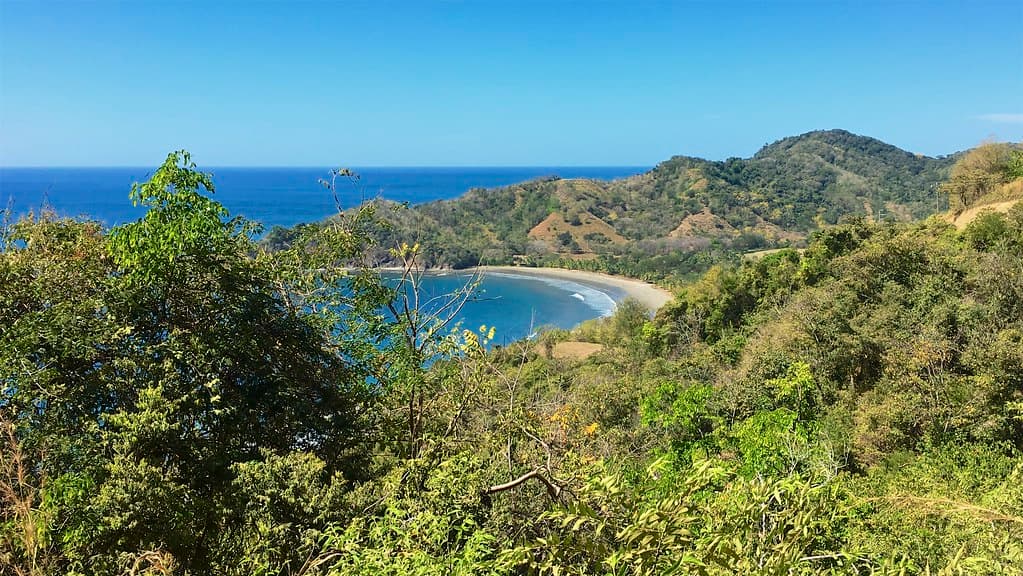
You'll either hike the goat trail over the southern point at low tide or convince a fisherman in Islita to drop you by panga. Either way, arrival feels like trespassing on a secret. Playa Pilas occupies a scallop in the coastline, hemmed by dark rock on both sides and open to the southwest swell. The sand here is peppered with shell fragments and stone, and the beach is narrow—twenty paces from treeline to water at high tide.
“The only cove near Islita that requires a scramble or a boat, ensuring you'll likely have it to yourself even in high season.”
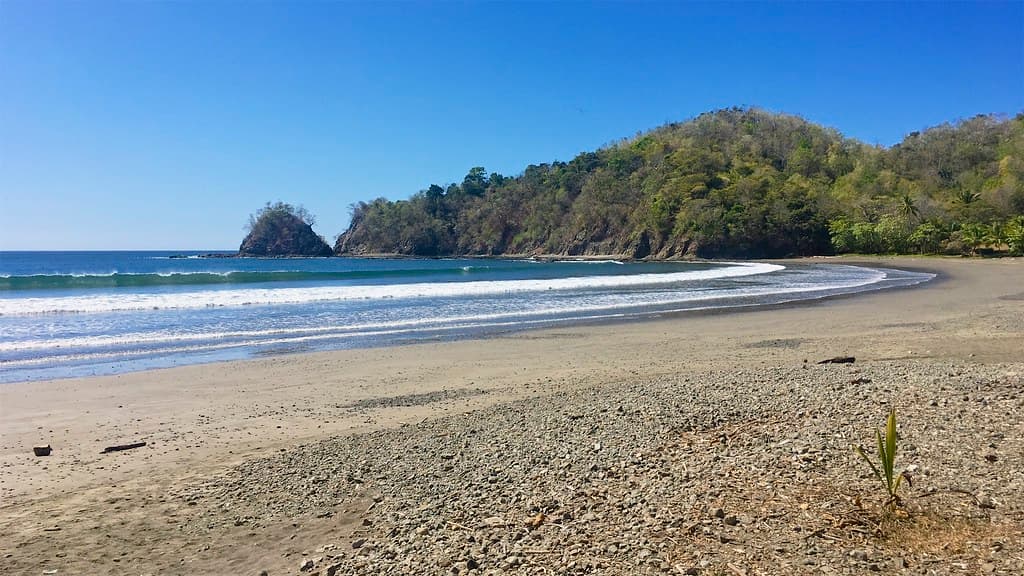 Credit: Flickr
Playa Pilas — photo by designwallah
The rocks steal the show. Tide pools pock the shelves at either end of the cove, filled with urchins, anemones, and the occasional octopus flexing its way between crevices. Herons work the shallows at dawn, spearing breakfast with the precision of surgeons. The water is too rough for casual swimming most days, but snorkeling the rock line on a calm morning reveals schools of snapper and parrotfish bulldozing algae off the stone.
There's no trail maintenance, no signage, no beach bar. Playa Pilas exists because the topography allowed it, and it remains quiet because access requires intent. You'll pack in what you need and pack out what you bring. The reward is a cove that feels like yours alone, a place where the discovery is the point and the beach itself is simply the stage.


