
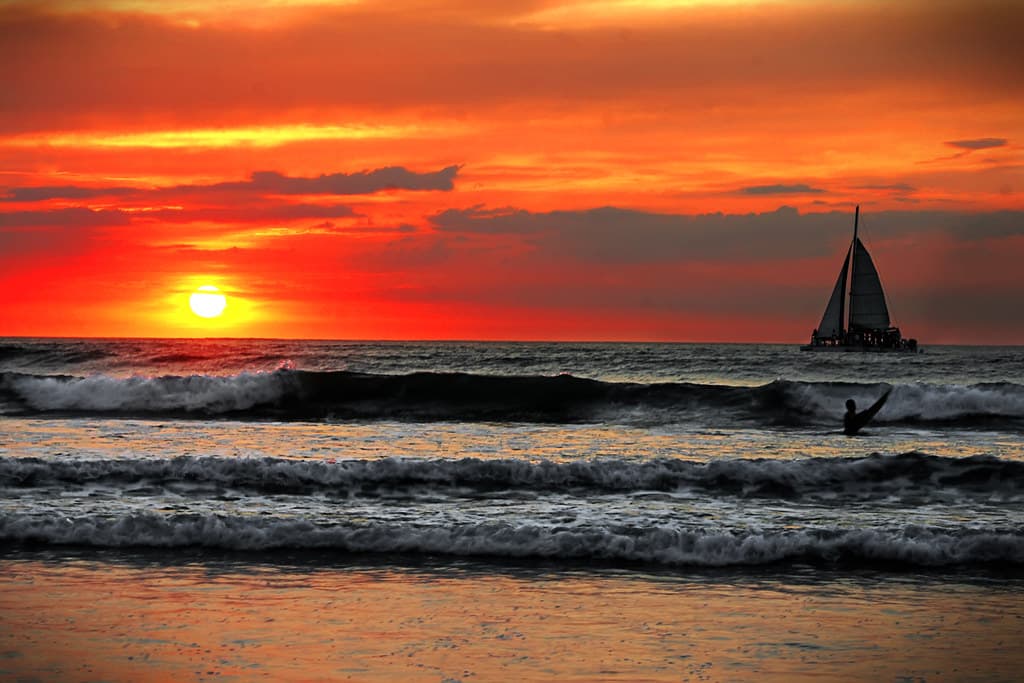
The beach runs long and straight, backed by a scrubby fringe of acacia and beach morning glory that blooms purple in the wet season. The sand is fine and pale, almost powdery in the dry months, and the shorebreak is mild—thigh-high waves that fold over lazily, more invitation than threat. You'll see horse tracks, dog prints, the occasional bootprint from a jogger out of San Miguel, but rarely another towel within shouting distance.
“The nameless-feeling stretch of coast that locals use as a shortcut and couples discover when they've run out of official beaches to visit.”
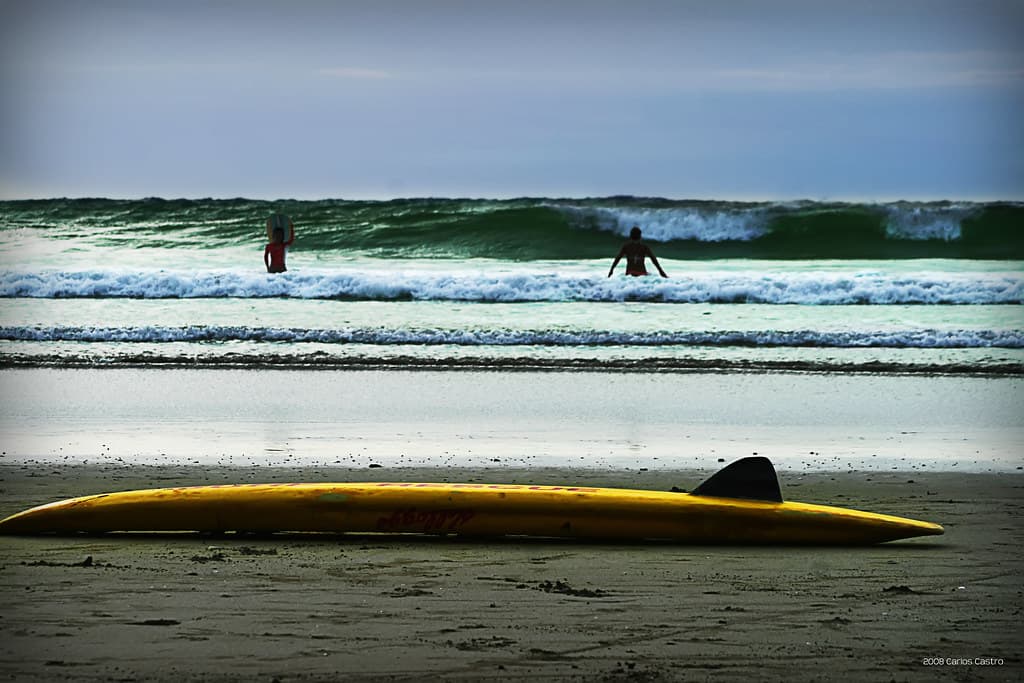 Credit: Flickr
Playa Costa de Oro — photo by Carlos.Castro
There's no development to speak of—a few houses set back in the trees, a dirt track that parallels the beach a hundred meters inland, nothing approaching a boardwalk or beach club. At low tide, tide pools form in the depressions between sandbars, warm and shallow enough for kids to crouch in and hunt for hermit crabs. Pelicans fish the surf line in formation, diving in ragged sequence, and frigates ride the updrafts above the treeline, waiting for scraps.
Costa de Oro exists in the gaps—between the fishing culture of San Miguel and the low-key tourist trickle at Coyote, between morning and evening, between the wet season's drama and the dry season's stillness. It's a beach that rewards aimlessness: park where the road meets the sand, walk until you feel like stopping, and let the Pacific set the tempo. No agenda required, no agenda rewarded.


