Counting the waves…
Counting the waves…
A refined fusion of water purity, environmental stability, and communal vibrancy for Playa Vargas Norte.
View MethodologyAnalyzed via live sensors and environmental data.
Wave height, wind, and atmospheric stability.
Live footfall and crowd balance metrics.
Community reviews and curated sentiment.
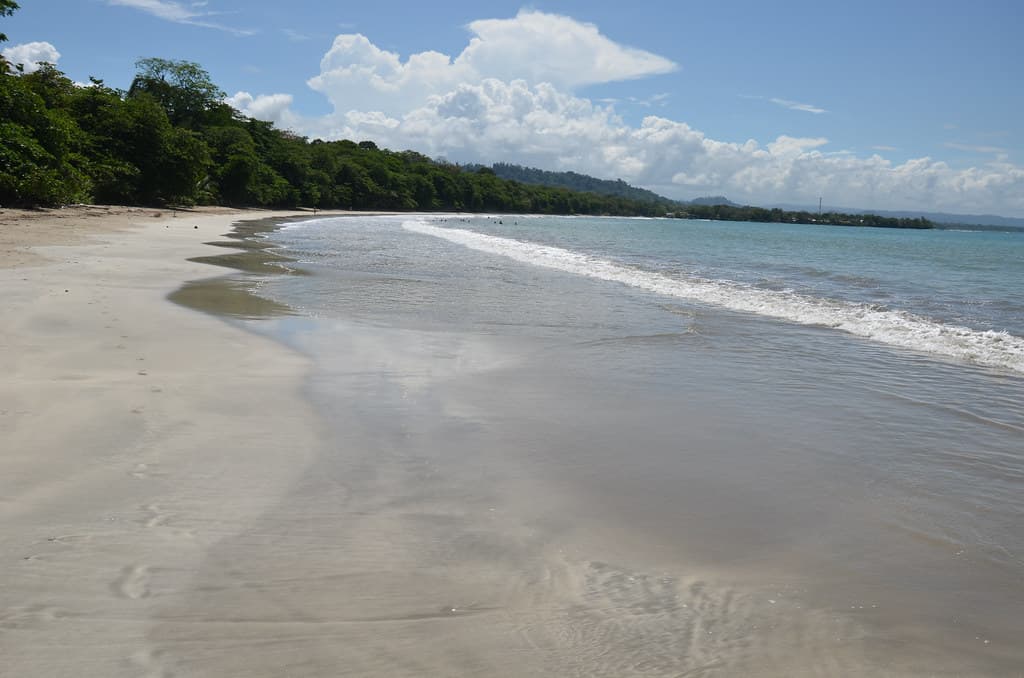
“Just beyond Puerto Vargas, where the paved park road surrenders to sand, the beach stretches pale and unmarked. The jungle presses close enough that you can hear three-wattled bellbirds in the canopy while you float…”
Limited recent visitor reports — live OBI telemetry is your best guide for current conditions.
The national park's official beaches draw the tour buses, but Vargas Norte occupies the transitional zone where crowds thin and the forest reasserts its claim. The sand here runs lighter than Cahuita's signature black, more beige and shell-flecked, soft enough to walk barefoot without wincing. Palms lean at unlikely angles, their roots exposed by years of tides, creating sculptural arches that frame the water. Hermit crabs navigate the wrack line. Iguanas sun themselves on driftwood logs, unbothered by your presence.
The reef begins fifty meters offshore, close enough to reach with mask and fins in five minutes of easy kicking. Underwater, the coral formations rise in bulbous towers and branching staghorns, pastel against the sandy bottom. Parrotfish graze, their beaks clacking against stone. A hawksbill turtle might drift past, ancient and unconcerned, paddling toward deeper water. The visibility shifts with the current—sometimes twenty feet, sometimes sixty—but even on cloudy days the reef pulses with life: damselfish defending territories, angelfish browsing, the occasional nurse shark sleeping beneath a ledge.
Crystal lagoon with rocky outcrop
White cliffs over a desert beach
Brain coral and blue tangs
Gradual slope, calm conditions
Capuchins and bellbirds overhead
Prime Visitation
Less Crowds|Best Weather
Where it is
Playa Vargas Norte
Cahuita, Limón Province, Costa Rica
9.749800°, -82.800400°
Weather
Loading…
Swell
—
Temp
Warm · Restorative
UV Index
Moderate
Wind
—
Tidal State
Last known
Max Sunlight
—
Ideal Shade
—
Jan - Dec (Peak)
May - Nov (Off-season)
Less Crowds|Best Weather
Select a category to load nearby places.
Unlock restaurants, luxury stays and curated maritime experiences within 2km
Playa Vargas Norte is within or adjacent to Cahuita National Park, where coral reefs create snorkeling opportunities but also require caution. Swimming conditions are generally calmer than open ocean beaches, especially near the reef-protected areas. However, currents exist and there are no lifeguards. The beach's national park setting means more pristine conditions but fewer safety services. For snorkeling, stay near shore, watch for boats, and never touch coral. Conditions vary with weather, so assess before entering the water.
February through April typically offer the best weather with less rainfall and clearer water for snorkeling. September and October are generally wettest. The 'less crowds' tag means this northern stretch sees lighter traffic than the more accessible southern sections of Cahuita National Park. Weekday visits during dry season provide optimal conditions with minimal crowds. Water visibility for snorkeling is best during calmer weather. Early mornings often offer the calmest seas and best wildlife viewing opportunities in the surrounding national park.
Access typically involves entering Cahuita National Park through the Puerto Vargas entrance, located south of Cahuita village. A small entrance fee or donation may apply. From the entrance, trails lead to various beach sections, with Playa Vargas Norte being along the northern stretches. The walk through jungle trails is part of the experience. Alternatively, some sections might be accessible via beach walking from other points. Bring good walking shoes, water, and sun protection for the hike through the national park.
Being within or adjacent to the national park, the beach itself has no commercial facilities—pack all food, water, and supplies. Cahuita village, a few kilometres north, offers diverse accommodation from budget hostels to comfortable cabinas and small hotels. The town has numerous restaurants serving Caribbean cuisine, fresh fish, vegetarian fare, and international options. Most are casual, locally-owned establishments. After your beach visit, Cahuita provides all necessary amenities while maintaining its small-town, laid-back Caribbean atmosphere.
Its location in the less-visited northern section of the Cahuita National Park area means lighter foot traffic and more pristine natural surroundings compared to the popular southern beaches. The combination of beach, jungle, and coral reef ecosystems creates exceptional biodiversity. Snorkeling opportunities with national park scenery distinguish it from non-protected beaches. Wildlife sightings including sloths, monkeys, and tropical birds are common. The low-profile nature means those who make the effort are rewarded with a more exclusive, nature-focused beach experience.
Photos